
Last updated November 21, 2026
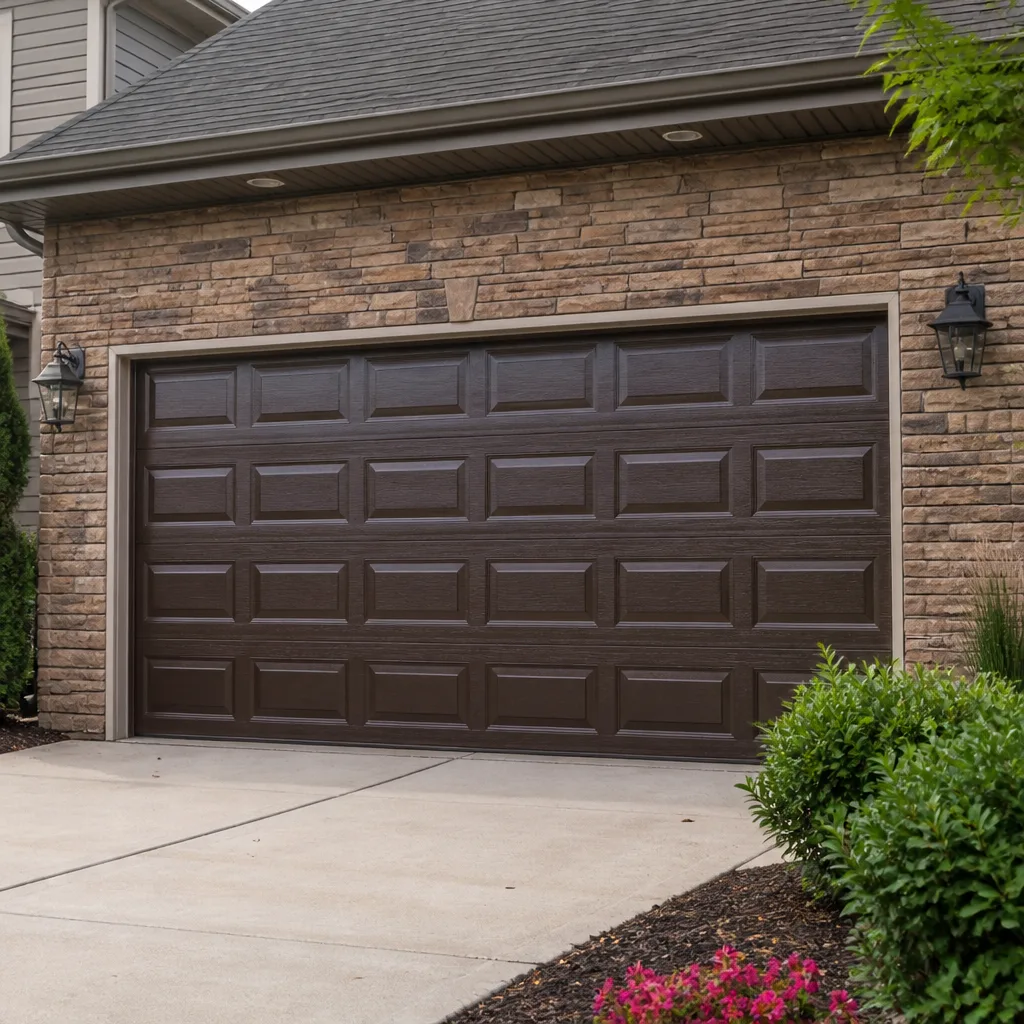 Raised-panel steel
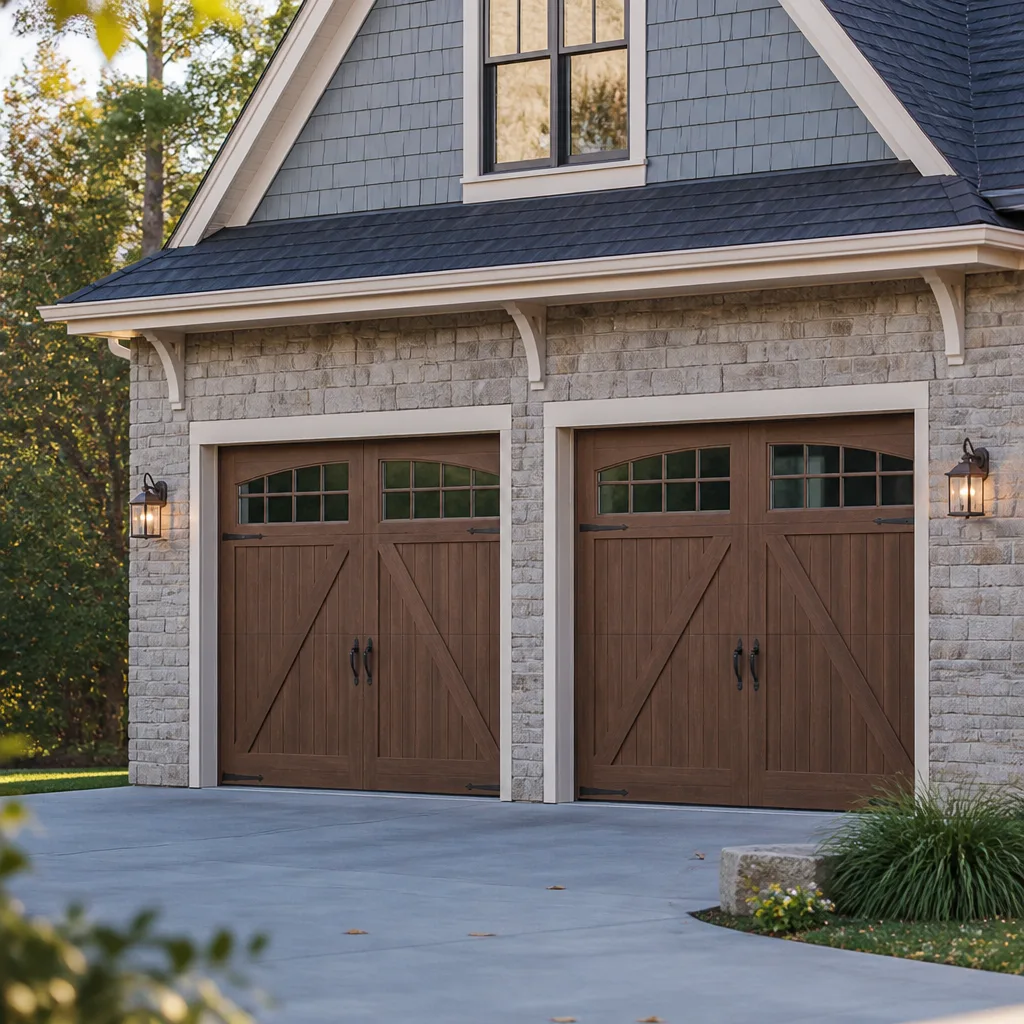 Carriage house
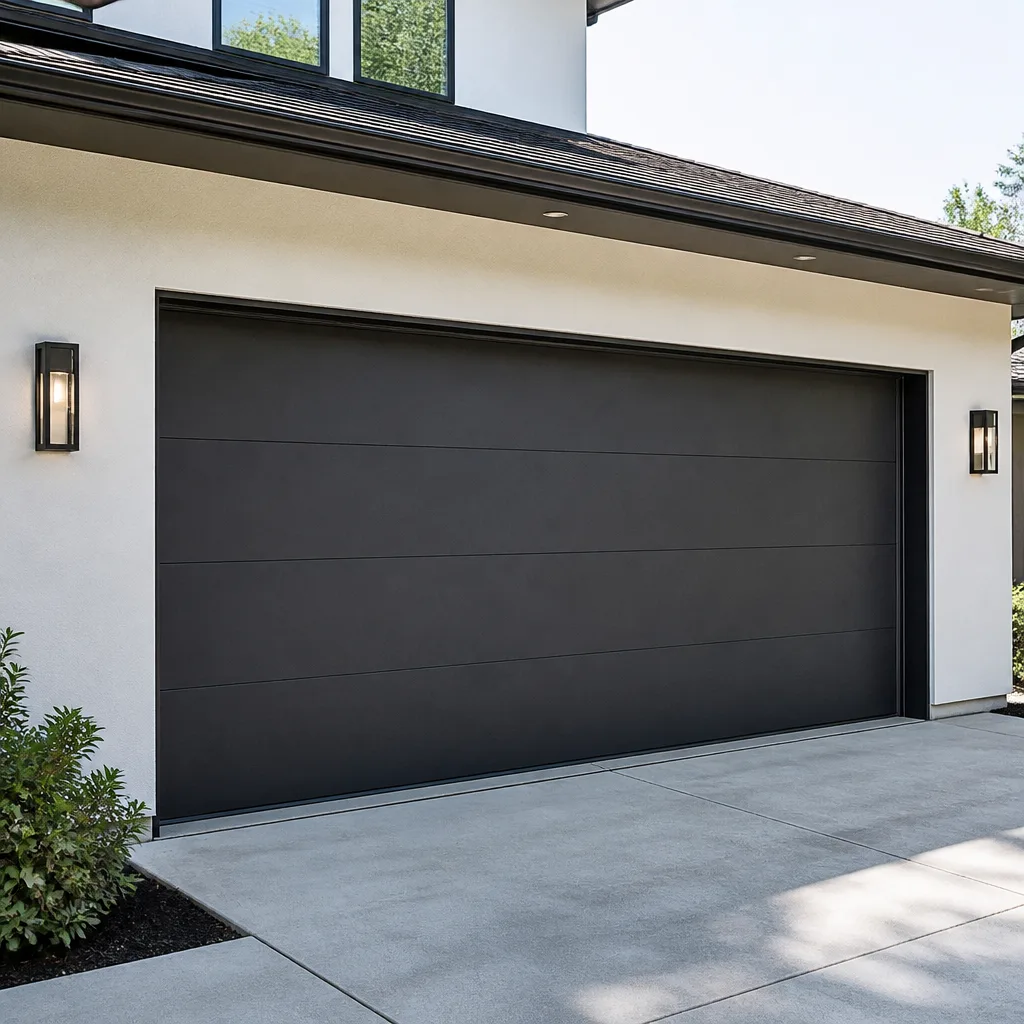 Modern flush
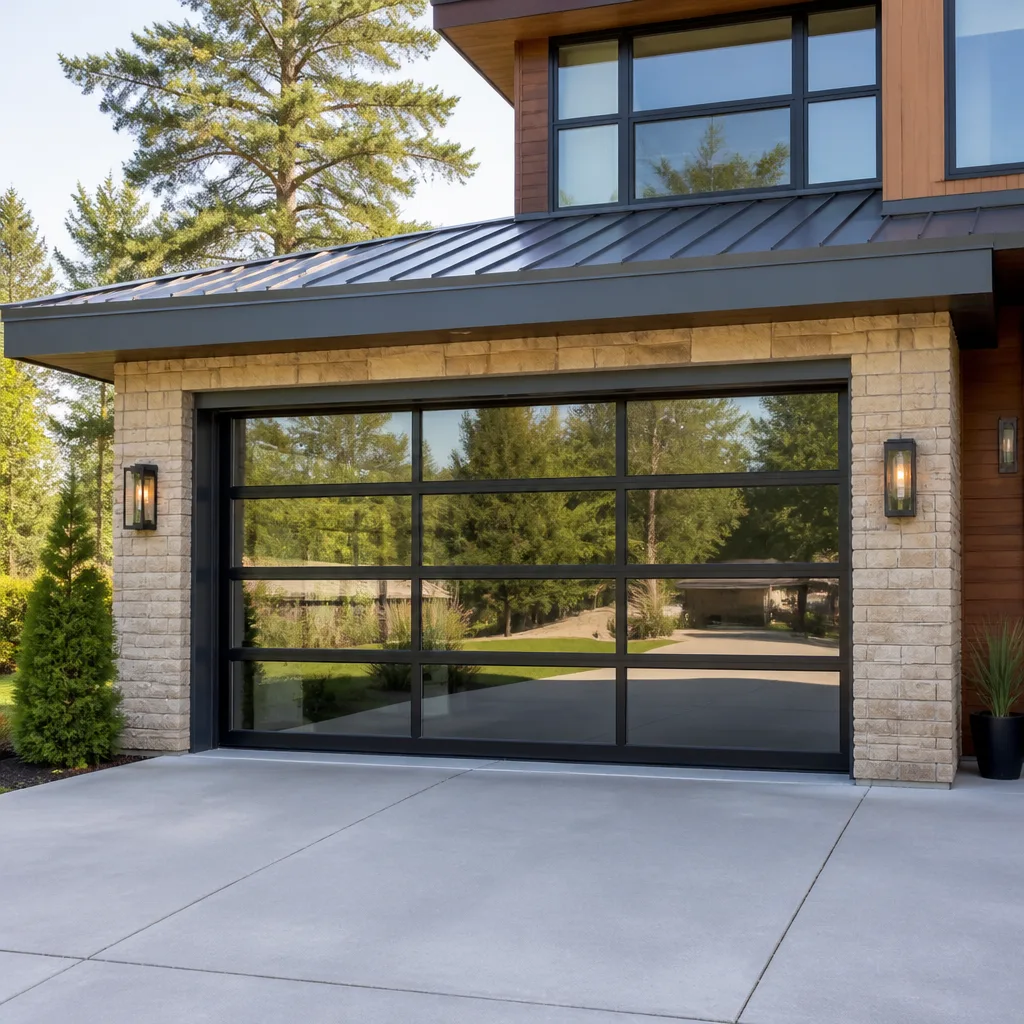 Full-view glass
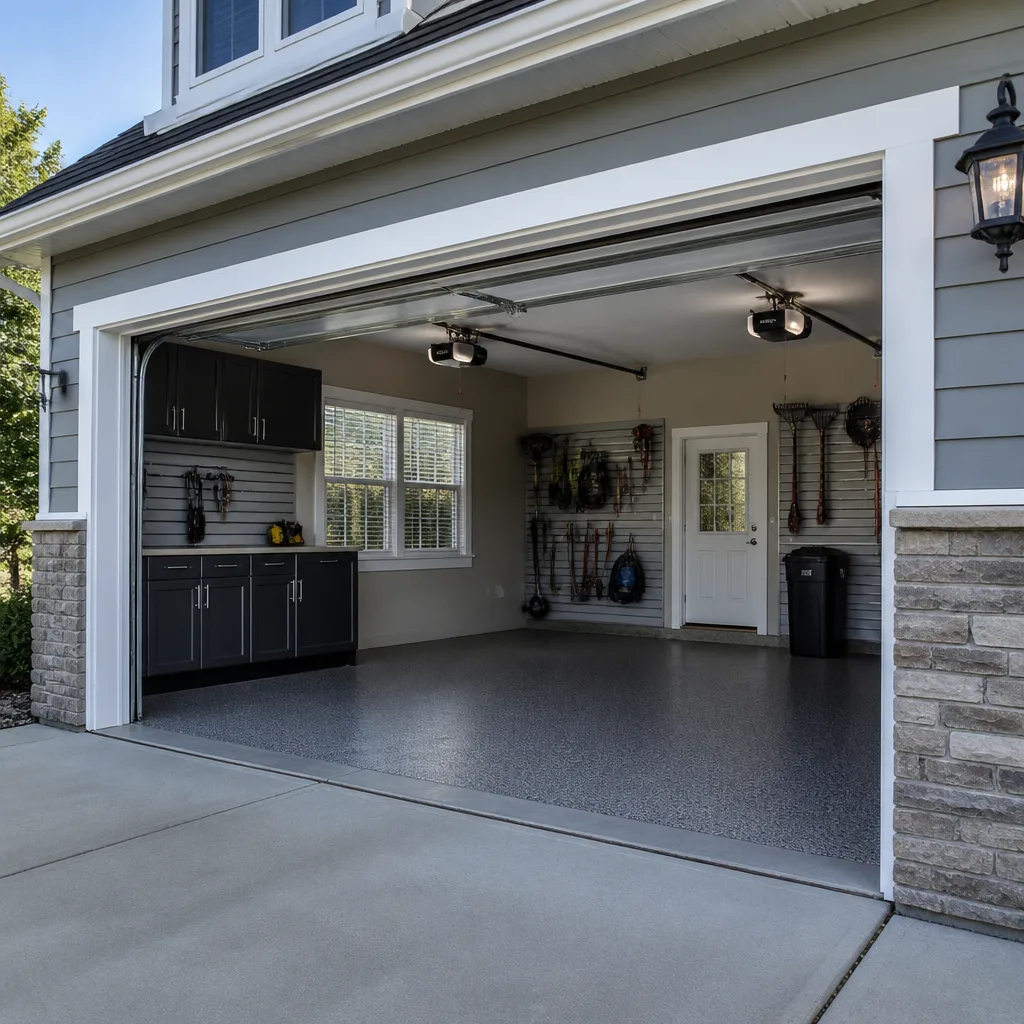 LiftMaster openers
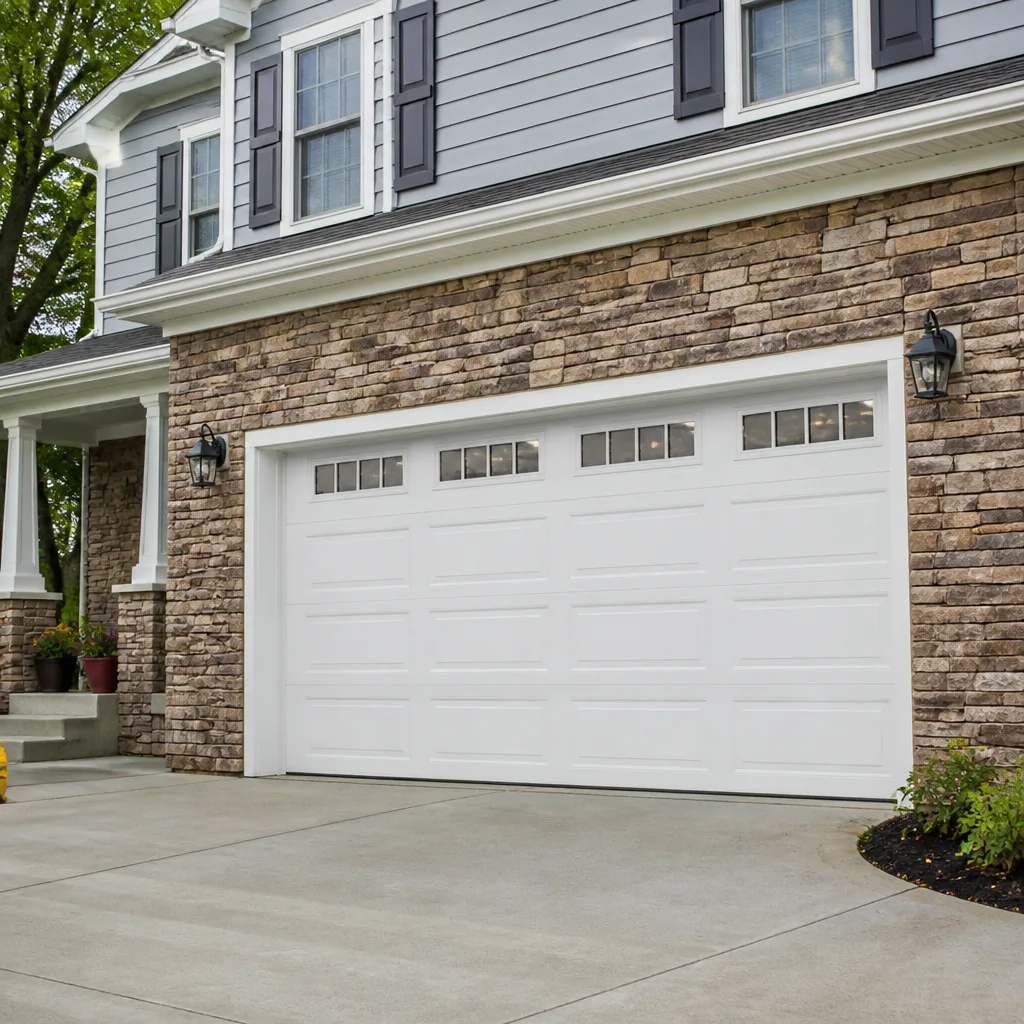 Chamberlain openers
Full 25-point door and opener safety check with every visit - springs, cables, rollers, tracks, and your LiftMaster or Chamberlain opener included
You get a price before we start. It does not change when the pro arrives.
Get your free estimateThe Complete Guide to Garage Doors in Bustleton
Most garage door guides were written for a hypothetical homeowner in a hypothetical climate. Bustleton doesn’t match that picture. This neighborhood sits in a humidity corridor that rusts hinges, rollers and spring hardware faster than Philadelphia’s western suburbs, and a large share of the residential stock still runs openers installed before current safety standards took hold. Generic national advice skips both facts, which is why so many Bustleton homeowners end up paying for the wrong door, the wrong opener, or a repair they didn’t actually need. In this guide we’ll walk through how Bustleton’s housing stock constrains your choices, how the local freeze-thaw cycle should shape your insulation decision, which opener drives make sense in tight attached garages, and where the real crossover point sits between repairing and replacing.
Quick Answer
The right garage door for a Bustleton home depends on three local conditions more than anything else: your lot and header clearance (row houses and twins often cap door width and headroom), the region’s freeze-thaw cycle (which makes insulation R-value a practical decision, not a cosmetic one), and the humidity that speeds up hardware corrosion. Get those three right and the brand, material and opener choices fall into place. Get them wrong and you’ll replace parts on a door that was never suited to the house.
Styles & brands we work with
- Raised-panel steel
- Carriage house
- Modern flush
- Full-view glass
- LiftMaster openers
- Chamberlain openers
Table of Contents
- How Bustleton’s Housing Stock Shapes Your Door Options
- Why Insulation Matters More in Bustleton Than the Label Suggests
- Choosing an Opener for a Bustleton Attached Garage
- Brand and Parts Availability in the Northeast Corridor
- Springs: The Part That Fails First and Matters Most
- Repair, Replace or Upgrade: The Decision Sequence
- What Routine Care Actually Prevents in This Climate
- What Garage Door Work Typically Costs in Bustleton
How Bustleton’s Housing Stock Shapes Your Door Options
Before you shop for a door, measure the constraints. Bustleton’s mix of row houses and twin homes means many garages share a wall with a neighbor, sit tight against a property line, or have a driveway width that limits how wide a door can open without clipping a fence or a parked car. Those physical facts eliminate certain products before price ever enters the conversation.
The three measurements that decide the most are:
- Finished opening width. The clear space between the jambs, not the door slab width. In a twin, the shared wall side often leaves less room than homeowners assume.
- Headroom. The distance from the top of the opening to the ceiling. Torsion spring systems and many opener rails need a specific amount of it. Low-headroom setups use different hardware entirely.
- Backroom. How far the door travels back into the garage when it opens. A short garage may need a high-lift or low-clearance configuration rather than a standard track.
We’ve seen plenty of Bustleton garages where the homeowner had already picked out a door online before anyone measured the headroom. That order gets returned. A proper measure happens before the order, which is one reason garage door installation is scheduled work rather than a same-day job: the opening is measured, the door is ordered to fit it, and the written price is agreed before anything is fabricated.
Row-house lots also matter for another reason. When your garage shares a wall with a neighbor, noise and vibration travel. That single fact should push you toward a belt-driven or screw-driven opener and away from a chain drive, which we’ll cover below.
Why Insulation Matters More in Bustleton Than the Label Suggests
“Insulated vs. non-insulated” is the wrong question in this region. The right question is whether the door can handle a freeze-thaw cycle that repeatedly pulls moisture into seams, then freezes it. Bustleton gets cold winters and humid summers, and a garage door panel expands and contracts through both. A door with no insulation at all becomes a thin metal skin that sweats on the inside during temperature swings, and that condensation lands on hinges, rollers and the bottom section.
So what should you actually look for?
- An insulated core, not just a painted back. Polyurethane or polystyrene cores resist the panel flex that plain steel shows over repeated cycles.
- Thermal breaks between front and back skins. These reduce the condensation that corrodes hardware from the inside out.
- A weather seal that actually contacts the floor. In a freeze-thaw climate, a worn bottom seal lets meltwater and cold air in, and that’s what freezes a door shut.
If the garage is attached to the house and shares a wall with living space, insulation earns its cost twice: it slows heat loss through the door and it reduces the moisture migration that rusts the opener rail and spring hardware. For a detached garage in Bustleton, insulation is more about protecting the door’s own hardware than about the house.
We treat this as a measurement decision, not a shopping decision. When we quote garage door repair, part of the diagnosis is whether the door you have is suited to the exposure it’s getting. A door that keeps rusting at the hinges may not need better hinges. It may need a different door.
Choosing an Opener for a Bustleton Attached Garage
If your garage shares a wall with a bedroom, the opener’s drive system matters more than its brand name. Bustleton’s densely built blocks mean attached garages where noise carries straight into the house. Here’s how the three drive types rank for that situation, quietest first:
- Belt drive. A rubber belt replaces the metal chain, which removes most of the metallic rattle. This is the default choice when a bedroom or living room sits above or beside the garage. Belt drives cost a bit more than chain and are the quietest of the three.
- Screw drive. Quieter than chain, with fewer moving parts and less vibration. It’s a strong middle option when you want durability and moderate quiet, though the screw mechanism can be noisier than a belt in cold weather when lubricant thickens.
- Chain drive. The most common and typically the least expensive, and also the loudest. In a detached garage the noise doesn’t matter. In a Bustleton twin with a shared wall, it usually does.
Beyond the drive, look at two more things. First, safety reversal: every modern opener must reverse when it meets an obstruction, and older units in this neighborhood’s housing stock sometimes predate that requirement. Second, connectivity. If you want the door on your phone or tied into a smart-home setup, we work with Wi-Fi-connected systems across LiftMaster, Chamberlain and Genie as readily as we do with legacy mechanical units. If your opener has stopped responding, garage door opener repair starts with diagnosis: is it the motor, the logic board, the safety sensor, or the door itself binding and stalling the motor?
One practical note for tight Bustleton garages: a jackshaft opener that mounts on the wall beside the torsion bar frees up the ceiling entirely and is quieter than a ceiling-mounted rail system. It only works on a torsion setup with the right side clearance, which is exactly the kind of thing a measure settles.
Brand and Parts Availability in the Northeast Corridor
When a spring snaps at 7 a.m. and your car is trapped inside, the thing that decides how fast you’re moving again isn’t the brand on the door. It’s whether the technician knows that brand’s specific hardware and whether the part is available in the Northeast corridor without a week-long order. That’s why we train on eight major brands rather than specializing in one.
Our technicians work on LiftMaster, Chamberlain, Genie, Clopay, Amarr, Wayne Dalton, Craftsman and Raynor. In practice, those names cover the vast majority of doors and openers in residential use, so the odds are good that whatever is already installed on your Bustleton garage is something we’ve diagnosed before. The brands that come up most in this area are Clopay and Amarr on the door side, and LiftMaster, Chamberlain and Genie on the opener side.
Parts availability breaks down into three tiers:
- Consumables. Rollers, hinges, cables, bottom seals, safety sensors. These are common across brands and generally available locally.
- Model-specific parts. A particular torsion spring size, a specific opener logic board, a specific panel section. Availability depends on the brand and how recent the model is.
- Discontinued parts. Older Craftsman and Wayne Dalton components sometimes fall into this category, which is where a repair can stop making financial sense and replacement becomes the smarter move.
This is where “diagnosed, not guessed” matters. A technician who works across brands can tell you within a visit whether your door needs a part that’s on the shelf, a part that has to be ordered, or a different approach entirely, rather than guessing and coming back.
Springs: The Part That Fails First and Matters Most
Springs carry the weight of the door. They’re under extreme tension, and when one fails it’s loud, sudden and dangerous. This is the single service where we’re most emphatic: do not attempt spring work yourself. A torsion spring under load can cause serious injury, and the tools and technique required are not something a general handyman visit covers. Spring repair is a core specialty for us precisely because it’s one of the most mechanically dangerous jobs in the trade.
Two spring types show up in Bustleton garages:
- Torsion springs. Mounted on a shaft above the door. They’re the more common modern setup and generally last longer per cycle, but they’re also the higher-tension system.
- Extension springs. Mounted along the tracks on either side. Common on older doors. They stretch rather than twist, and they require safety cables to contain them if they break.
Springs are rated by cycle life, not by calendar age. A door that opens and closes six times a day wears its springs faster than one used twice a day. If your door suddenly feels heavy, won’t stay up, or the opener strains to lift it, stop using it and have it looked at. The opener is not designed to lift a door with a dead spring, and running it anyway can burn out the motor and damage the door.
One pricing fact that catches people out: a spring is quoted individually. When a matched pair is replaced together, which is the usual practice because both springs have lived the same number of cycles, the cost is roughly double a single spring. We won’t quote a pair at a single-spring price because that number wouldn’t be honest.
For an urgent spring failure, this falls under Garage Door Repair Bustleton, and emergency service is a dedicated category for us, not a reluctant exception. If the door won’t open or won’t close and it can’t wait, that’s the call.
Repair, Replace or Upgrade: The Decision Sequence
Homeowners in Bustleton often ask whether to repair or replace, and the honest answer depends on where you are in the door’s life, not on what a salesperson wants to sell. Here’s the sequence we walk through:
- Is it one failed part on an otherwise sound door? A single spring, a snapped cable, a dead opener motor, a bent roller. Repair is the clear call. The door structure and panels are fine, and you’re paying for the part plus labor.
- Is it a pattern of failures? Three repairs in a short window on the same door, especially on hardware, suggests the door itself is at the end of its service life or is unsuited to the exposure. That’s where the crossover sits. Once repairs start stacking up, replacement usually costs less over a few years than another round of fixes.
- Is the door structurally compromised? Bent tracks that won’t straighten, cracked panels, a door that’s been hit and is off-square. Repair becomes a patch, and replacement is the correct answer.
- Is it an upgrade decision? The door works fine but is uninsulated, loud, or tied to an opener without modern safety reversal. That’s an upgrade, and it’s voluntary. It’s scheduled and measured, not urgent.
The crossover point is the thing most guides skip. A third repair on a door that’s already struggling is usually the signal to price a replacement instead. Not always, but usually. The way to know is to get both numbers written down: what the next repair costs, and what a fitted replacement costs, with the measure done first so the replacement figure is real.
Replacement is scheduled work. A free measure comes first, then a written price, and then the door is ordered to fit your actual opening. We never promise same-day on installation because the door has to be measured and ordered before it can be hung.
What Routine Care Actually Prevents in This Climate
Bustleton’s humidity is the quiet culprit behind most hardware failures here. Moisture sits on unpainted steel, migrates into hinge pins and roller bearings, and starts the corrosion that eventually seizes a roller or weakens a cable. Routine care in this climate is less about making the door look good and more about interrupting that corrosion cycle.
What’s worth doing, and what a technician checks:
- Lubricate hinges, rollers and the torsion shaft with a garage-door-specific lubricant. This is the single most effective anti-corrosion step in a humid climate, and it’s a maintenance task, not a repair.
- Inspect the bottom seal for cracking and gaps. A failed seal lets moisture and cold air in, and in freeze-thaw conditions that’s what freezes a door to the floor.
- Test the safety reversal. Put an object in the door’s path and confirm it reverses. If it doesn’t, stop and call.
- Check the balance. Disconnect the opener and lift the door by hand. A properly balanced door moves easily and stays put halfway up. A door that feels heavy is telling you the springs are losing tension.
- Look at the cables. Frayed or kinked cables are a safety issue. Don’t touch them. Call.
What not to do: don’t adjust springs, don’t loosen cable tension, and don’t try to straighten a bent track by force. Those are the jobs that put people in the hospital. A trained professional handles them. The routine care above is the safe surface of maintenance, and it’s the part that saves money in Bustleton’s climate.
What Garage Door Work Typically Costs in Bustleton
Pricing varies with the door, the opener and what’s actually wrong, so treat any number as a typical range, not a quote. The written estimate is what sets your final price, and it’s agreed before any work starts. Here’s roughly how the categories break down:
| Job | Typical range |
|---|---|
| Single torsion spring replacement | $180 – $340 |
| Matched pair of springs (replaced together) | About twice the single-spring figure |
| Opener repair (motor, logic board, sensor) | Varies by part and model |
| New opener installation | Varies by drive type and connectivity |
| Full door replacement | Priced per measure and door spec |
Two things drive the numbers more than anything else in Bustleton. First, the door’s specific hardware: a discontinued part turns a repair into a replacement decision. Second, the measure. A door that fits your opening without modification costs less than one that needs a low-headroom configuration or custom sizing.
The other pricing question homeowners ask is whether the price changes once the technician sees the job. The answer is that the price is quoted and agreed before work starts. If the diagnosis changes what’s needed, you hear about it before anything is done, and you decide. Estimated ranges are just that, estimated. The written price is the one that matters. Call (844) 940-3088 for an exact quote. Estimates are free.
Common Mistakes to Avoid
- Buying a door before measuring the opening. In Bustleton’s row-house and twin lots, headroom and width often eliminate the door a homeowner picked online. Measure first, order second.
- Choosing a chain-drive opener for a shared-wall garage. In a densely built neighborhood, the metallic rattle travels into living space. Belt drive is usually worth the small extra cost.
- Ignoring insulation in a freeze-thaw climate. An uninsulated door sweats, then freezes, and the condensation corrodes hardware. Insulation is a practical decision here, not a cosmetic one.
- Running the opener on a door with a dead spring. The motor isn’t built to lift a door without spring assistance. Doing it anyway burns out the opener and can damage the door.
- Attempting spring or cable work yourself. These parts are under extreme tension. A general handyman visit isn’t the right call either. This is a trained-professional job.
- Repairing a third time instead of pricing a replacement. Once repairs stack up on the same door, the crossover point has usually passed. Get both numbers written down.
- Assuming a snapped spring is a same-day emergency if you can wait. Emergency service exists for doors that block a car or a business. A door you can leave shut until the next opening of dispatch hours is a scheduled repair, and scheduling it is fine.
See the difference
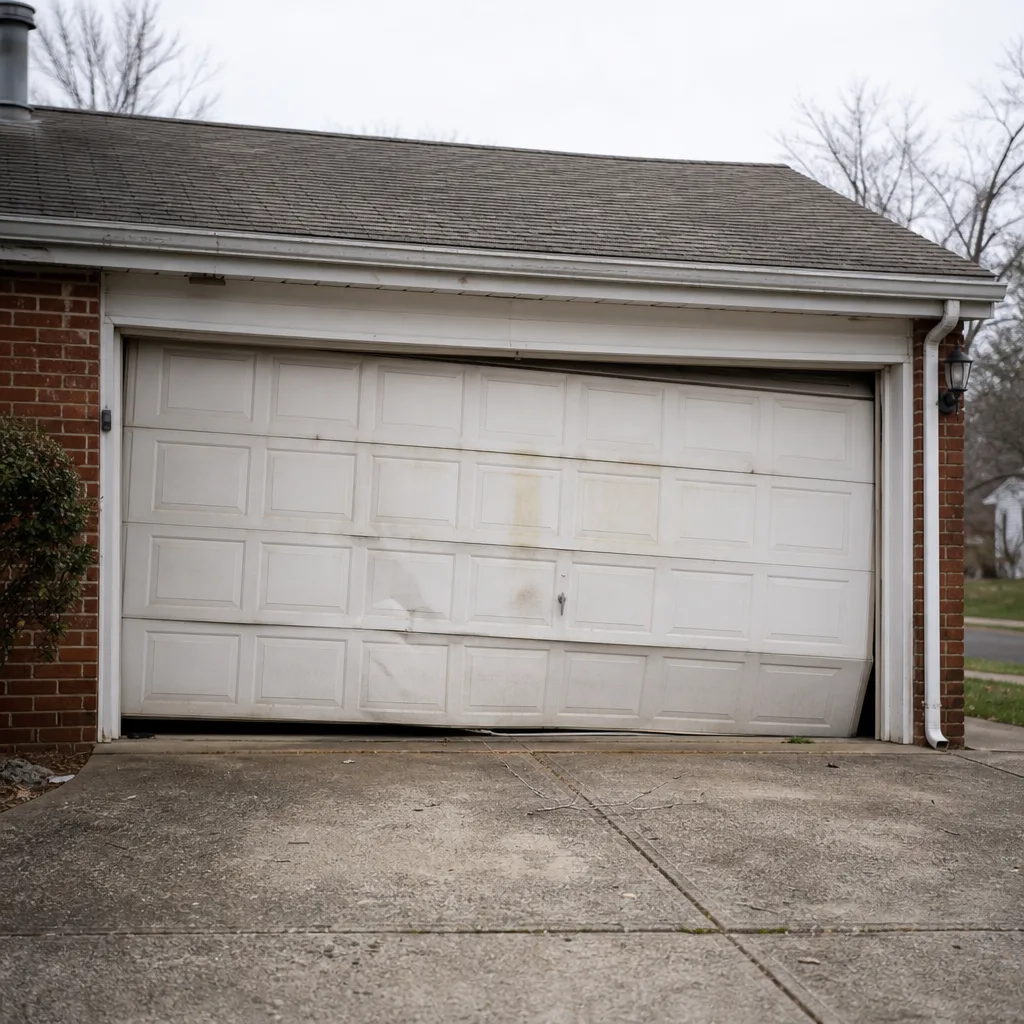 Before
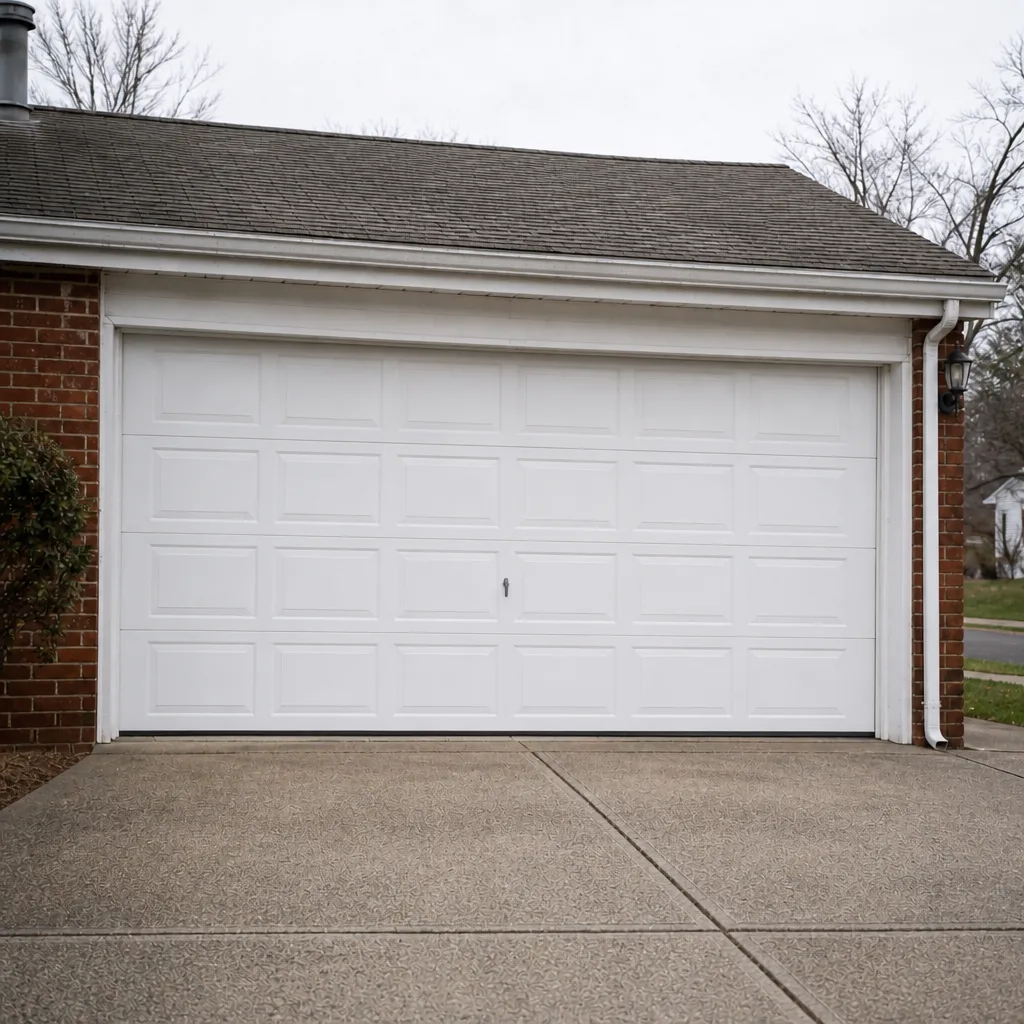 After
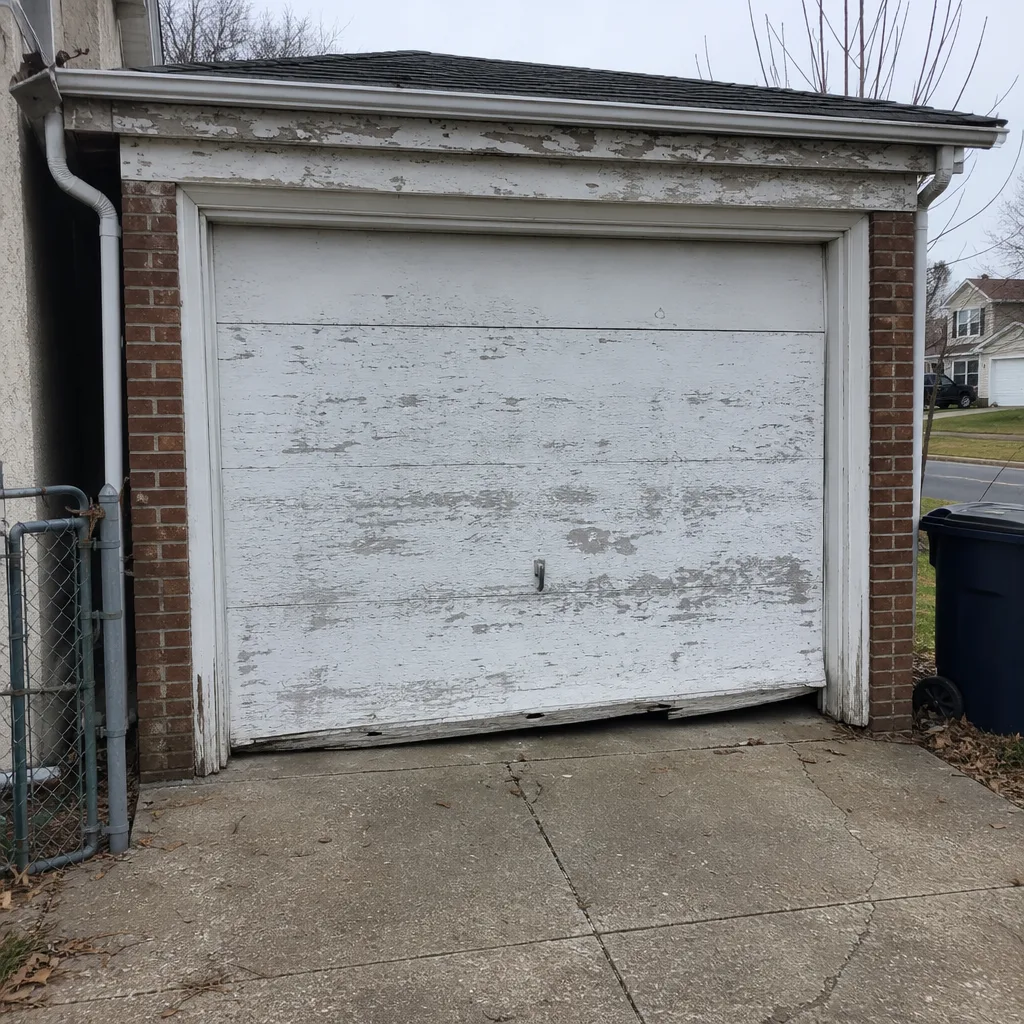 Before
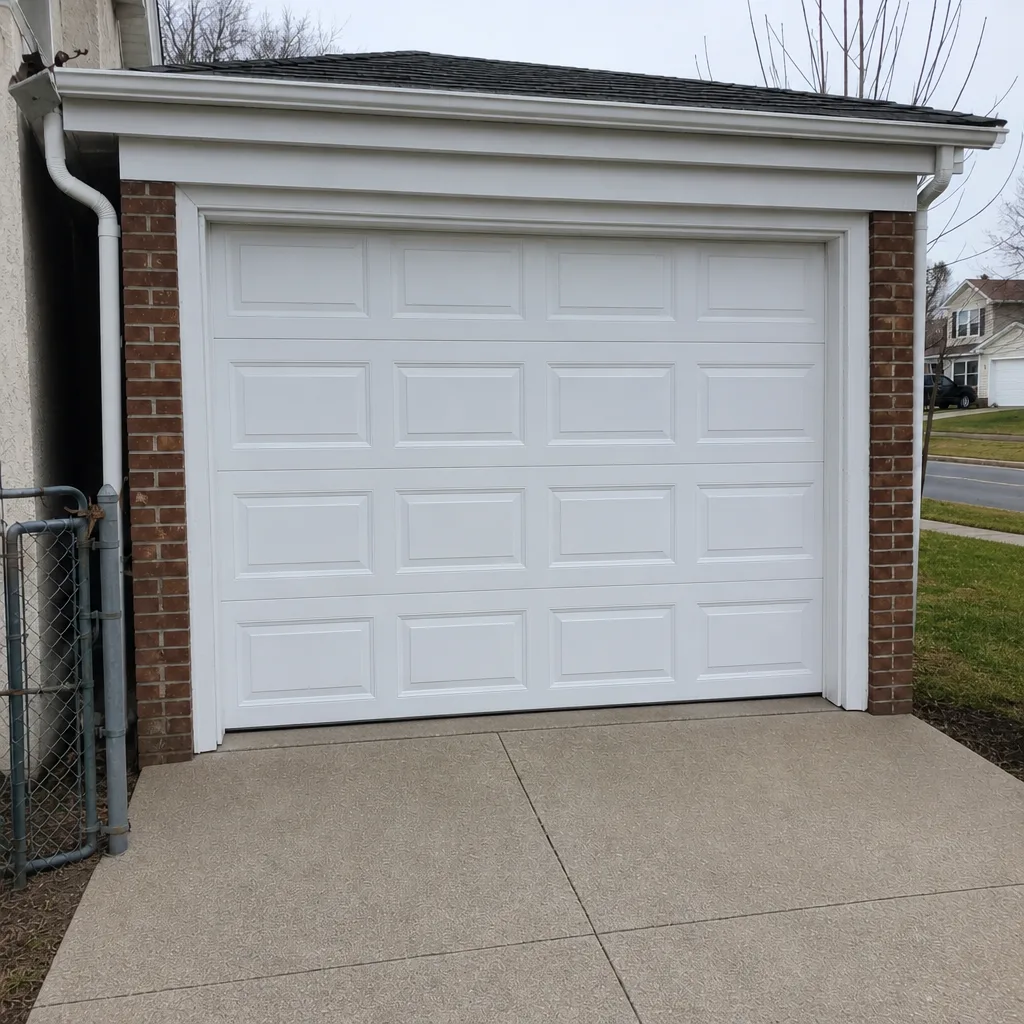 After
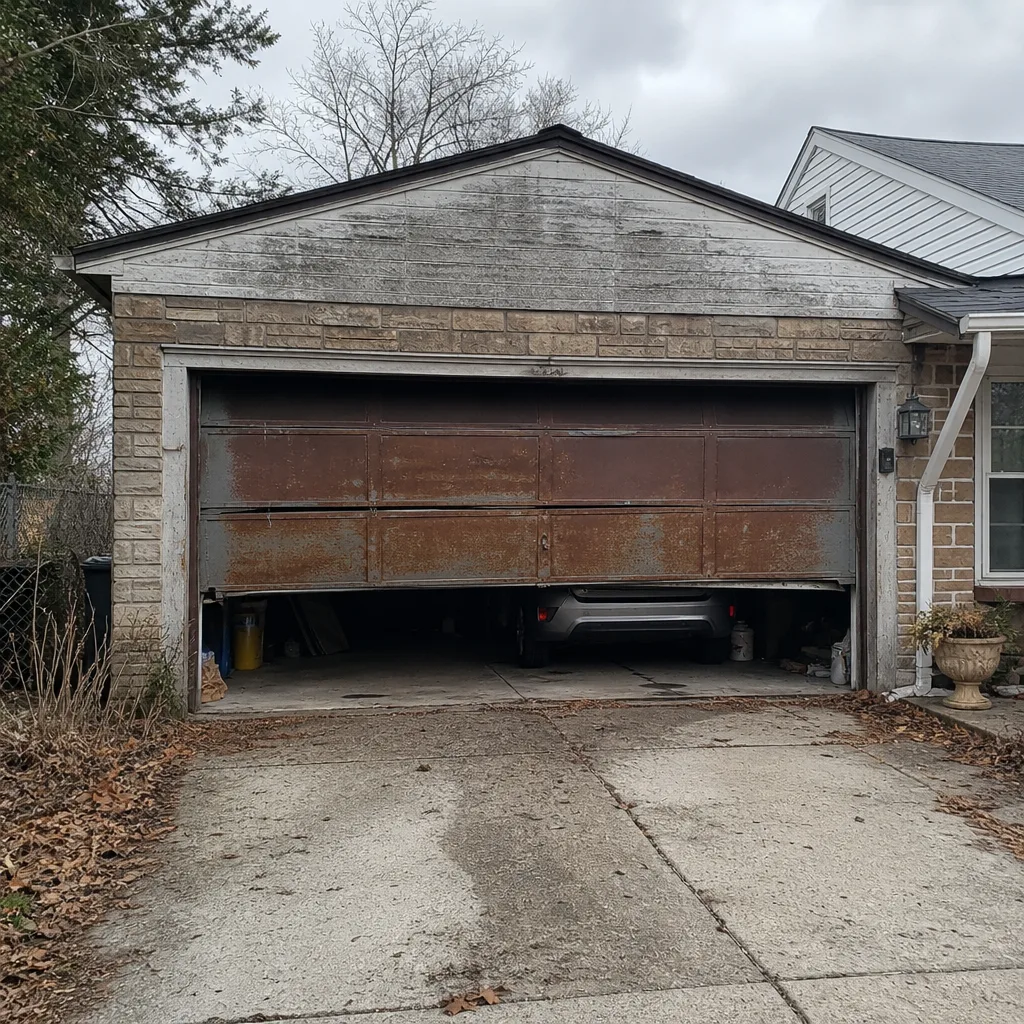 Before
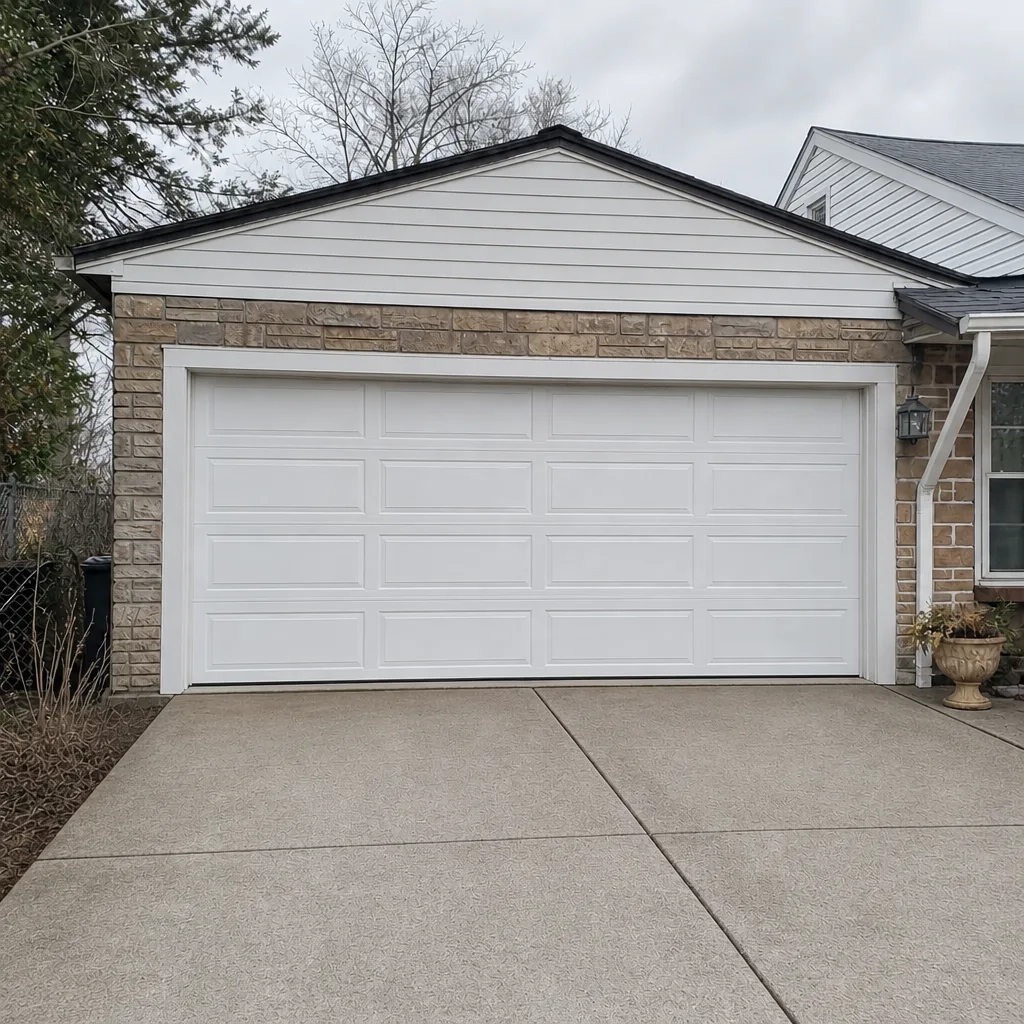 After
When to Call a Professional
Call a professional when the door won’t open or won’t close, when a spring has snapped, when the door is off its track, or when the opener doesn’t respond and you’ve already checked the power and the safety sensors. Call when the door feels heavy by hand, when a cable looks frayed, or when the safety reversal test fails. Any of these is a stop-and-call situation. For a door that works but is noisy, uninsulated or running an aging opener, that’s a scheduled measure, not an emergency. Garage Door Repair Bustleton offers free estimates in Bustleton. Call (844) 940-3088. We answer 24/7. Fast dispatch from 7am to 7pm, Sunday through Friday.
Frequently Asked Questions
Most common repairs fall in a range that depends on the part and the door, with a single torsion spring typically running $180 – $340 and a matched pair about twice that. The written estimate sets your final price, and it’s agreed before any work starts. Call (844) 940-3088 for an exact quote. Estimates are free.
Yes, for urgent failures. Emergency service is a dedicated category for us, covering broken springs, doors off-track and openers that won’t respond. We answer 24/7, with fast dispatch from 7am to 7pm, Sunday through Friday. Call (844) 940-3088.
The price is quoted and agreed before any work starts. If the diagnosis reveals something different from what was expected, you hear about it first and you decide before anything is done. Call (844) 940-3088 for an exact quote. Estimates are free.
Our technicians have up to 9 years of experience and are trained on eight major brands: LiftMaster, Chamberlain, Genie, Clopay, Amarr, Wayne Dalton, Craftsman and Raynor. That covers the vast majority of residential doors and openers. The local pro who performs the work is licensed and insured as their state requires.
No. Installation and replacement are measured and scheduled work. A free measure comes first, then a written price, then the door is ordered to fit your actual opening. That sequence protects you from ordering a door that won’t fit a row-house or twin garage. Call (844) 940-3088 to book the measure.
Repair if it’s one failed part on an otherwise sound door. Replace if repairs are stacking up, the door is structurally compromised, or it’s unsuited to this region’s humidity and freeze-thaw cycle. The crossover is usually around the third repair on the same door. Call (844) 940-3088 to price both.
The Bottom Line
Bustleton’s housing stock and climate decide more of your garage door questions than any national guide will admit. Measure the opening before you shop, take the freeze-thaw cycle seriously when you pick insulation, match the opener drive to whether your garage shares a wall, and know where the repair-versus-replace crossover sits before a third repair stacks up. Springs are the part that fails first, they’re dangerous to handle yourself, and a matched pair is priced as a pair. When the door won’t open, won’t close, or can’t wait, that’s the call. Call (844) 940-3088 for a free estimate. We answer 24/7. Fast dispatch from 7am to 7pm, Sunday through Friday.
Written by the team at Garage Door Repair Bustleton.