
Last updated November 21, 2026
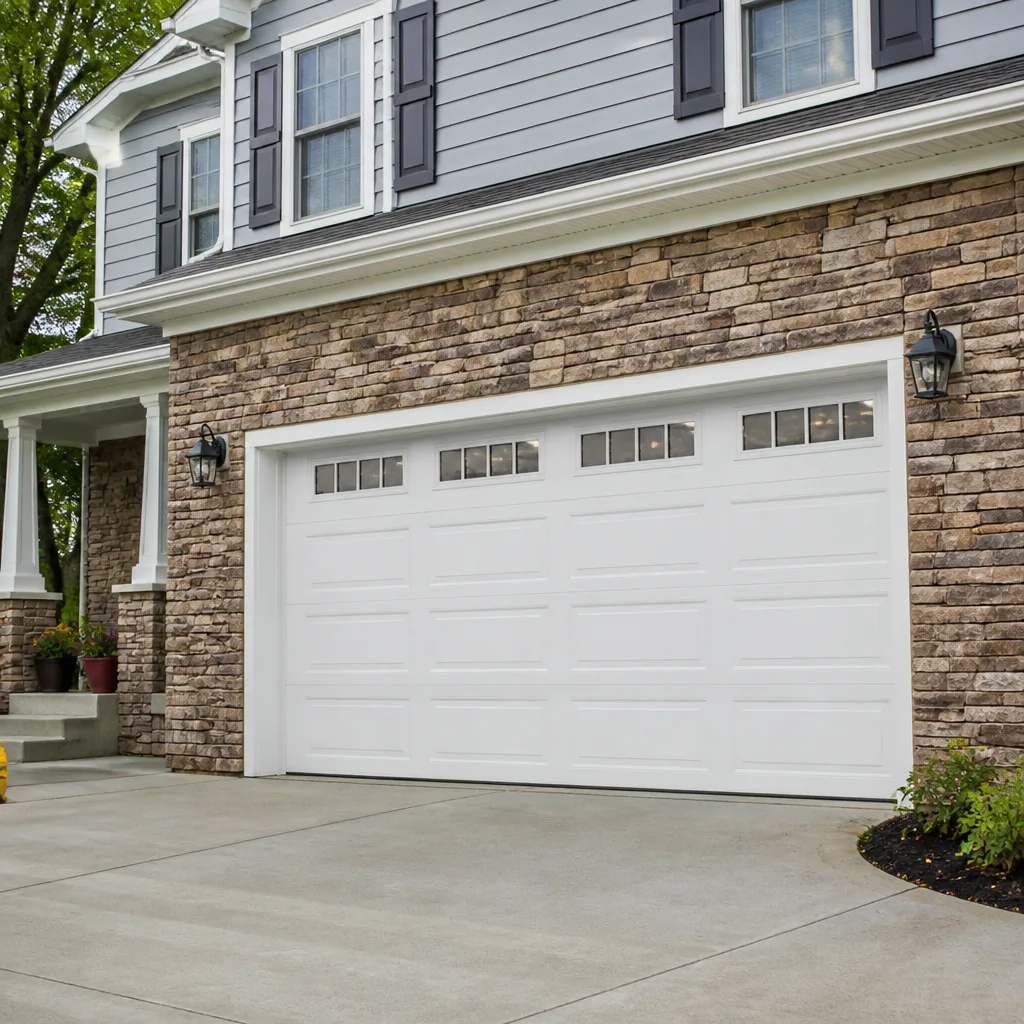
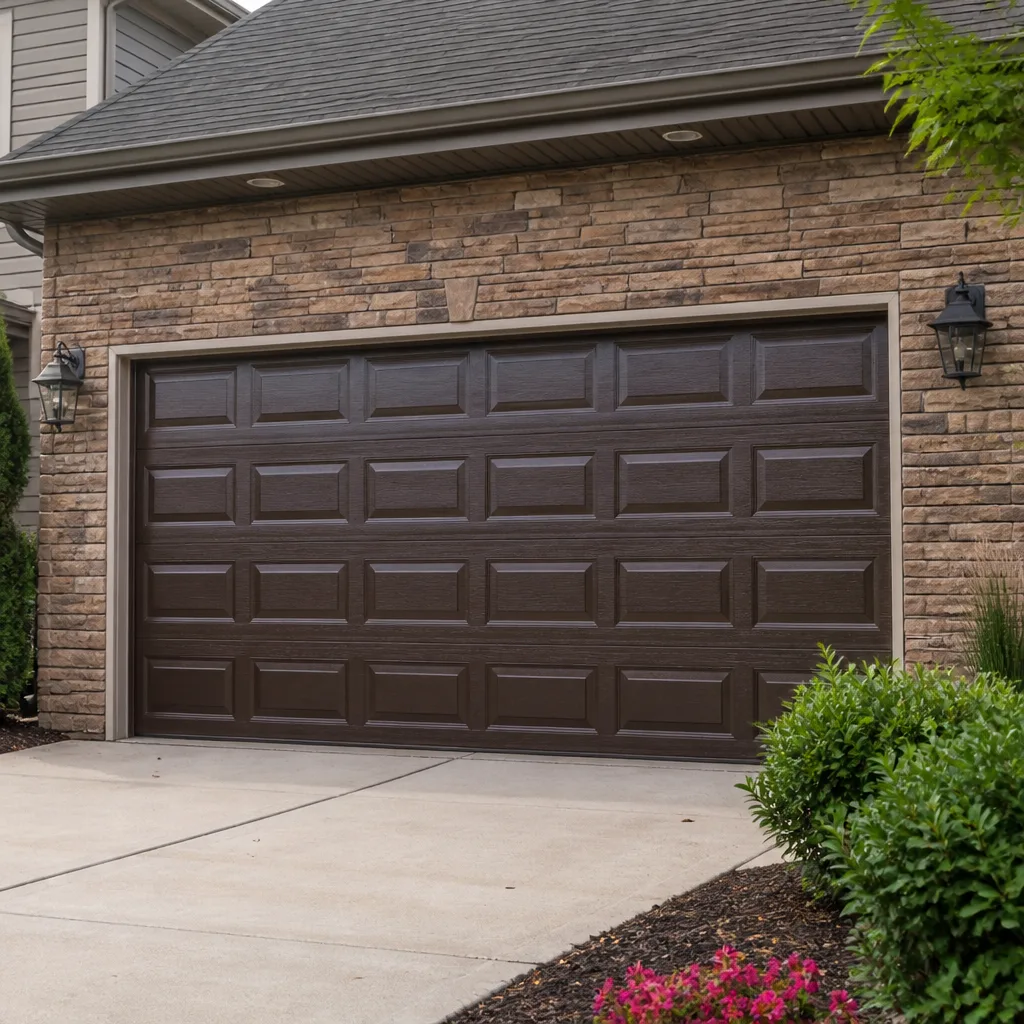 Raised-panel steel
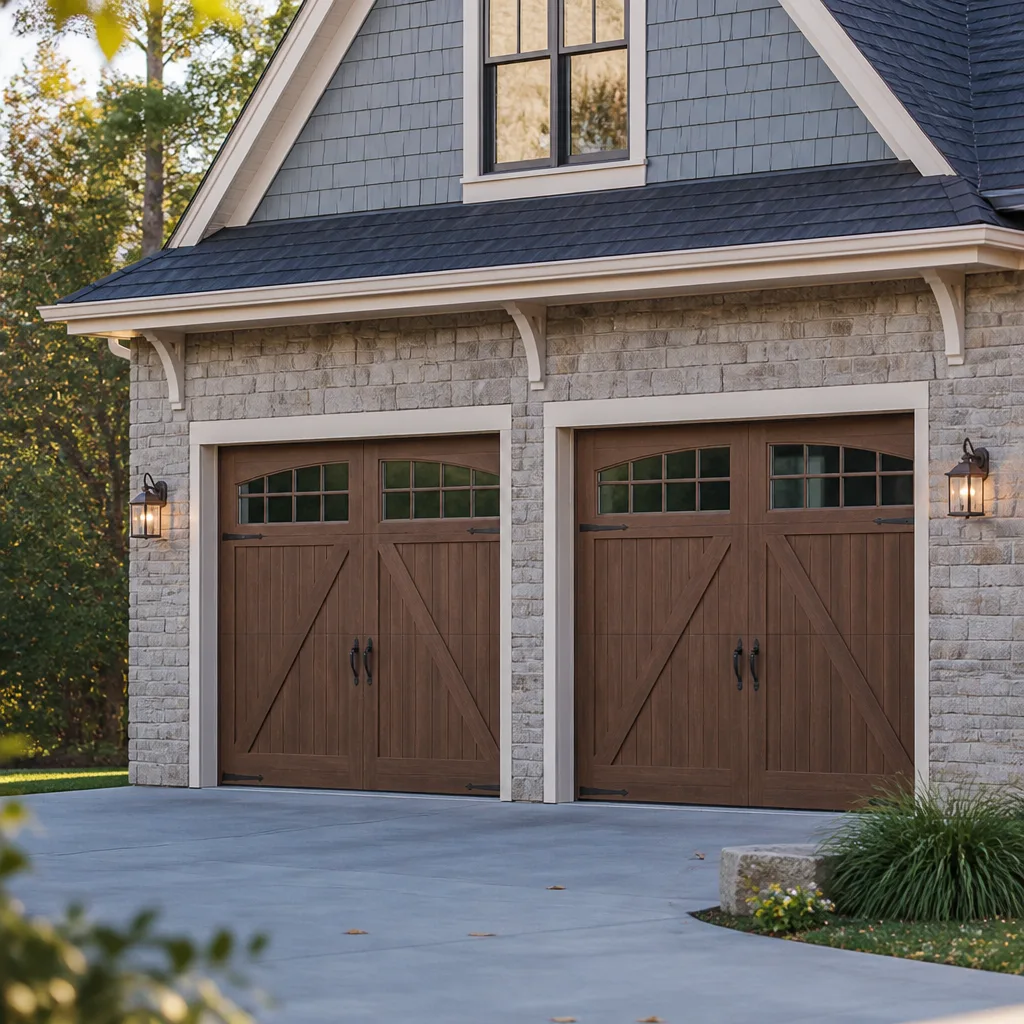 Carriage house
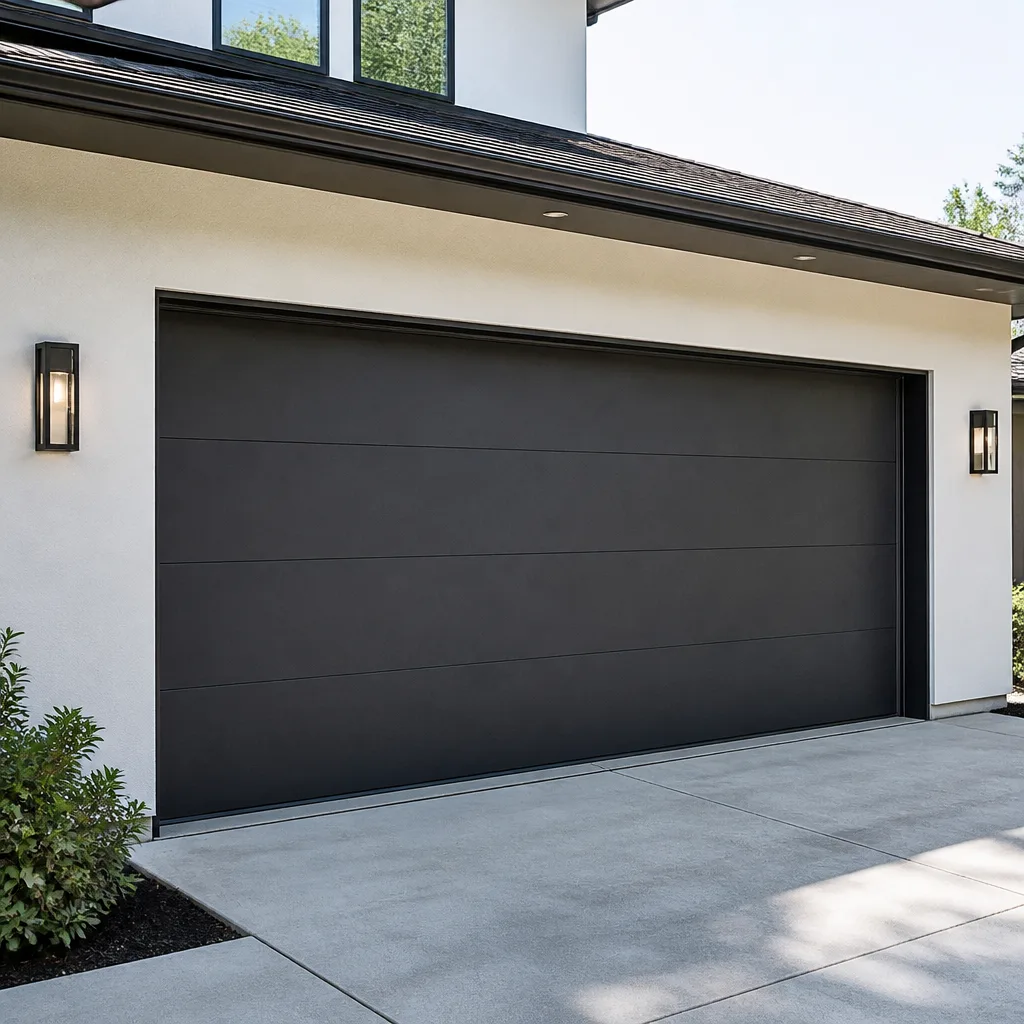 Modern flush
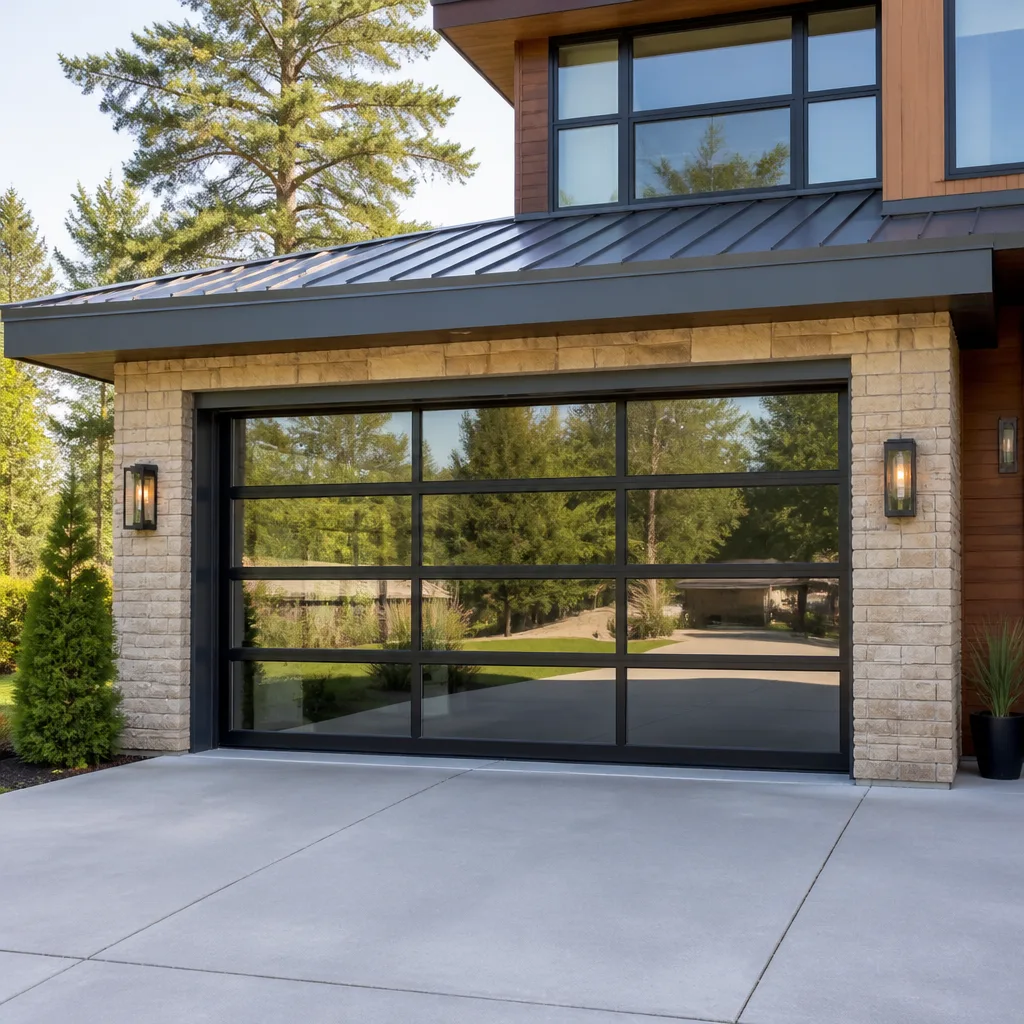 Full-view glass
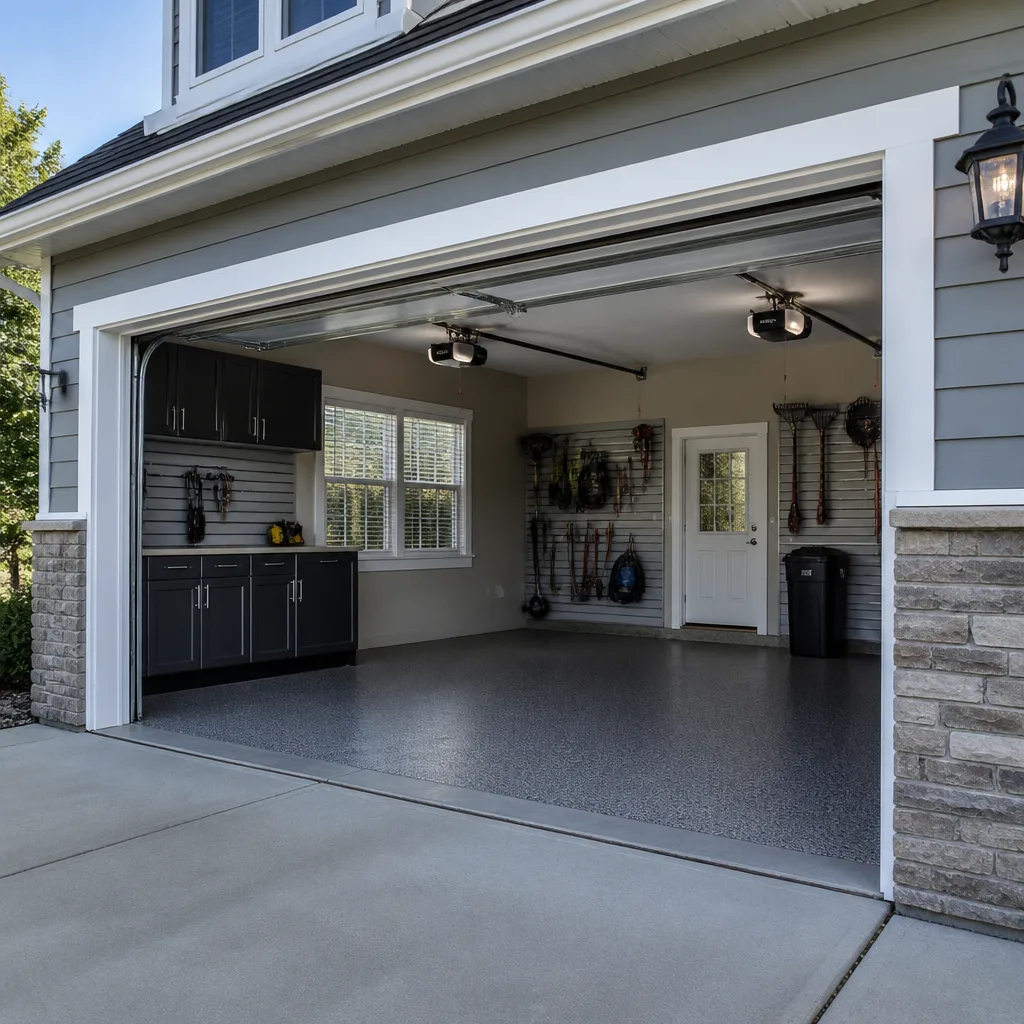 LiftMaster openers
 Chamberlain openers
Full 25-point door and opener safety check with every visit - springs, cables, rollers, tracks, and your LiftMaster or Chamberlain opener included
You get a price before we start. It does not change when the pro arrives.
Get your free estimateDIY vs Professional Garage Door: The Bustleton Homeowner’s Decision Guide
A garage door torsion spring holds enough stored energy to break a wrist or worse if it lets go without warning. That’s not a scare tactic. It’s the physics of counterbalancing a door that weighs a couple hundred pounds. Most DIY debates about garage doors center on saving money, and that framing misses the real variable: injury exposure. The gap between a repair that works and one that hurts someone is a single wrong step, not a lack of mechanical talent. This guide gives Bustleton homeowners a task-by-task split, so you know exactly which jobs sit on the safe side of that energy threshold and which don’t.
Quick Answer
You can safely handle weatherstripping, opener remote programming, safety sensor alignment, and minor cosmetic panel work yourself. Spring replacement, cable work, and anything involving the door’s structural track or header should go to a trained technician. The dividing line isn’t difficulty. It’s stored energy and the consequences of getting it wrong.
Styles & brands we work with
- Raised-panel steel
- Carriage house
- Modern flush
- Full-view glass
- LiftMaster openers
- Chamberlain openers
Table of Contents
- The Stored-Energy Threshold: Why Garage Doors Are Different
- What a Competent DIYer Can Safely Handle
- What Requires Professional Training
- Why Spring Replacement Is Categorically Different
- The Gray Zone: When Labor Costs Less Than the Tools
- DIY Mistakes That Create Bigger Repairs
- How to Verify a Professional’s Work
- Bustleton-Specific Considerations
The Stored-Energy Threshold: Why Garage Doors Are Different
Every other mechanical task around a house deals with energy you can see and stop. A stuck drawer, a loose hinge, a worn belt: if you make a mistake, the part stops moving. A garage door counterbalance system works the opposite way. The spring is under tension at all times, holding back the full weight of the door. When you release that tension incorrectly, the spring doesn’t gradually relax. It uncoils in a fraction of a second with enough force to send winding bars flying across the garage and to break bones in the process.
This is why the DIY question for garage doors doesn’t follow the usual rules. For most home repairs, the question is “can I figure this out?” For garage doors, the question is “what happens if I get it wrong?” Those are very different calculations.
We work on garage doors across Bustleton every week, and the pattern is consistent. Homeowners who call us after a failed DIY attempt usually weren’t unskilled. They misjudged which side of the energy threshold a task sat on. They treated a spring swap like a belt replacement, or a cable rewind like a track adjustment. The repair itself isn’t the hard part. Knowing which tasks carry real risk is.
How the Two Systems Differ
Torsion springs mount above the door on a steel shaft and twist as the door closes. Extension springs run along the horizontal tracks on either side and stretch as the door closes. Both store energy. Torsion springs generally hold more of it and fail more violently when they let go. Extension springs can also snap, and when they do, the door drops unless safety cables are installed. Either way, the stored energy is the reason this trade has its own safety practices: winding bars, vice grips as backup, and never standing in the path of a loaded spring.
What a Competent DIYer Can Safely Handle
Several garage door tasks are genuinely safe for a careful homeowner with basic tools. These jobs don’t touch the counterbalance system or the door’s structural load path, and a mistake won’t send anything flying.
- Weatherstripping replacement. The rubber or vinyl seal along the bottom of the door and around the frame wears out and lets in drafts, water, and pests. Pulling the old strip and sliding in a new one is a straightforward job with a putty knife and a few minutes.
- Opener remote programming. Whether you have a Chamberlain, a Genie, or a legacy unit, pairing a new remote to the opener is a button-press sequence documented in the manual. This is one of the most common calls we get, and it’s also one of the easiest to do yourself.
- Safety sensor alignment. The two photo-eye sensors near the floor need to face each other. If the door won’t close and the opener light blinks, a bumped sensor or a spiderweb across the lens is often the cause. Straightening the bracket and wiping the lens usually resolves it.
- Minor panel dent repair. A small dent in a steel panel can sometimes be worked out from behind with a block and a soft mallet. Cosmetic only. Structural damage to a panel is a different matter.
- Lubrication. Rollers, hinges, and the torsion shaft benefit from a garage-door-specific lubricant a couple of times a year. It’s quiet, low-risk maintenance.
- Visual inspections. Look for frayed cables, worn rollers, loose bolts, and a door that sits unevenly. Spotting a problem early is free and safe.
Notice what these tasks have in common: none of them require you to relieve spring tension or lift the door’s weight. That’s the dividing line. For a closer look at what a full repair visit covers, see our Garage Door Repair Bustleton page.
What Requires Professional Training
These are the jobs where an error can cause serious injury or turn a modest repair into a structural problem. They belong with a technician who has the right tools and has done the work many times.
- Torsion spring replacement. Relieving and re-tensioning a torsion spring requires winding bars rated for the torque, plus a backup method in case the spring slips. One wrong turn and the spring releases with the door’s full counterbalance force behind it.
- Extension spring replacement. Less violent than torsion, but still loaded. Extension springs can whip when they break, which is why safety cables running through the spring are standard practice.
- Cable replacement and re-spooling. Cables are under the same tension as the springs. A cable that slips off a drum while loaded can slice through a hand.
- Track realignment. A bent or misaligned track changes how the door travels and can drop it off the rollers. Fixing the track without addressing why it bent usually just delays the next failure.
- Structural header and bracket repair. The center bearing plate and the jamb brackets carry the door’s weight. If the wood behind them is soft or cracked, the fix is structural, not cosmetic.
- Opener replacement and gear repair. Swapping a worn opener or replacing a stripped drive gear involves electrical connections and weight-bearing mounts. We cover this work under garage door opener repair.
These are the tasks that require training. A typical handyman visit won’t cover them, and that’s fine. They belong with someone who does them regularly.
Why Spring Replacement Is Categorically Different
Think about what a torsion spring actually does. It’s a coiled steel bar that stores the energy needed to lift a door weighing roughly a couple hundred pounds. To wind it, a technician inserts two steel bars into the winding cone and turns, transferring that energy into the spring inch by inch. At full tension, the spring holds that energy indefinitely. When the spring fails, the release is instantaneous. There’s no ramp, no warning sound, no chance to move out of the way.
That’s the calculation that separates spring work from every other garage door task. Weatherstripping, sensor alignment, remote programming: none of those store energy. A mistake there means a door that doesn’t close right and a second attempt. A mistake on a loaded spring means a flying steel bar or a released spring cone, and both are capable of serious injury. The danger isn’t in the difficulty of the procedure. It’s in the amount of energy sitting in the spring the entire time you’re near it.
This is why spring repair is a specialty in its own right and why a general handyman shouldn’t attempt it. The tools matter too. Proper winding bars are hardened steel sized to the spring cone. A screwdriver or a piece of rebar isn’t a substitute, and using one is how people get hurt. If you suspect your spring is failing, keep the door closed, keep cars out of the garage, and call for help rather than trying to take tension off it yourself.
The Gray Zone: When Labor Costs Less Than the Tools
Some jobs sit between clearly safe and clearly dangerous. Here the honest question is economic. If doing the job safely yourself requires buying tools you’ll use once, professional labor may cost less than the DIY route, and that’s before you count the risk.
Take spring replacement as the clearest example. Doing it safely requires a pair of winding bars, a way to secure the door during the swap, and a way to measure and match the spring’s inside diameter and wire gauge. Buying those tools for a single repair often costs about what the labor does. The bars sit in a drawer afterward, and the homeowner still carried the risk of working a loaded spring.
Track work follows a similar logic. Straightening a bent track without the right vise and measuring tools tends to produce a track that’s close but not right, which then wears the rollers unevenly. When the wear leads to a door that binds, the repair bill covers the track, the rollers, and the labor, which is more than the original fix would have been.
Our rule of thumb for Bustleton homeowners: if a task involves relieving spring tension, handling a cable, or adjusting the door’s structural load path, get an estimate before you buy tools. A free estimate costs nothing to ask for. A pair of winding bars and a matched spring cost more than most people expect, and the homeowner still carries the risk. For the full scope of what an installation or replacement visit involves, see our garage door installation page.
DIY Mistakes That Create Bigger Repairs
We’ve seen these mistakes on plenty of Bustleton doors, and each one turns a small repair into a bigger one. The pattern is consistent: the original problem was minor, and the attempted fix made it worse.
- Stripped trolley bolts. Overtightening the bolts on the opener trolley strips the threads or cracks the bracket. The fix is a new trolley, which is a bigger job than the adjustment that was attempted. Tighten until snug, then stop.
- Misaligned track causing roller wear. A track nudged out of true to stop a squeak wears the rollers on one side. The squeak returns, the rollers fail early, and now the track and rollers both need attention.
- Incorrect spring sizing. Matching a spring by length alone misses wire gauge and inside diameter. A spring that’s close but not right overstresses the opener and can leave the door heavy or out of balance. Buy the exact match or don’t buy it.
- Adjusting travel limits to compensate for a heavy door. If the door won’t close, the cause is often a worn spring, not the opener’s settings. Changing travel limits masks the problem and can leave the door closing with too much force, which defeats the safety reverse.
- Rewinding a broken spring “just a little.” A broken spring can’t be partially rewound and made safe. It has to be replaced. Trying to coax a little more life out of a cracked spring is how people get hurt.
- Removing safety cables to replace extension springs. The cables exist to contain a broken spring. Leaving them off during a swap removes the only protection if something goes wrong.
- Forcing a door that’s off its tracks. A door that’s jumped the rollers shouldn’t be pushed back into place. The weight is on the wrong part of the system, and forcing it can bend the track or drop the door.
Each of these has a safe fix once it happens, but the safe fix costs more than the job the homeowner set out to do. If you’ve already tried one of them and the door is behaving worse, our garage door repair page explains what a technician checks first.
How to Verify a Professional’s Work
A good technician won’t mind you checking the work afterward. These are the same tests we run before we leave a job, and any homeowner can repeat them. If a door passes all of them, the repair was done right.
- Check the balance. Disconnect the opener using the release handle, lift the door halfway, and let go. A properly balanced door stays put. If it drifts up or down, the spring tension is off.
- Test the safety reverse. Place a two-by-four flat on the floor under the closing door. The door should reverse when it contacts the board. If it presses down and stops, the reverse force is set too high.
- Test the photo-eye sensors. With the door closing, wave your leg through the sensor beam. The door should reverse immediately. If it doesn’t, the sensors need realigning or cleaning.
- Listen for the spring. A freshly wound spring shouldn’t creak or groan loudly during the cycle. Some noise is normal, but a steady grinding sound means the spring, the shaft, or the bearings need a look.
- Watch the door’s travel. A door that rises and lowers smoothly without jerking or binding is getting proper tension. Jerky travel can point to a worn roller or a track issue that the technician may have missed.
- Confirm the spring color code. Springs are painted with a color code that identifies their size. Match the new spring’s color code to what you were quoted. It’s the simplest way to confirm the right spring went in.
If any of these tests fail, call the technician back before the door gets more use. A repair that’s close but not right wears the rest of the system faster than a repair that was never done.
Bustleton-Specific Considerations
Bustleton’s housing stock shapes which garage door problems come up most often. The neighborhood runs from older rowhouses to post-war single-family homes, and many of the garage doors in those homes are original or have been through a few opener swaps. That matters for the DIY decision because older doors and legacy openers tend to have worn springs, stretched cables, and openers that predate modern safety features. Those are exactly the systems where DIY carries the most risk.
The doors we see around Bustleton also tend to be older models from name brands like Clopay and Amarr, often paired with openers that are past their expected service life. When a technician knows those brands, they can tell quickly whether a part is worn enough to need replacing or whether an adjustment will do. That’s the difference between a diagnosis and a guess, and it’s why we train on those systems.
Weather plays a part too. The freeze-thaw swings across a Philadelphia-area winter work the door’s seals, rollers, and springs every year. Weatherstripping that held up through the summer can crack by February, and a spring that was near the end of its life often gives out on the first cold morning. Homeowners in Bustleton who notice a stiff door or a bottom seal that’s pulled away can usually fix the seal themselves. A door that’s suddenly heavy or won’t stay open is a spring problem, and that’s a call.
What We Work On
We’re a multi-brand garage door specialist, and the eight brands we train on cover the vast majority of doors and openers in residential use. If your door is a Chamberlain, a Genie, or a system that’s older than the brands themselves, a technician arrives already familiar with how it’s built. For a door that won’t open, won’t close, or can’t wait, emergency garage door service is a core part of what we offer, not a reluctant exception.
See the difference
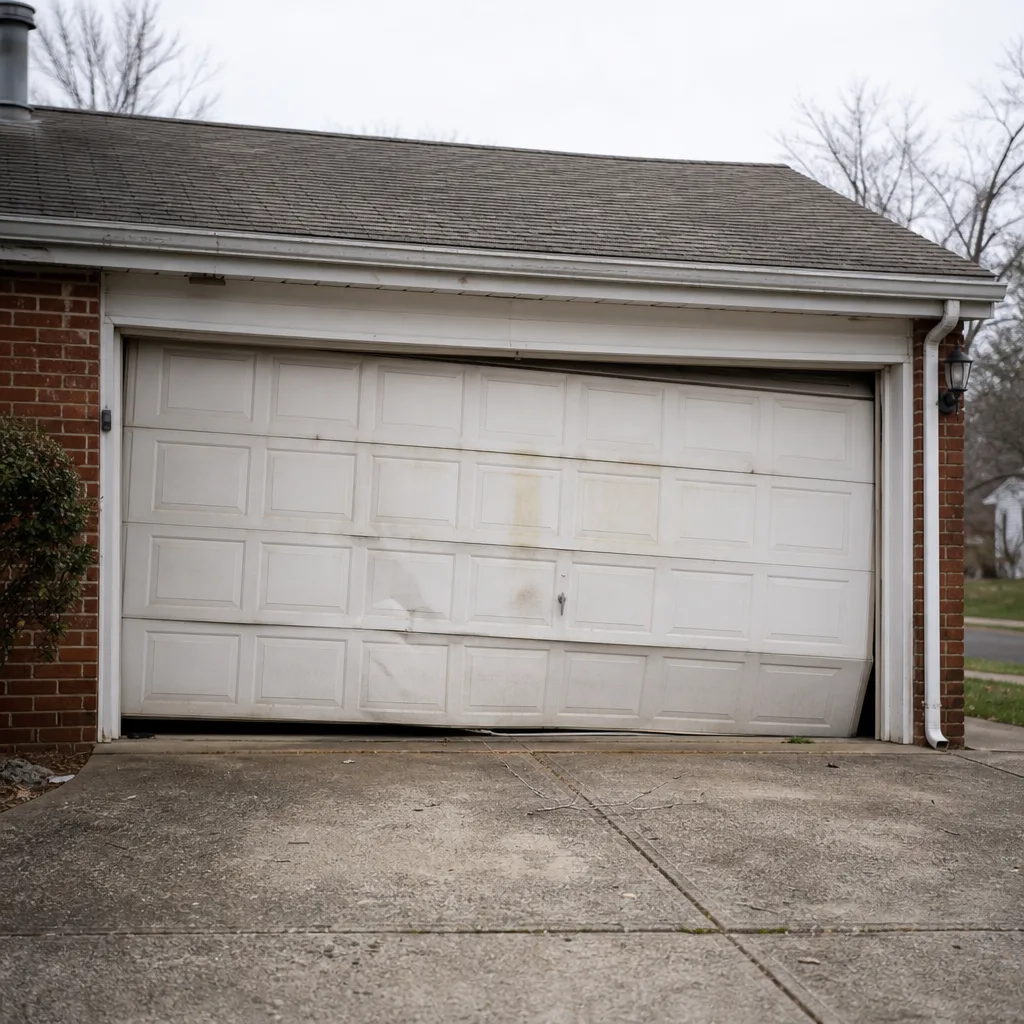 Before
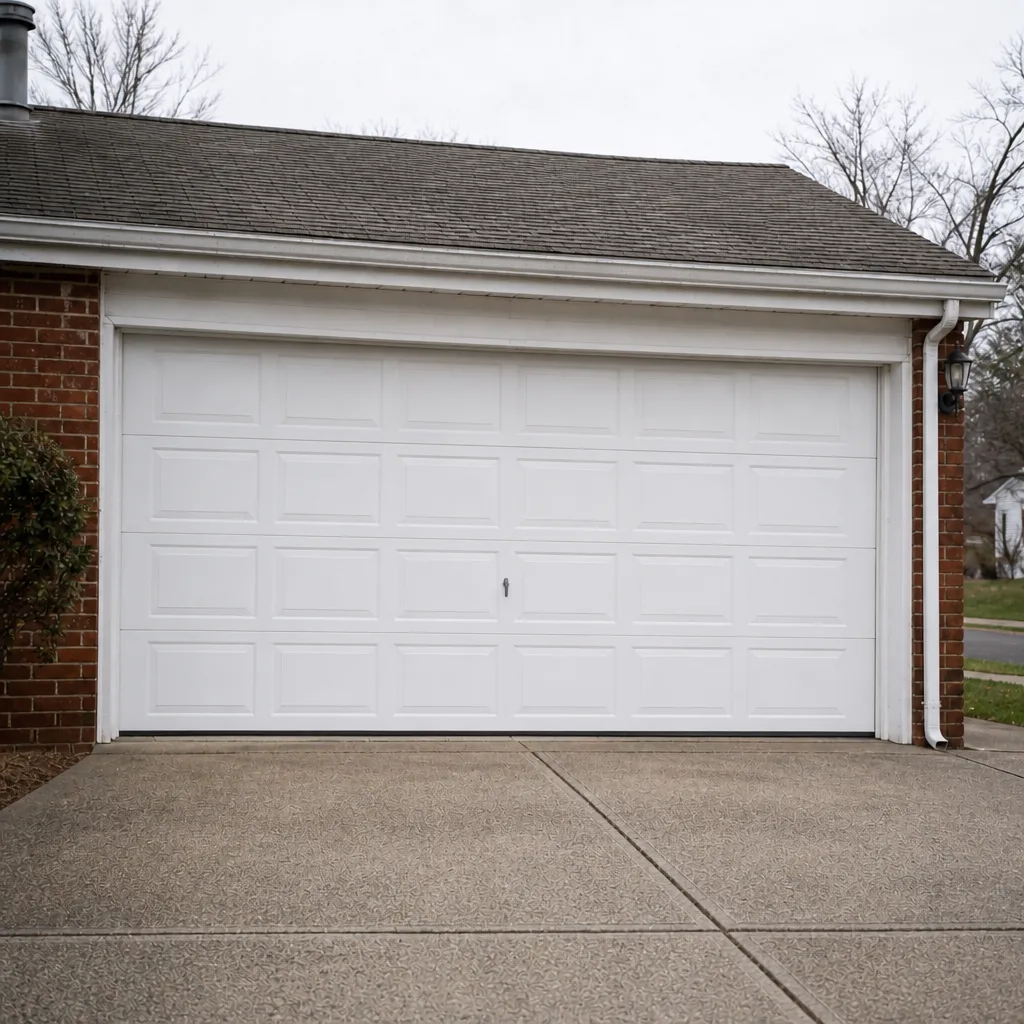 After
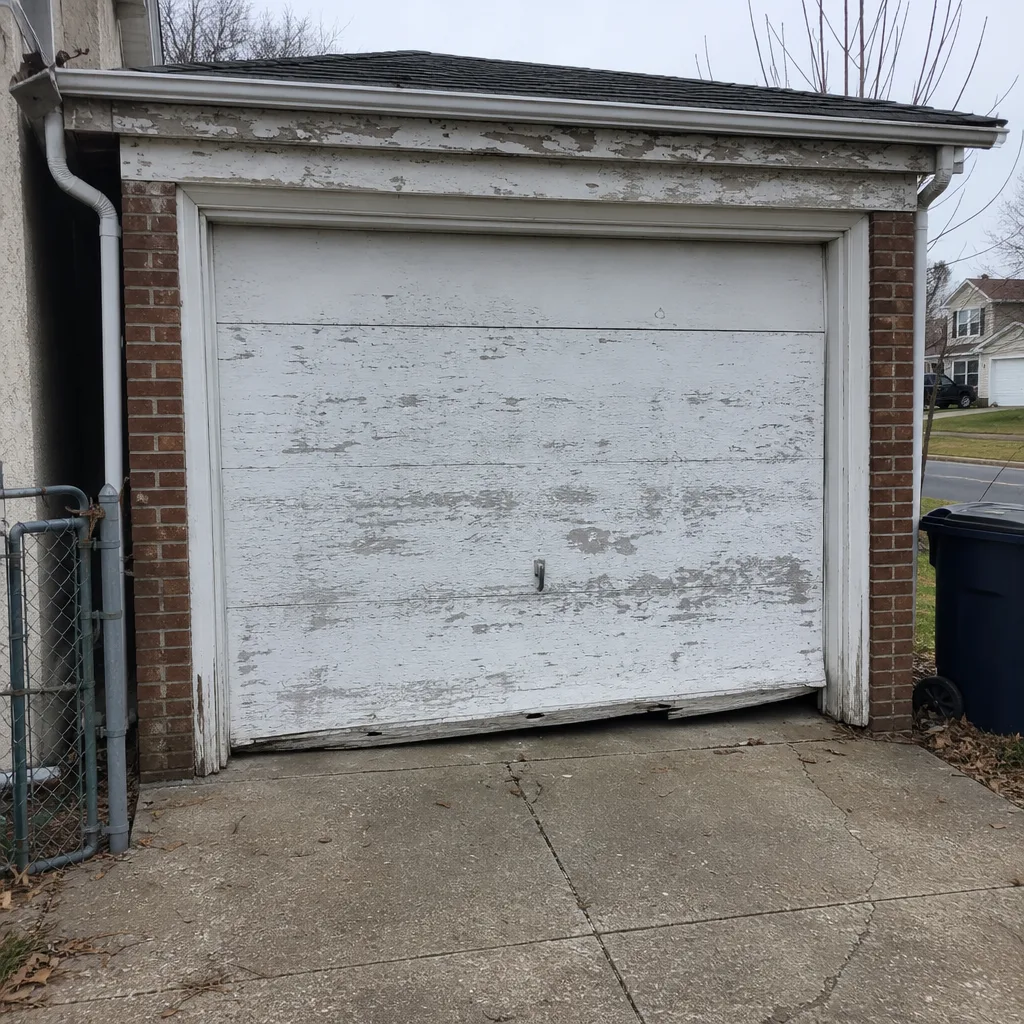 Before
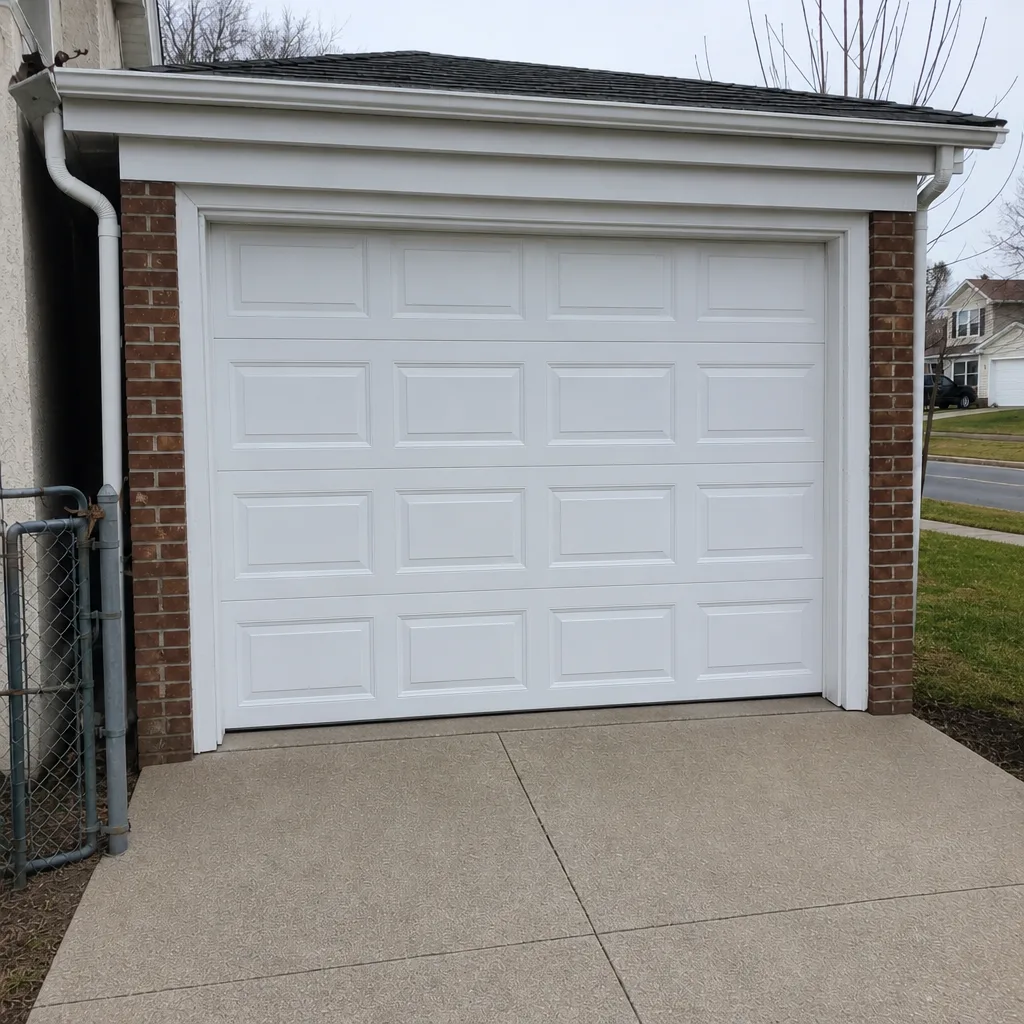 After
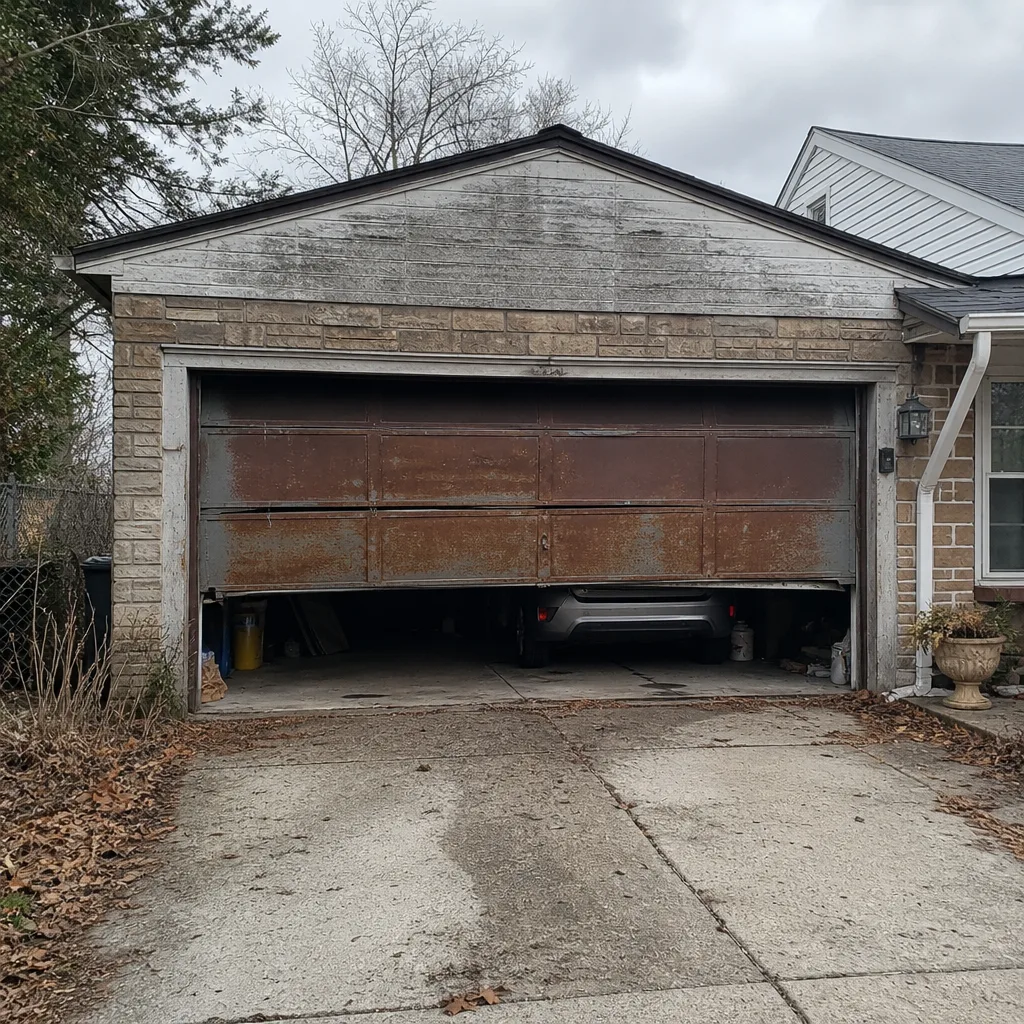 Before
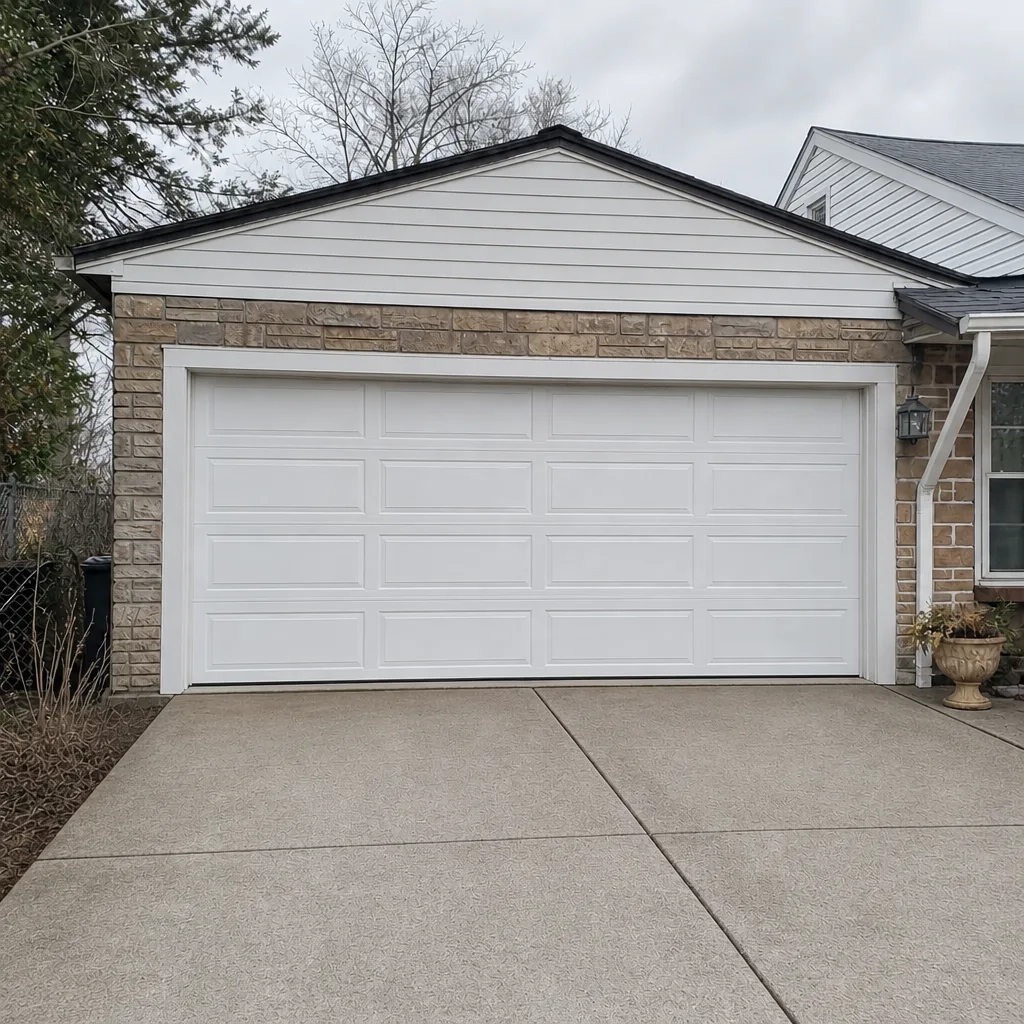 After
When to Call a Professional
Call a professional when the job involves spring tension, cable work, a track that’s left its alignment, or a door that’s off its rollers. Call when you’re not sure what’s wrong, because diagnosis is where a technician saves you the most. Call when a door has suddenly become heavy or hard to lift, which almost always points to a failing spring. Call when the opener’s case is cracked, the drive gear is stripped, or the door moves at uneven speed. And call when a car is trapped inside the garage or the door won’t close on a house that needs securing. These aren’t tasks to work through on a Saturday afternoon with a YouTube video running. Garage Door Repair Bustleton offers free estimates in Bustleton. Call (844) 940-3088 for yours.
Frequently Asked Questions
We don’t recommend it. A torsion spring is under hundreds of foot-pounds of stored energy, and releasing it incorrectly can cause serious injury. The tools needed to do the job safely cost about as much as the labor, and the risk stays with you throughout. Call (844) 940-3088 for a free estimate instead.
Weatherstripping, remote programming, sensor alignment, lubrication, and small cosmetic panel work are all safe for a careful homeowner. None of them involve spring tension or the door’s weight. Anything that requires relieving spring tension or moving a cable belongs with a technician. Call (844) 940-3088 if you’re unsure which side a job falls on.
A single torsion spring repair typically runs about $180 to $340, and a matched pair is usually replaced together for roughly twice that. The price depends on the spring size, the door’s condition, and the access. We quote and agree the price before any work starts, and the written estimate sets the final cost. Call (844) 940-3088 for an exact quote. Estimates are free.
No. The written estimate we give you is the price you pay for the work described. If we find something the estimate didn’t cover, we tell you before touching it and you decide whether to go ahead. You’ll never get a larger invoice than the quote you agreed to. Call (844) 940-3088 to book a free estimate.
The local professional we connect you with is licensed and insured as their state requires. Our technicians have up to 9 years of experience, and they’re trained on the major door and opener brands, including Chamberlain and Genie. Call (844) 940-3088 to ask about a specific job.
Yes. A door that won’t close is an emergency in our book, and same-day service is often possible in Bustleton. We answer 24/7, and we dispatch from 7am to 7pm, Sunday through Friday. Call (844) 940-3088 and we’ll book you into the next opening.
The Bottom Line
The DIY decision for garage doors comes down to one question: does the task involve stored energy? Weatherstripping, sensor alignment, remote programming, and small cosmetic fixes are safe for a competent homeowner. Spring work, cable work, and track or structural repair belong with a trained technician because a single wrong step on a loaded spring can cause serious injury. The dollar savings from DIY rarely match the risk on those jobs. When in doubt, get an estimate first and let the diagnosis point you toward the right call. That’s the approach we take with every Bustleton door we’re called to.
Call (844) 940-3088 for a free estimate. We answer 24/7, with fast dispatch from 7am to 7pm, Sunday through Friday.
Written by the team at Garage Door Repair Bustleton.