
Last updated November 21, 2026
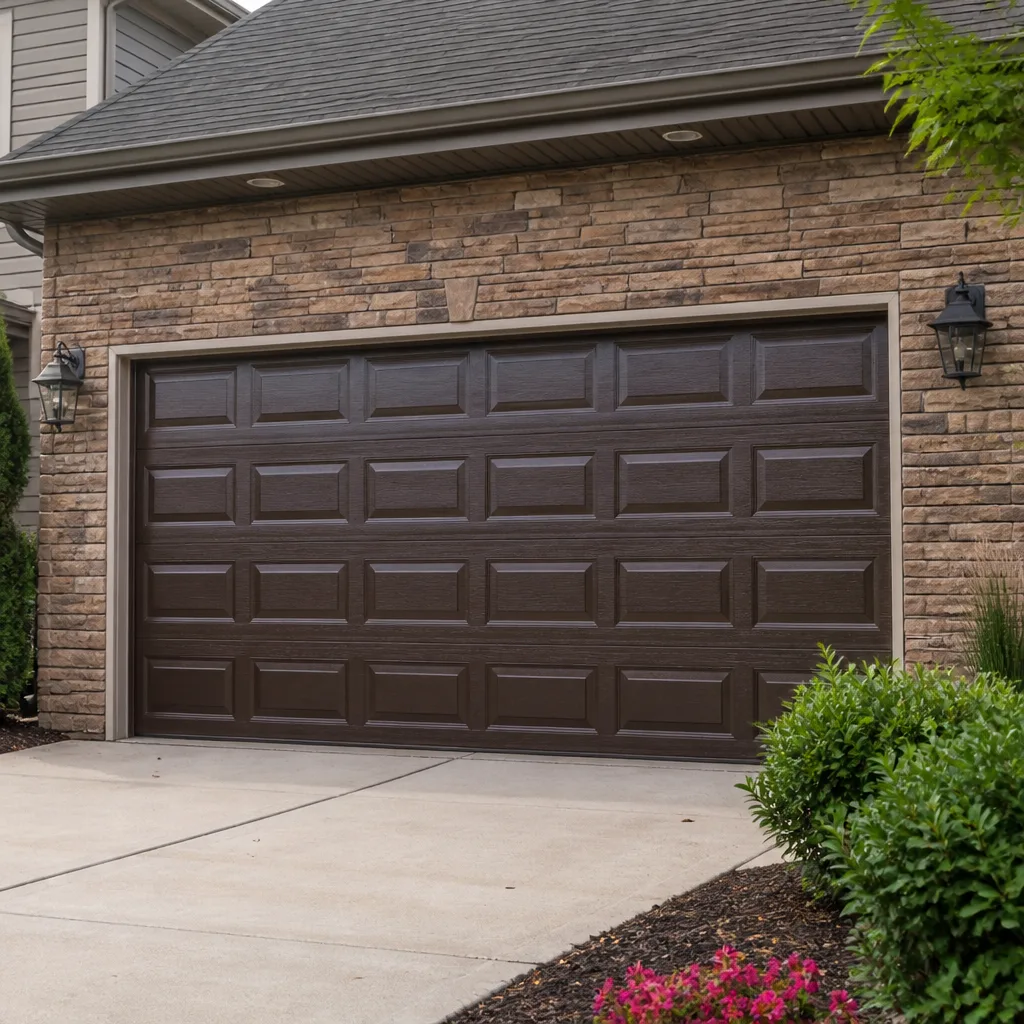 Raised-panel steel
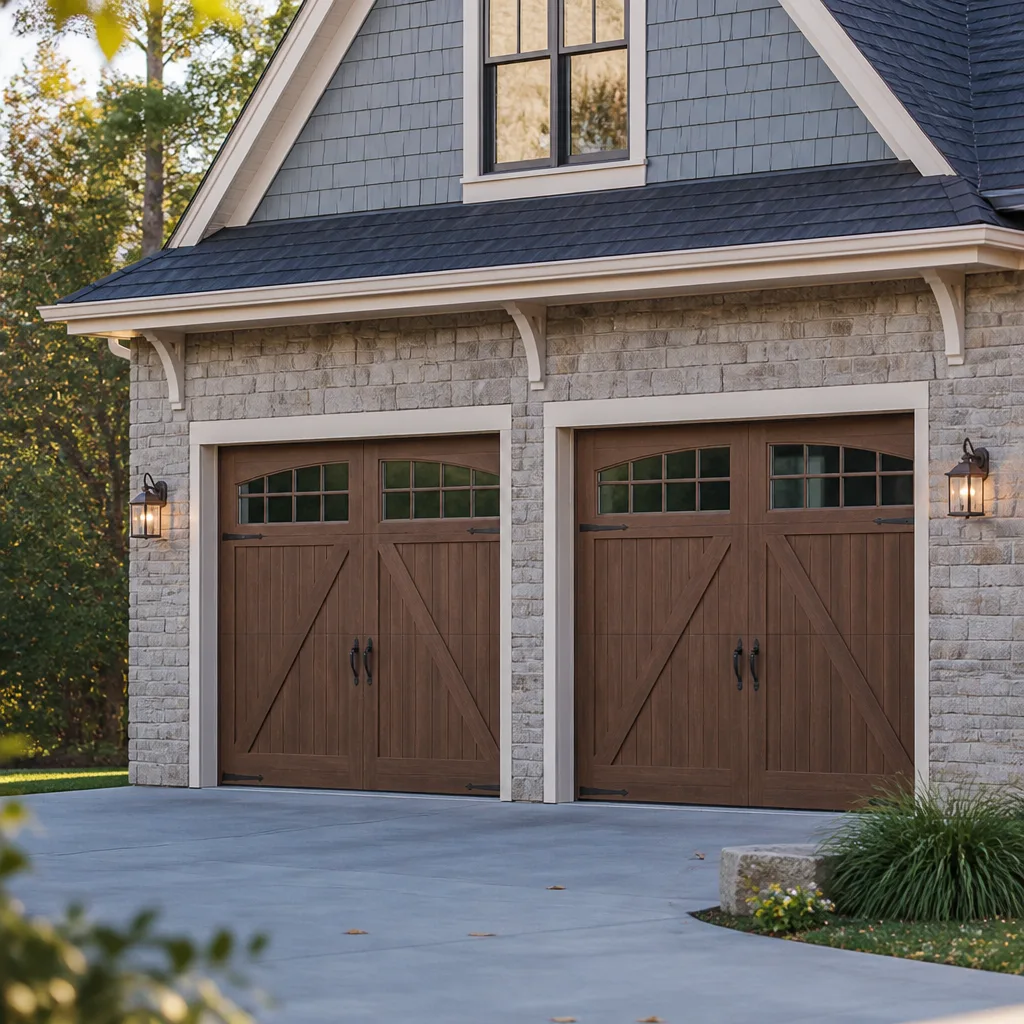 Carriage house
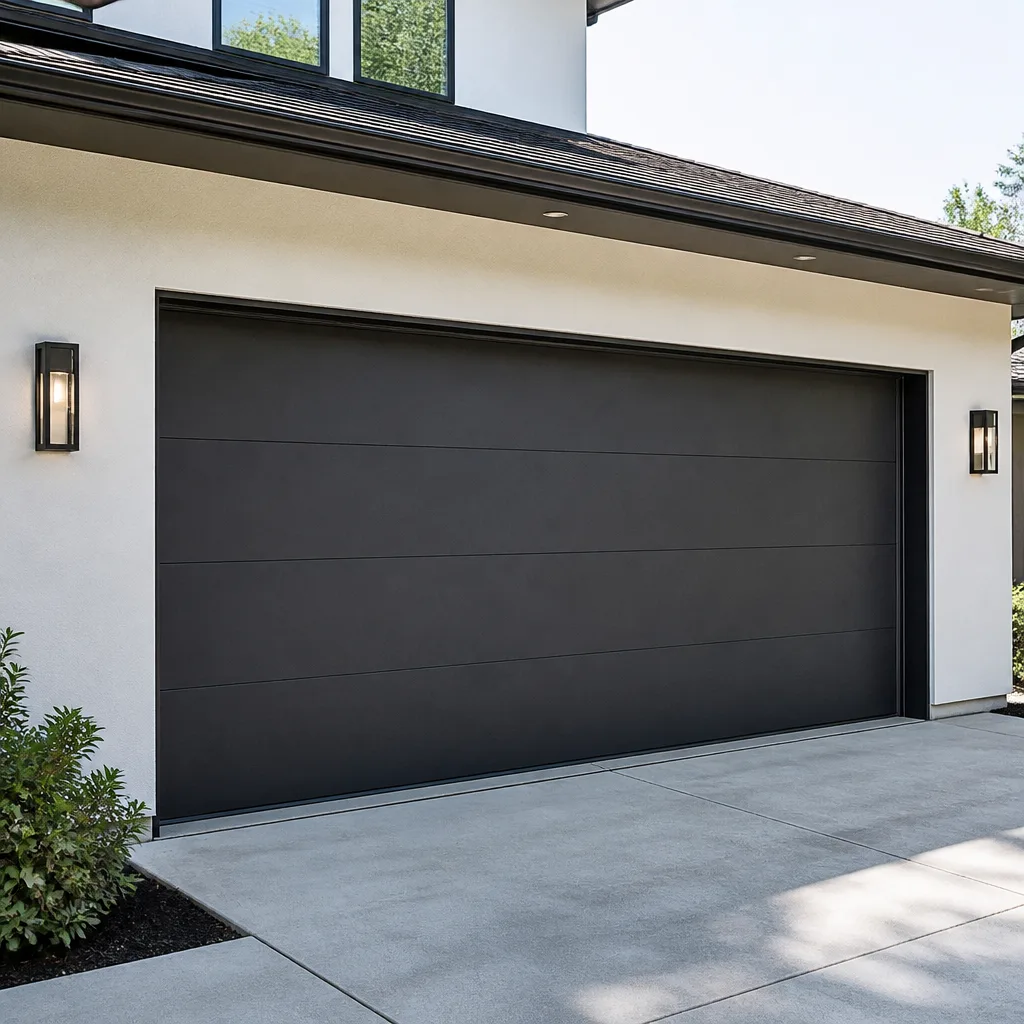 Modern flush
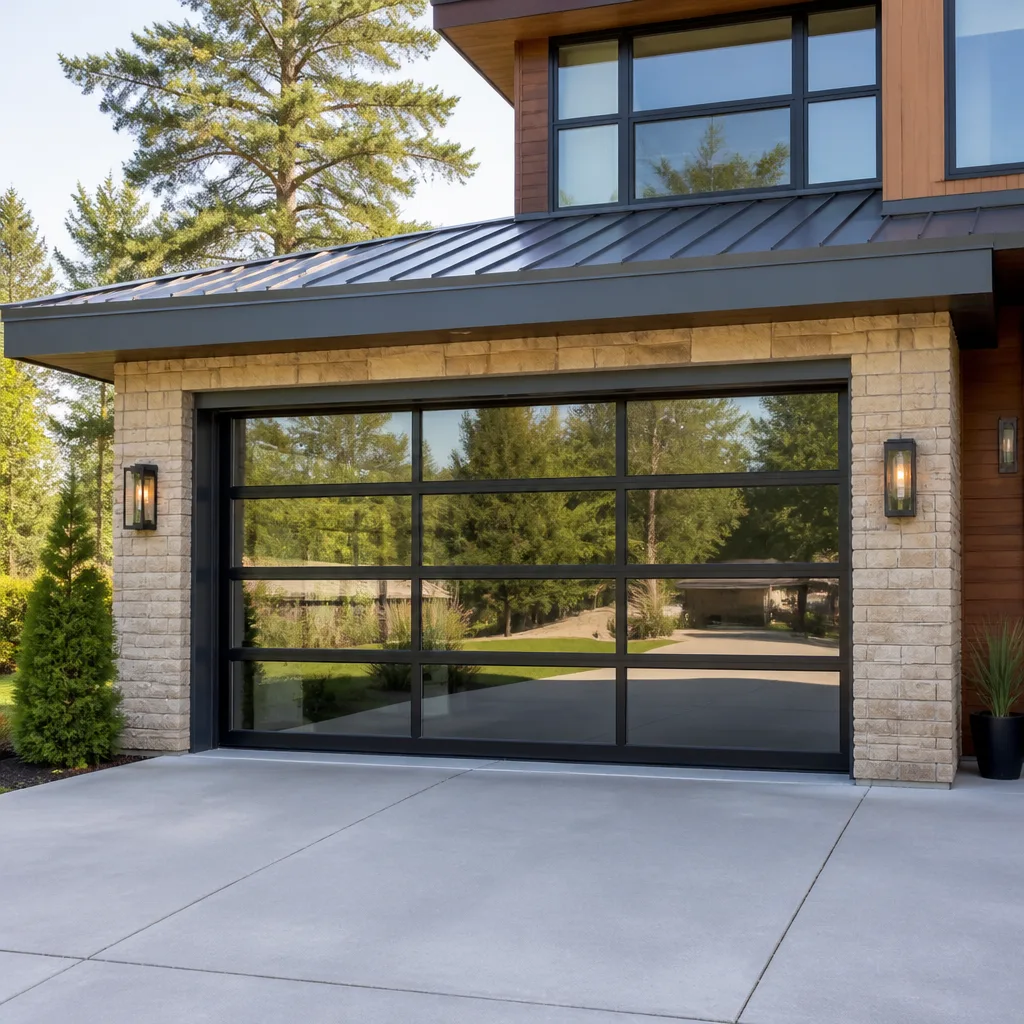 Full-view glass
 LiftMaster openers
 Chamberlain openers
Full 25-point door and opener safety check with every visit - springs, cables, rollers, tracks, and your LiftMaster or Chamberlain opener included
You get a price before we start. It does not change when the pro arrives.
Get your free estimateSeasonal Garage Door Care for Bustleton: Year-Round Homeowner’s Guide
Most seasonal garage door guides spread maintenance evenly across four seasons, as if spring, summer, fall and winter each deserve the same attention. In Bustleton, they don’t. Doors here fail most often in February and March, and the reason isn’t one brutal cold snap. It’s the slow grind of freeze-thaw cycling across weeks of fluctuating temperatures, working metal fatigue toward its limit while springs, cables and weatherstripping quietly give way. A door that felt fine in October can be weeks from a snap by late February. This guide reorders the calendar around when things actually break in Bustleton, walking you through what to check before winter, what to watch mid-season, and the late-winter inspection window that catches fatigue before it becomes a breakdown.
Quick Answer
Garage door care in Bustleton follows a front-loaded calendar: the critical work happens before winter and during the February-to-March thaw, not in a tidy four-season rotation. Prioritize spring, bottom seal and opener sensitivity checks in late fall, watch cables and rollers after ice storms, and schedule a late-February inspection to catch freeze-thaw fatigue before spring snap season peaks. Summer humidity and fall temperature drops each need their own adjustments, but the heaviest risk sits in the cold months.
Styles & brands we work with
- Raised-panel steel
- Carriage house
- Modern flush
- Full-view glass
- LiftMaster openers
- Chamberlain openers
Table of Contents
- Why Bustleton Garage Doors Fail Most in Late Winter
- Pre-Winter Prep: The Three Components That Matter Most
- Mid-Winter Protocol: Ice Storm vs. Heavy Snowfall
- The Late-Winter Inspection Window
- Summer Humidity: Wood Composites and Track Alignment
- Fall Adjustment Checklist
- Common Mistakes to Avoid
- When to Call a Professional
Why Bustleton Garage Doors Fail Most in Late Winter
The failure pattern in Bustleton isn’t about a single deep freeze. It’s about repetition. Through January and February, temperatures here swing above and below freezing repeatedly, and every cycle does a little damage. Metal expands when it warms and contracts when it cools, and your garage door’s springs and cables absorb that movement thousands of times over a season. Springs are under constant tension even when the door is idle, and that tension combined with thermal cycling is what pushes fatigued metal past its breaking point.
The contraction effect reaches beyond springs. Cables tighten in the cold, and a cable that was properly tensioned in mild weather can begin to bind. Weatherstripping that stayed pliable in autumn hardens and cracks, letting cold air and moisture into the garage. Rollers stiffen. Even the opener’s force settings, calibrated in warmer months, can fall out of step with a door that suddenly moves heavier than it did in October.
What makes Bustleton’s pattern distinct is the timing. A door doesn’t fail in the coldest week; it fails in the thaw that follows, when the accumulated fatigue of weeks of cycling finally exceeds what the component can bear. That’s why late February and early March are the peak window. Understanding this timing is the whole point of front-loading your maintenance calendar. If you prepare in fall and inspect in late winter, you’re working with the climate instead of reacting to it.
Homeowners who treat seasonal care as a spring cleaning ritual miss this entirely. By the time spring arrives, the highest-risk weeks have already passed. The checklist below is built to put your effort where the failures actually happen in Bustleton.
Pre-Winter Prep: The Three Components That Matter Most
Cold weather doesn’t stress every part of a garage door equally. Three components carry the most risk from thermal contraction, and they deserve focused attention before the first hard freeze. Getting these right in late fall is the single highest-value maintenance you’ll do all year in Bustleton.
1. Springs
Torsion and extension springs are under constant load, and cold makes the metal less forgiving. Listen for a door that sounds heavier than usual or hesitates on the way up. Look at the spring coils for visible gaps or a stretched, uneven profile. If a spring has visibly separated or the door won’t lift smoothly, stop operating it and call a professional. Springs are among the most mechanically dangerous parts of the whole system, and they’re never a do-it-yourself job.
2. Bottom Seal
The bottom seal is your first line of defense against cold air, snowmelt and moisture. Run your hand along it on a mild day and check for hardening, cracking or gaps where it meets the floor. A seal that’s gone stiff won’t compress properly, and that lets in the very moisture that accelerates corrosion on the tracks and hardware. Replacing a worn bottom seal in fall is far easier than dealing with the drafts and water intrusion it causes all winter.
3. Opener Sensitivity Settings
Your opener’s force and travel limits were probably set when the weather was warm. As temperatures drop, the door moves heavier, and a setting that worked fine in September can cause the opener to strain or reverse unexpectedly. Test the auto-reverse by placing a solid object in the door’s path and confirming it reverses on contact. If the door is slow to respond or reverses without an obstruction, the sensitivity needs adjustment. On newer Wi-Fi-connected units from brands like Chamberlain or LiftMaster this is often done through the app; on older mechanical openers it’s a set of dials on the motor housing.
Handle all three before the cold settles in. Once winter is underway, you’re in monitoring mode rather than prep mode, and the difference is real.
Mid-Winter Protocol: Ice Storm vs. Heavy Snowfall
Not all winter weather stresses a garage door the same way. An ice storm and a heavy snowfall load different components, and knowing which is which tells you what to inspect afterward. In Bustleton, both happen, sometimes days apart.
After an Ice Storm
Ice is the harder test for your hardware. Freezing rain glazes the door panels, the tracks and the hinges, and the weight of accumulated ice adds load the opener wasn’t designed to move. After an ice storm, check the following:
- Cables: look for binding, fraying or slack. Cold-contracted cables are at higher risk of coming off a drum.
- Hinges and rollers: confirm they aren’t frozen solid. A frozen roller can force the door off track.
- Bottom seal: check for ice bonded to the seal that could tear it when the door opens.
- Track alignment: ice can shift a track slightly, and a misaligned track is a leading cause of doors coming off their rails.
Never force a door that’s frozen to the ground. Free it carefully first, or call for help if it won’t release.
After Heavy Snowfall
Snow loads the top and sides of the door and piles up against the bottom seal. The main risks are different:
- Snow packed against the bottom seal: clear it so the seal isn’t compressed or torn as the door closes.
- Roof and header snow: heavy accumulation over the opening can stress the framing that holds the tracks.
- Drifted snow in the tracks: even a small drift will stop the door mid-travel and can bend a roller.
Clear snow from around the door before operating it, and never chip ice out of the tracks with a metal tool. Both storms demand a look afterward, but you’re checking different parts of the system.
The Late-Winter Inspection Window
This is the section most seasonal guides skip, and it’s the most important one for Bustleton. Late February is your inspection window, the point where weeks of freeze-thaw cycling have done their damage but the spring snap season hasn’t peaked. Catching fatigue now means you replace a spring on your schedule instead of discovering it broken on a morning when you need the car.
Walk through this sequence in late February:
- Listen to the door. A door that groans, squeaks or hesitates more than it did in the fall is telling you something.
- Watch the balance. Disconnect the opener and lift the door halfway by hand. It should stay put. If it drops or rises on its own, the springs are out of balance.
- Inspect the springs visually. Look for gaps in the coils, a stretched profile, or any sign the metal has lost its shape. Do this from a safe distance, never with your hands near the springs.
- Check the cables. Look for fraying, kinks or slack along the length. Never touch a cable under tension.
- Test the auto-reverse. Confirm the door reverses when it meets an object, and that the safety sensors at the base are clear and working.
- Examine the bottom seal. Winter does its worst to the seal. Check for hardening, cracks or separation from the door.
This inspection tells you whether your door survived the season or is running on borrowed time. If you find a problem you can’t resolve safely, that’s when a professional visit pays for itself, before the spring snap season puts a door out of commission. Many Bustleton homeowners find that a single late-February check catches the exact component that would have failed in March.
Summer Humidity: Wood Composites and Track Alignment
Bustleton’s summers bring humid air that does its own kind of damage, especially to certain door materials. If your garage door is a wood composite or has a wood frame, humidity is the seasonal threat to watch. Wood absorbs moisture and swells, and cycles of swelling and drying can warp panels, open seams and stress the joints where hardware attaches.
Check composite and wood doors in summer for:
- Panel warping or bowing: a sign that moisture has penetrated the material.
- Paint or finish peeling at seams: moisture escaping from inside the wood.
- Loose hinges or hardware: swelling wood can pull screws loose over a season.
An attached garage without climate control is where the track alignment problem shows up most in summer. Heat and humidity cause the structure to shift slightly, and steel tracks move with it. A track that was perfectly aligned in spring can be fractionally off by August, and even a small misalignment causes the door to bind, drag or run unevenly. Listen for grinding or scraping as the door travels, and watch for a gap between the rollers and the track. A door that hesitates in summer is often telling you the tracks need realignment. Brands like Wayne Dalton and Amarr are common on Bustleton homes, and both respond the same way to a track that’s drifted out of true. Keep the tracks clean and free of debris, but leave any realignment to a technician, since adjusting a track under a loaded door is a job for proper tools and training.
Fall Adjustment Checklist
Fall is when you set the door up to survive winter. The goal is to have everything lubricated, adjusted and calibrated before the cold arrives, so the door is running at its easiest when temperatures drop. This is also the time to reverse the summer habits: re-lubricate with products rated for cold, and reset the opener’s force sensitivity as the weather cools.
Work through this checklist as temperatures fall:
- Re-lubricate with cold-rated products. Standard lubricants thicken in the cold and can make the door harder to move. Use a lubricant rated for low temperatures on hinges, rollers and the torsion bar bearings. Don’t lubricate the tracks themselves.
- Clean the tracks. Wipe out dirt and old grease, then check alignment. A clean, true track is half the battle against winter binding.
- Reset the opener’s force and travel limits. As the door moves heavier, re-test and adjust the sensitivity so it reverses on contact and runs without strain. Smart systems from brands like Craftsman and Raynor often have app or remote calibration; legacy mechanical units use dials on the motor.
- Test the auto-reverse and safety sensors. Place an object in the door’s path and confirm it reverses. Clear and align the sensors at the base.
- Inspect and replace the bottom seal if needed. A fresh seal going into winter keeps cold air and snowmelt out.
- Listen and watch on a test run. Operate the door fully and note any squeak, hesitation or uneven travel. Fix small issues now, not in February.
The fall adjustment is where you earn the easy winter. Every component you calibrate now is one less thing to fail in the thaw.
The Bustleton Seasonal Calendar at a Glance
If you want a simple reference to hang on the garage wall, here’s the whole year compressed into when to act:
- Late fall (before the freeze): prep springs check, replace a worn bottom seal, reset opener sensitivity and re-lubricate with cold-rated products.
- Mid-winter: after an ice storm, check cables, hinges, rollers and track alignment. After heavy snow, clear the seal and tracks before operating.
- Late February: run the full inspection sequence to catch freeze-thaw fatigue before spring snap season.
- Summer: check wood and composite panels for warping, and watch track alignment in an attached garage without climate control.
- Throughout: listen for changes in sound and balance, since those are your earliest warnings.
The logic is simple. Front-load your effort where Bustleton’s climate does the most damage, and you’ll spend less time and money reacting to breakdowns the rest of the year.
See the difference
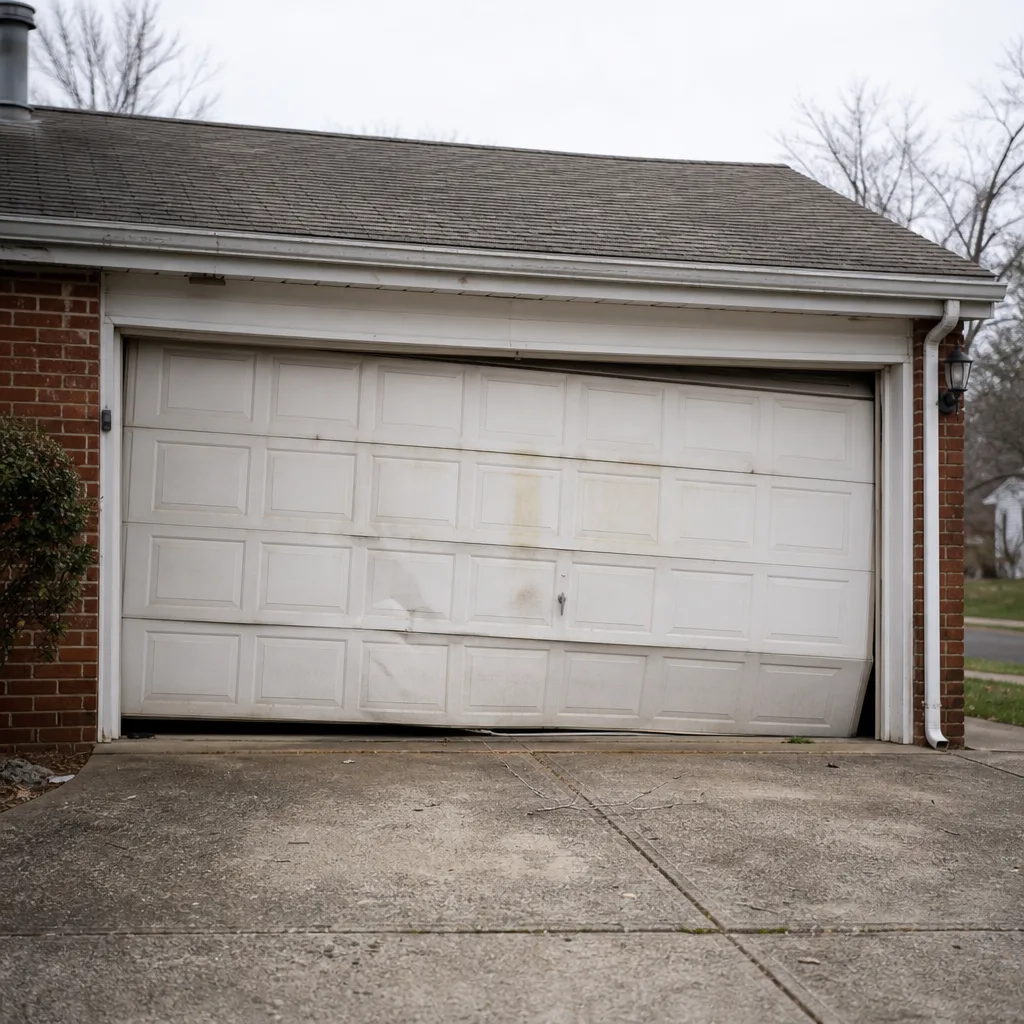 Before
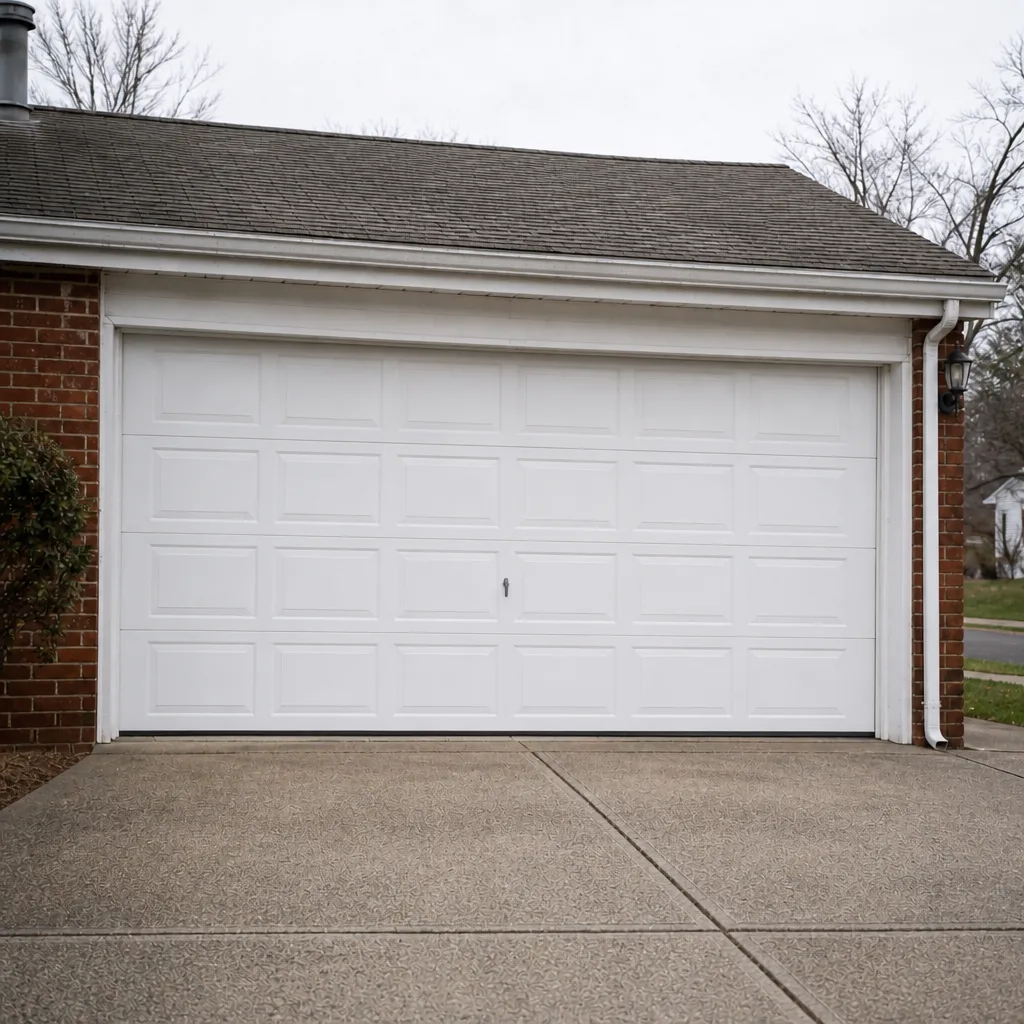 After
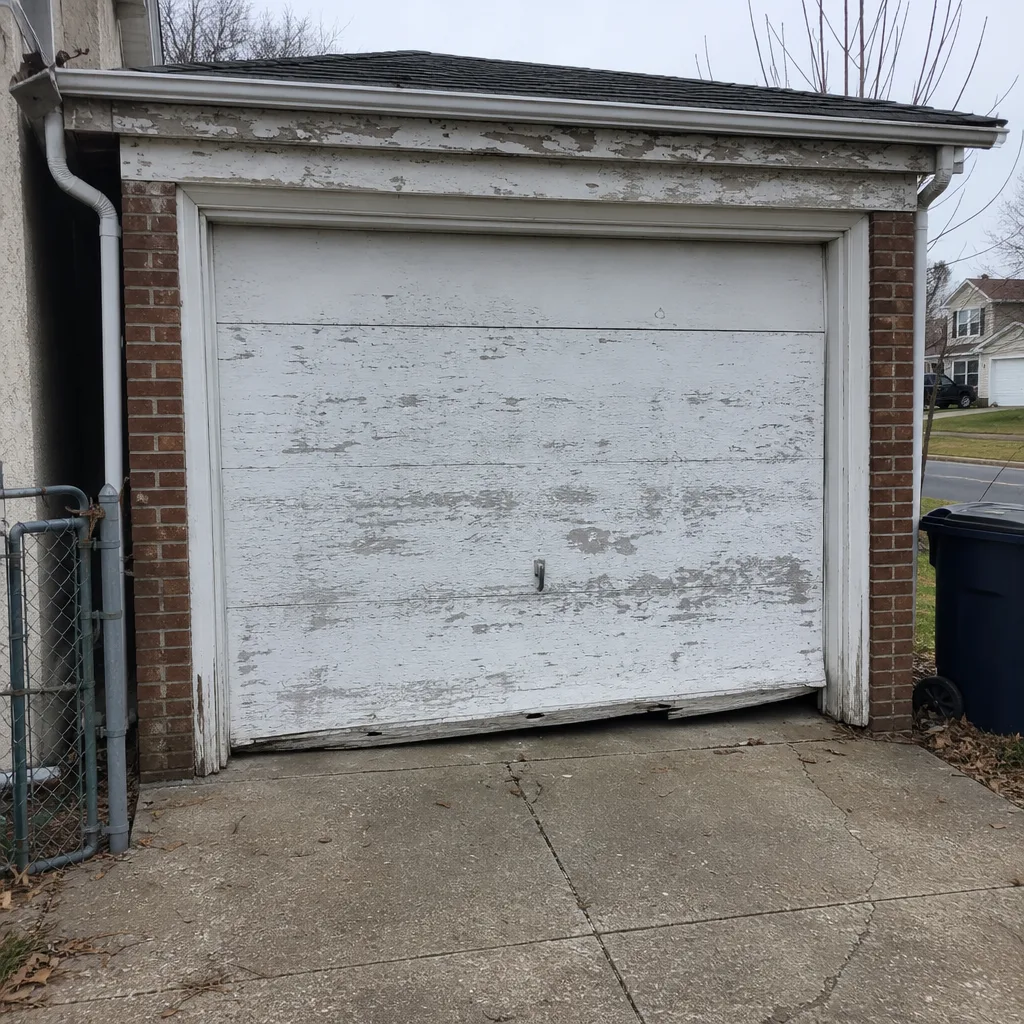 Before
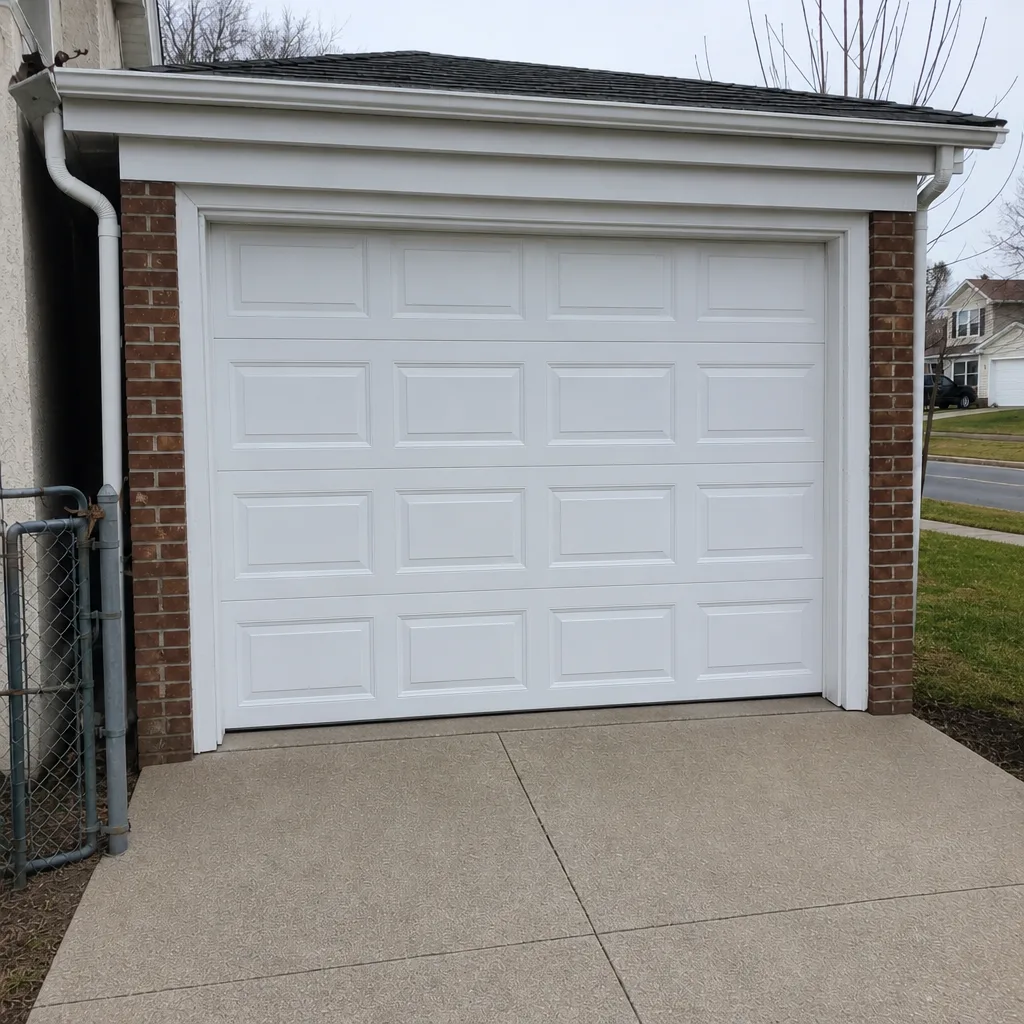 After
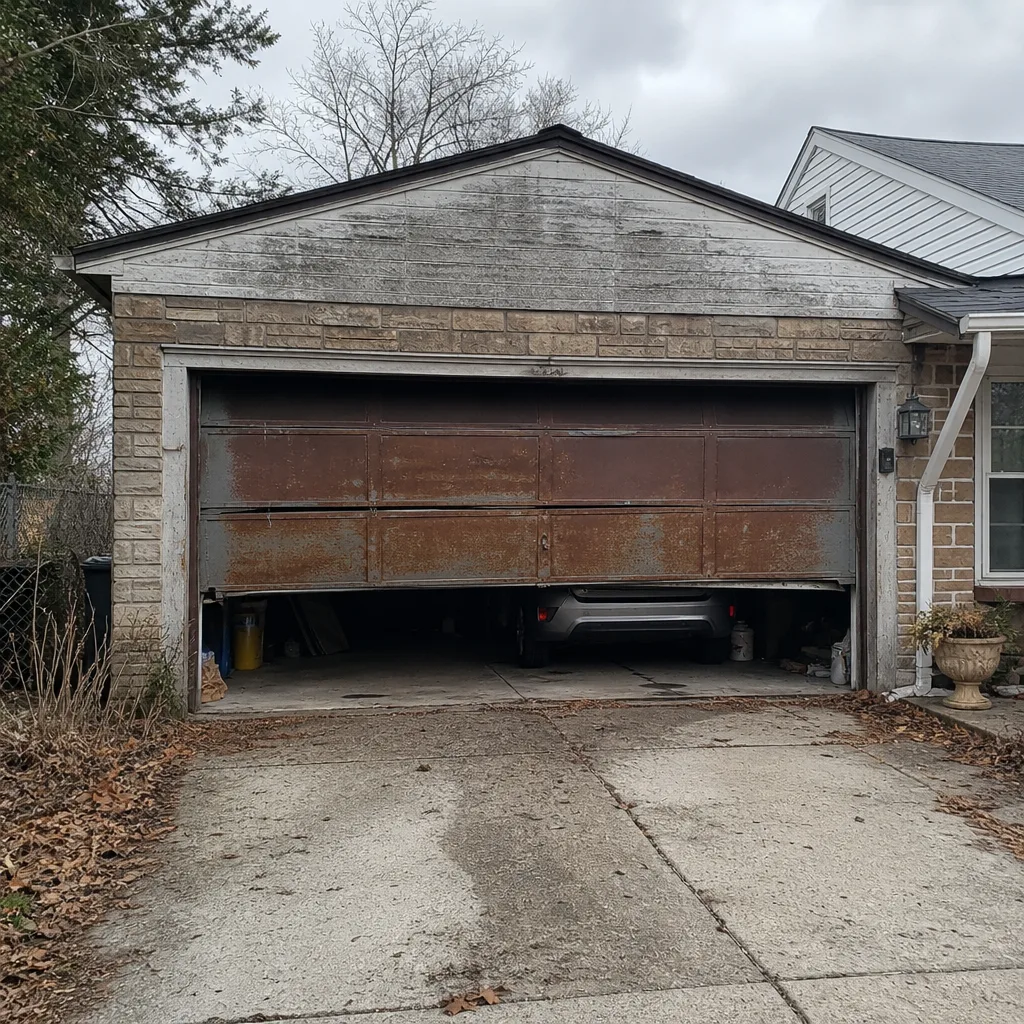 Before
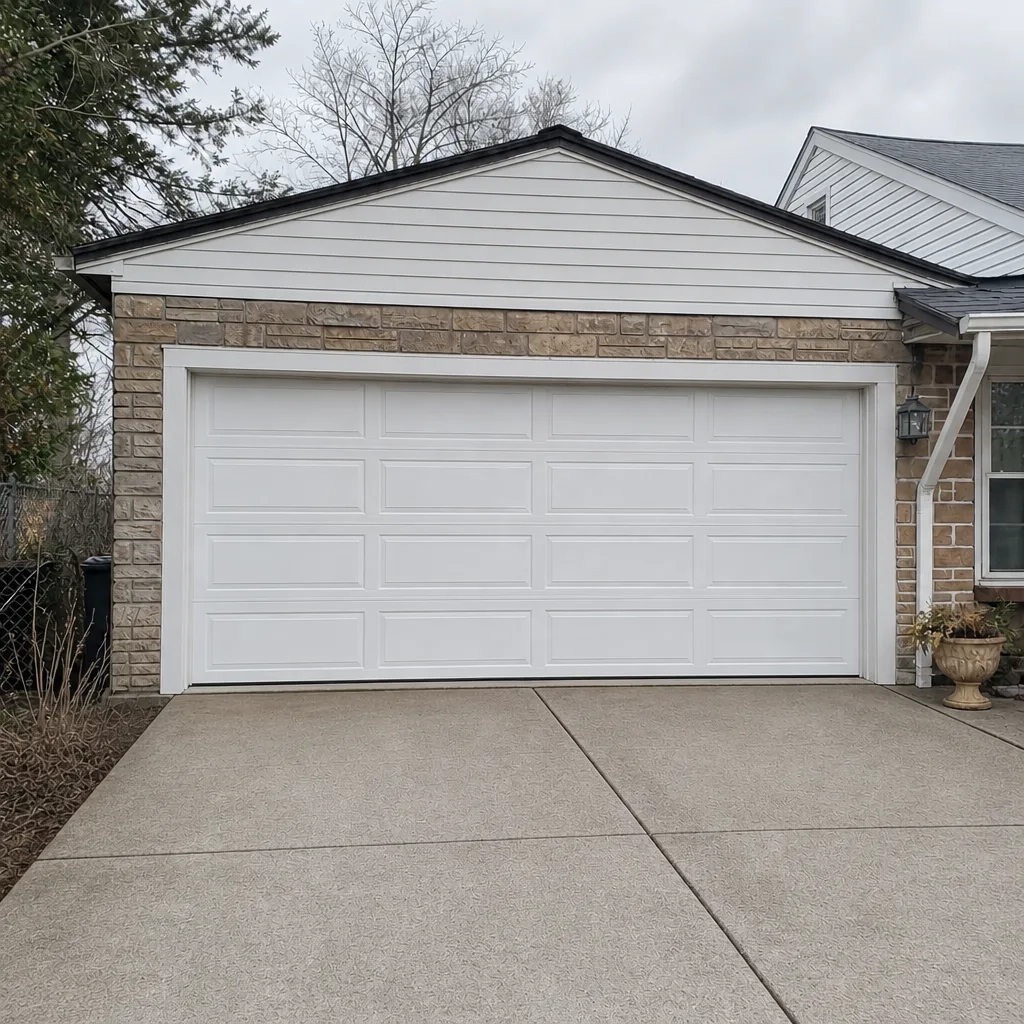 After
How Our Technicians Approach This Work
Seasonal care is only as good as the diagnosis behind it. Our technicians have up to 9 years of experience, and they’re trained on eight major brands: LiftMaster, Chamberlain, Genie, Clopay, Amarr, Wayne Dalton, Craftsman and Raynor. That matters because a seasonal inspection isn’t a generic walk-around. It’s knowing how a particular opener’s force settings behave in the cold, or how a specific door model’s springs are likely to fatigue. When something needs repair, we diagnose rather than guess, and one call covers the whole job: repair, opener work, garage door installation and emergency response.
Spring work gets special attention because it’s the highest-risk part of the trade. Torsion and extension springs are under enormous tension, and a failure can injure someone standing nearby. We treat garage door spring repair as a core specialty, handled with the proper tools and training rather than tacked onto a general repair visit. If your late-winter inspection turns up a fatigued spring, that’s exactly the kind of work that should never wait for a DIY attempt.
Opener issues come up in every season, from Wi-Fi-connected systems that need recalibration to legacy mechanical units that need a part. When a door won’t respond, garage door opener repair is part of the same call. And when a door won’t open or won’t close and it truly can’t wait, Garage Door Repair Bustleton treats emergency service as a named offering, not a reluctant exception. Whether the door needs a small adjustment or a full garage door repair, the goal is the same: get it right the first time, with a single point of contact.
Common Mistakes to Avoid
Most garage door problems that turn into emergencies started as small oversights. Here are the ones we see most in Bustleton.
- Treating all four seasons as equal maintenance intervals. The even-rotation calendar ignores the late-winter failure peak. Front-load your prep before the freeze and inspect in late February.
- Forcing a frozen door. When a door is frozen to the ground after an ice storm, forcing the opener strains the springs, cables and motor all at once. Free it carefully or call for help.
- Using the wrong lubricant in cold weather. Thick summer lubricant can make a door harder to move in the cold. Switch to a cold-rated product in fall.
- Skipping the opener sensitivity reset. A force setting calibrated in warm months can cause the door to reverse unexpectedly or strain in winter. Re-test and adjust it each fall.
- Ignoring track alignment after temperature swings. Summer heat and winter cold both shift tracks slightly. A small misalignment causes binding long before it becomes obvious.
- Trying to fix springs yourself. Spring repair is genuinely dangerous even for handy homeowners. The tension stored in a wound spring can release violently, and this is one job to hand to a trained technician.
- Waiting until the door breaks to look at it. Listening and watching on each test run catches problems while they’re still cheap to fix. The late-February inspection exists for exactly this reason.
When to Call a Professional
Some seasonal checks are yours to do, and some aren’t. Call a professional if a spring has visibly separated or the door won’t balance when lifted by hand. Call if a cable is frayed, kinked or slack, since cables under tension are dangerous to touch. Call if the door has come off its tracks, or if the opener strains, reverses without an obstruction, or won’t respond. Call after an ice storm if the door is frozen solid or won’t travel evenly. And call if the bottom seal is torn and letting in moisture that’s corroding the hardware.
The late-February inspection is the ideal time to bring in a technician, since it catches freeze-thaw fatigue before the spring snap season peaks. Garage Door Repair Bustleton offers free estimates in Bustleton, with upfront pricing quoted and agreed before any work starts. Call (844) 940-3088. We answer 24/7. Fast dispatch from 7am to 7pm, Sunday through Friday.
Frequently Asked Questions
Late fall for prep and late February for inspection are the two highest-value times in Bustleton. Late-winter failings from freeze-thaw cycling peak in February and March, so a late-February check catches fatigue before the spring snap season. If you can only do one, make it the fall prep so the door is calibrated going into winter.
Springs break more in late winter because weeks of freeze-thaw cycling fatigue the metal under constant tension. Each warm-up and cool-down expands and contracts the spring, and the accumulated fatigue peaks in the February-to-March thaw. A late-winter inspection is designed to catch a spring that’s close to failing before it snaps. If you suspect a spring is failing, call (844) 940-3088 for an exact quote, since estimates are free.
An ice storm stresses cables, hinges, rollers and track alignment through the weight of frozen glaze. Heavy snowfall stresses the bottom seal and tracks through accumulation and drifting. After an ice storm, check cables and track alignment; after heavy snow, clear the seal and tracks before operating the door. Both warrant a look, but you’re inspecting different components.
Summer humidity can damage wood composite and wood-framed doors by swelling the material and stressing hardware joints. It also causes slight track misalignment in an attached garage without climate control. Check composite panels for warping and watch for binding or grinding that signals a track has drifted. If the track needs realigning, leave it to a technician.
Yes, use a cold-rated lubricant in fall before temperatures drop. Standard lubricant thickens in the cold and makes the door harder to move, while a cold-rated product keeps the door running smoothly through winter. Lubricate hinges, rollers and torsion bar bearings, but never the tracks themselves.
The local professionals we connect you with are licensed and insured as their state requires. Our technicians have up to 9 years of experience and are trained on eight major brands covering most residential doors and openers. Call (844) 940-3088 for an exact quote, since estimates are free.
The Bottom Line
Bustleton garage doors don’t fail on an even four-season schedule. They fail in late winter, when freeze-thaw cycling has worked springs, cables and seals to their limit. The fix is to reorder your calendar around where the risk actually sits: prep the springs, bottom seal and opener sensitivity before the freeze, watch cables and rollers after storms, and run a late-February inspection to catch fatigue before the spring snap season peaks. Summer humidity and fall temperature drops each need their own adjustments. Do the work when the climate warns you, and the door keeps running the rest of the year.
If a spring looks doubtful, a cable is frayed, or the door won’t balance, call (844) 940-3088 for a free estimate. We answer 24/7. Fast dispatch from 7am to 7pm, Sunday through Friday, and the price is quoted and agreed before any work starts.
Written by the team at Garage Door Repair Bustleton.