
Last updated November 21, 2026
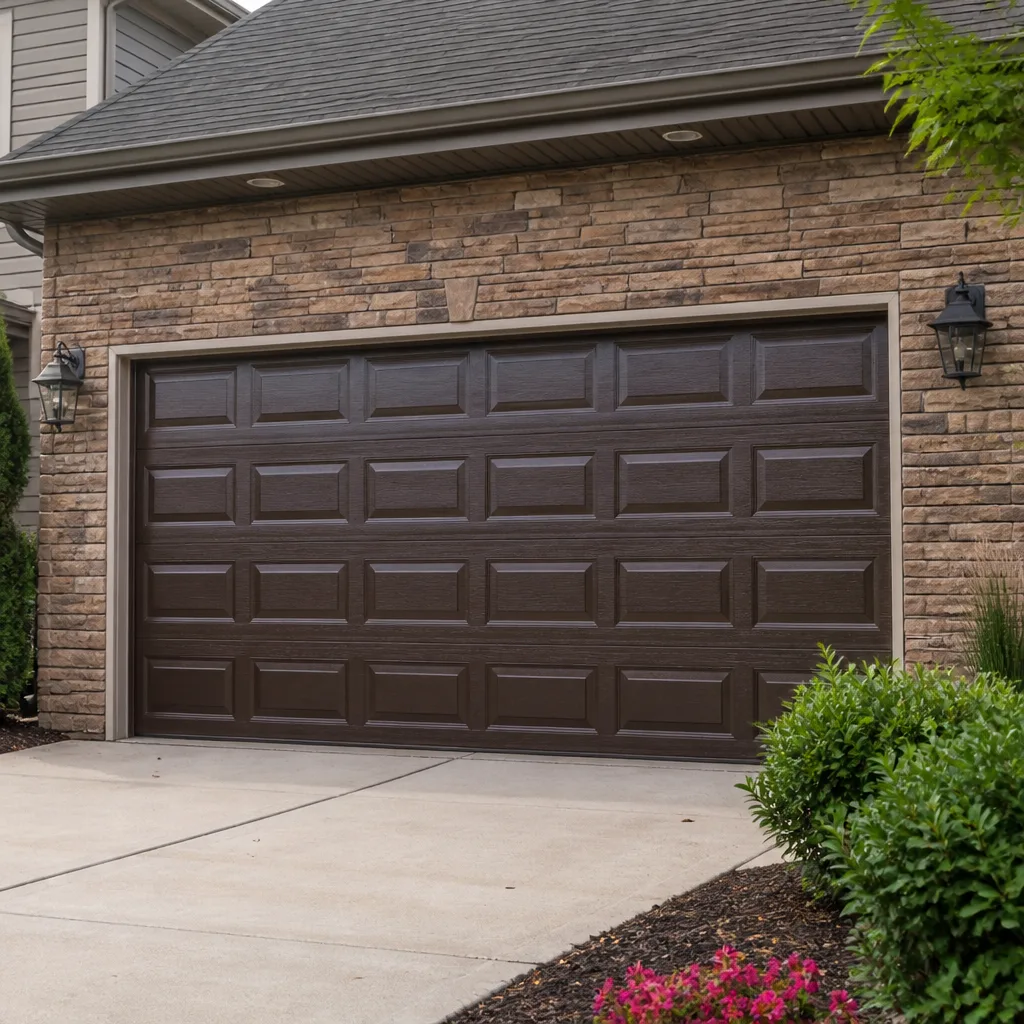 Raised-panel steel
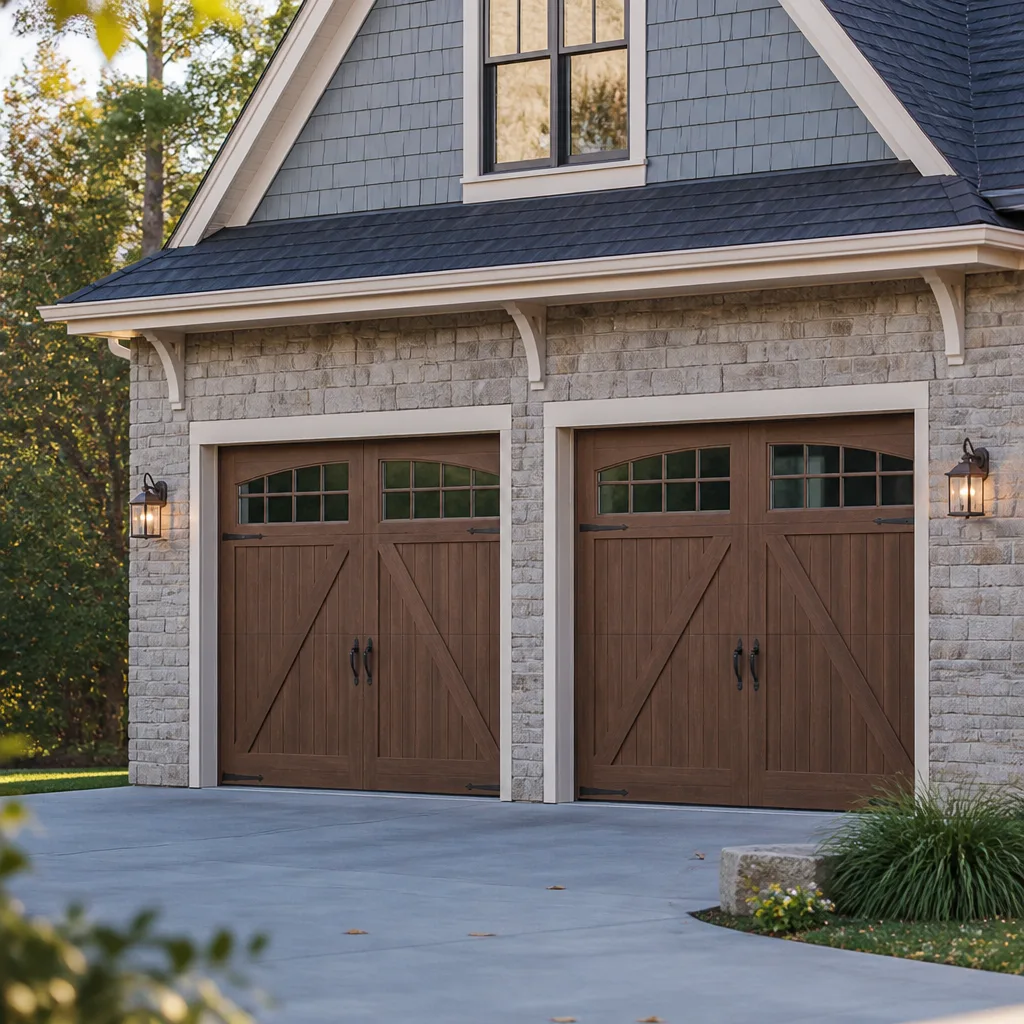 Carriage house
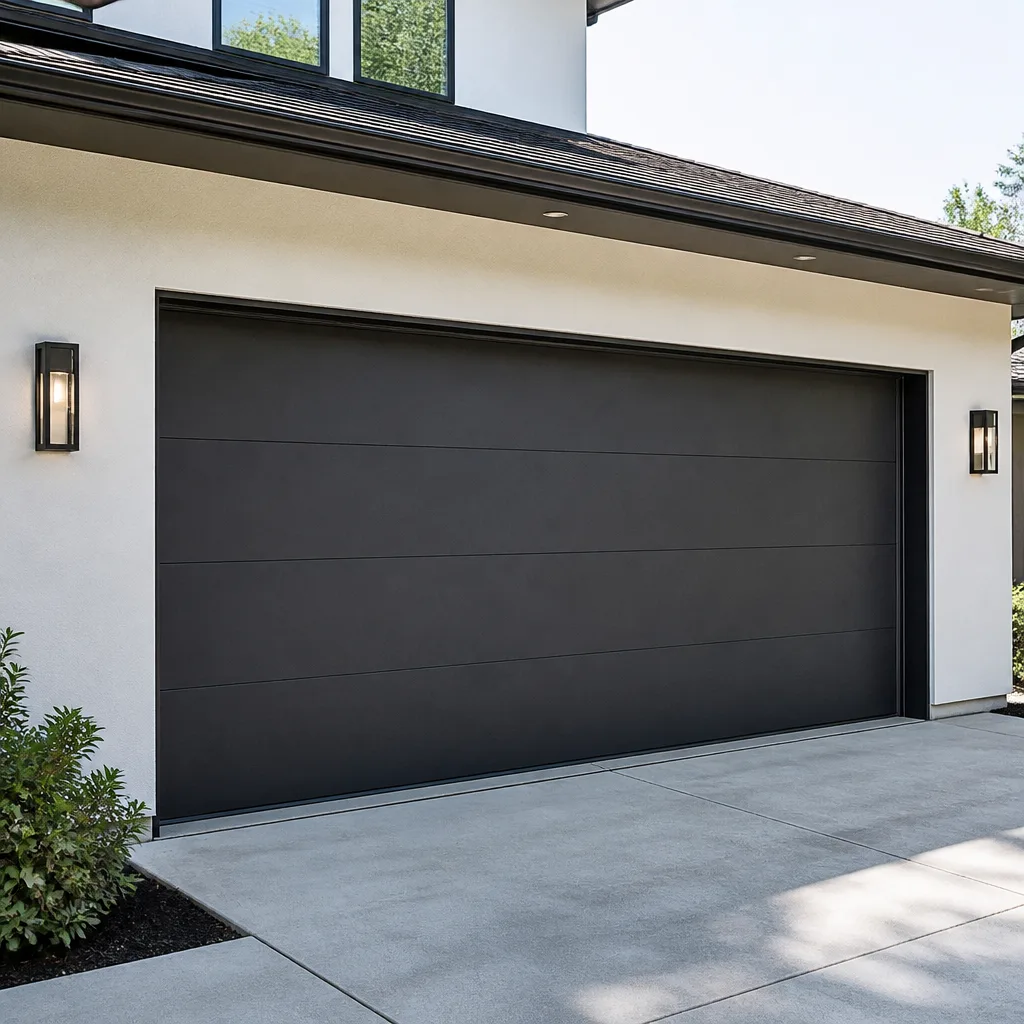 Modern flush
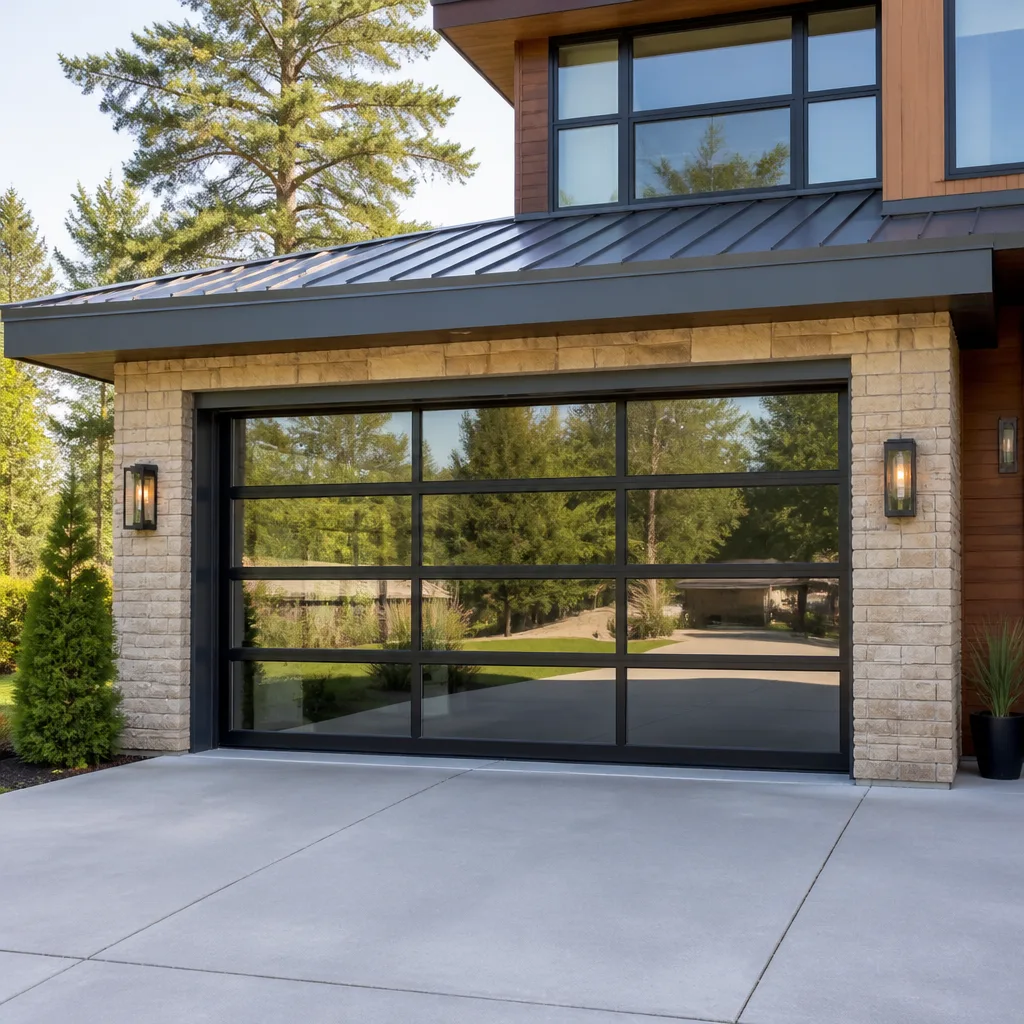 Full-view glass
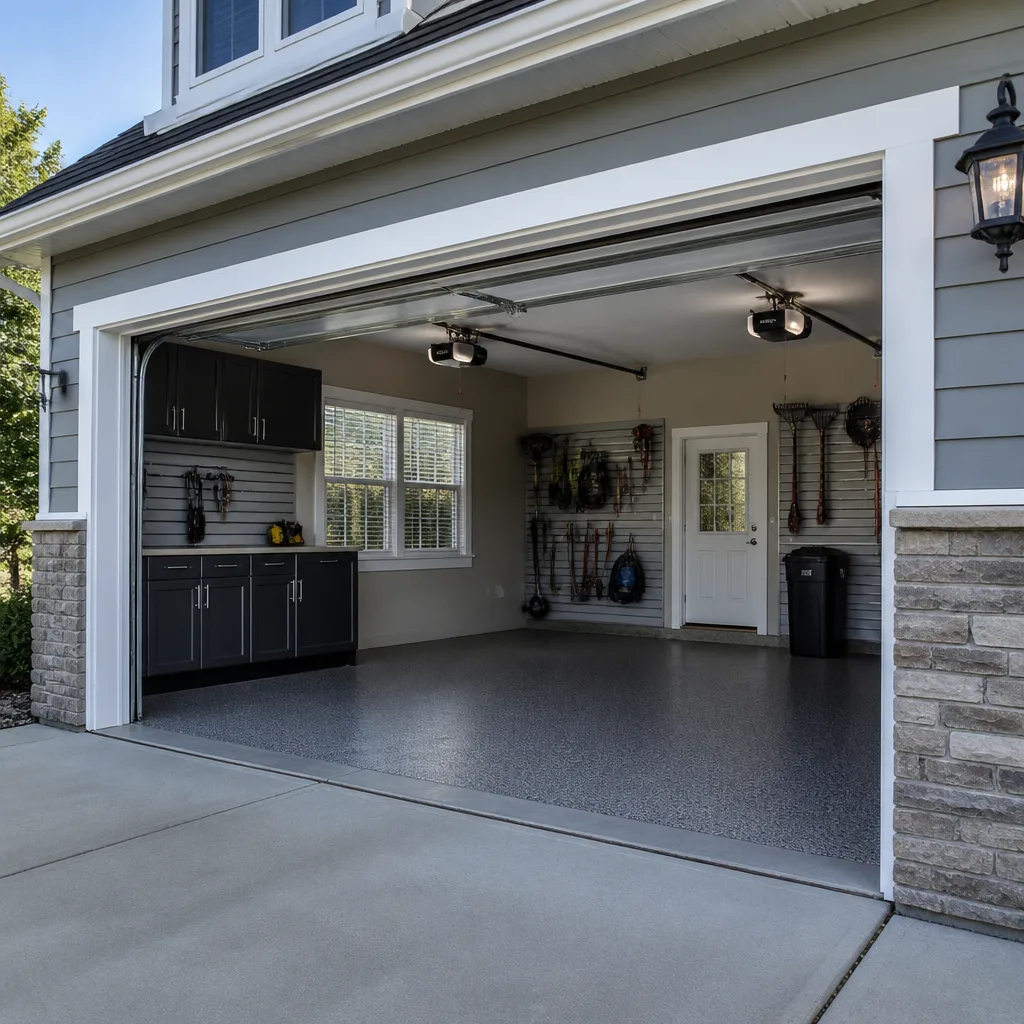 LiftMaster openers
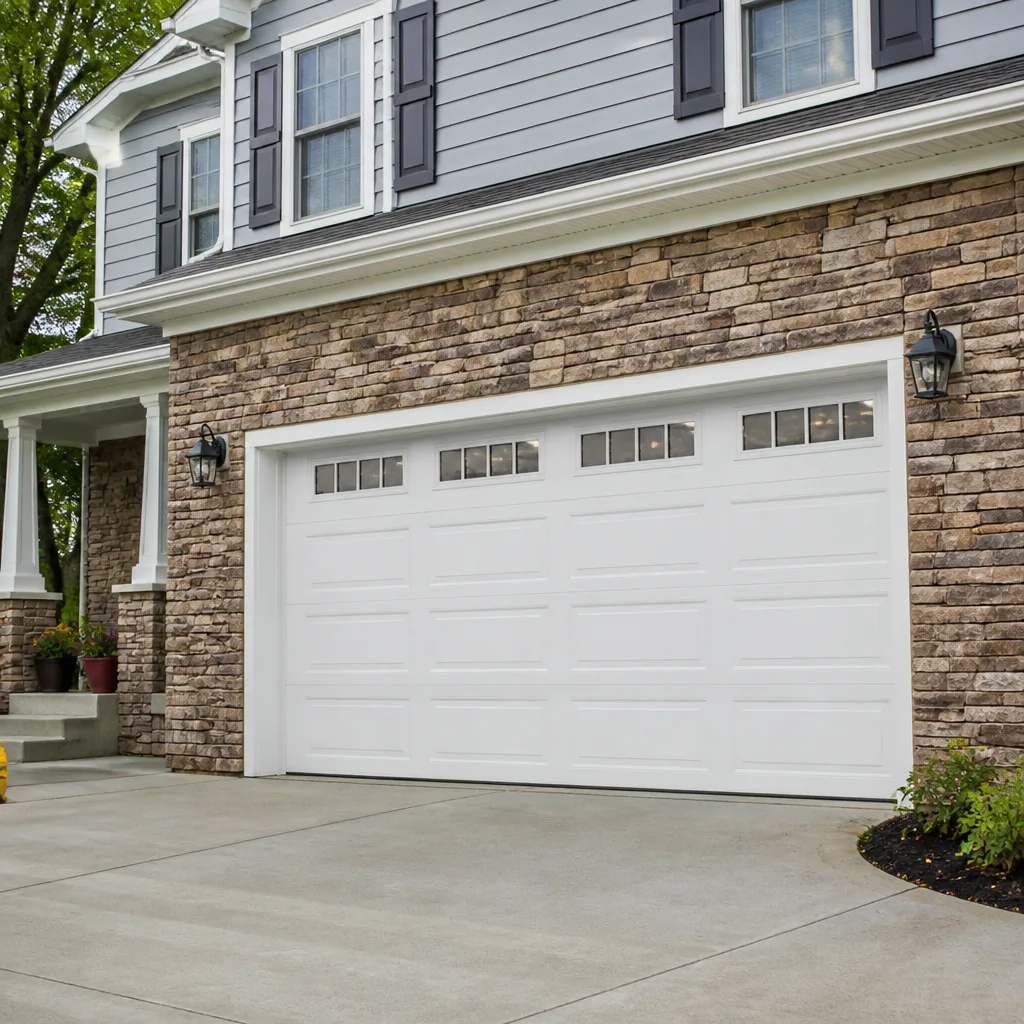 Chamberlain openers
Full 25-point door and opener safety check with every visit - springs, cables, rollers, tracks, and your LiftMaster or Chamberlain opener included
You get a price before we start. It does not change when the pro arrives.
Get your free estimateGarage Door Warning Signs: A Bustleton Homeowner’s Reference Guide
Most warning-sign guides are written for the wrong moment. They describe a door that has already failed: the snapped cable, the opener that won’t respond, the door frozen half-open. By then you’re not reading a guide, you’re making a phone call. A garage door rarely fails without notice. It gives you weeks of quieter signals first – a slightly longer pause before the opener engages, a new grinding note at the top of travel, a door that needs a second press of the button. Bustleton homeowners drive through a door every day, twice a day, and most don’t have a name for those early sounds. This reference gives you one, so you can act on a symptom while it’s still a repair rather than a crisis.
Styles & brands we work with
- Raised-panel steel
- Carriage house
- Modern flush
- Full-view glass
- LiftMaster openers
- Chamberlain openers
Quick Answer
The core warning signs of a failing garage door are new or worsening sounds (grinding, squealing, popping, rattling), visible rust streaking or gaps in the spring coils, frayed or kinked cables, and an opener that hesitates, reverses mid-cycle, or loses remote range. Treat any sudden change as significant: a door that makes a noise it didn’t make last month is telling you a component is wearing. Rust on a torsion spring or a frayed cable warrants immediate professional attention – those parts are under extreme tension and fail without a further warning.
Table of Contents
- Why the Early Signals Matter More Than the Breakdown
- The Sound Diagnostic: What Each Noise Points To
- Visual Cues on Springs and Cables
- Behavioral Signs From Your Opener
- The Balance Test as a Diagnostic Tool
- When to Call Immediately vs. When to Monitor
- How Bustleton Weather Shapes Wear
- Common Mistakes to Avoid
- When to Call a Professional
- Frequently Asked Questions
Why the Early Signals Matter More Than the Breakdown
We understand the instinct to treat a garage door as a simple appliance: it goes up, it goes down, it stops when it breaks. In practice it’s a mechanical system with several loaded components working against gravity, and those components wear gradually rather than all at once. That gradual wear is the reason you can almost always get ahead of a failure – if you know what you’re looking for.
Consider the spring. A torsion spring cycles under load every time the door opens, and it shortens in tiny increments as it wears. Long before it lets go, its behavior changes: the door feels heavier, the opener runs a fraction longer, the balance test shows a lean. The signals appear while the spring still has life in it. The same logic applies to the opener gear, the cables, and the rollers. Each gives you warning. The trick is recognizing that a change you noticed is a diagnostic event rather than a nuisance.
Why does this matter in Bustleton specifically? Because a garage door here isn’t a decorative front door – it’s the primary way a car enters and leaves a home, and when it fails, it strands the vehicle or blocks entry. The difference between a monitored symptom and a crisis is often no more than two or three weeks. The homeowner who calls when the grinding first starts books a repair on their terms. The homeowner who waits calls when the door won’t close and needs a same-day response. Both are legitimate calls. The first is a lot less stressful.
This guide is built around that distinction. It covers what each signal means at the component level, how to read the balance of the door as a diagnostic, and how to triage – so you neither panic at normal wear nor ignore a genuine warning.
The Sound Diagnostic: What Each Noise Points To
Sound is the earliest and most reliable diagnostic signal a garage door gives you, and the sound itself tells you where to look. A door that has always made some noise is normal; a door that has developed a new note is not. The key question is always the same: is this noise louder, harsher, or more persistent than it was three months ago?
Here’s how the common garage door sounds map to components:
- Grinding, especially at the start or end of travel – usually the tracks, rollers or hinges. A rough grind as the door begins to move points to rollers with flat spots or a track that has shifted out of alignment. Waiting tends to turn a roller swap into a track repair.
- Squealing during travel – dry metal on metal. It can be worn rollers, a dry torsion shaft, or ungreased hinges. Squealing is often the least serious sound, but persistent squealing accelerates wear on everything nearby.
- Popping or a sharp crack at the top of travel – a genuine red flag. In our experience this most often points to a spring that’s beginning to crack, or a cable that’s jumping on a drum. Popping deserves a close look rather than a wait-and-see.
- Rattling or a loose chatter – loose hardware. Hinges, brackets or bolts back off over thousands of cycles. Rattling usually starts as a nuisance noise, but a loose bracket can drop the door out of alignment over time.
- A single loud bang, then nothing – the spring has let go. This is no longer a monitoring situation; the door will likely be too heavy to lift safely and needs professional spring repair.
We’ve found that homeowners who label their door’s sound at each stage catch problems earlier, because they notice when the sound changes. Get in the habit of listening once, on a quiet cycle, with nothing else running. What used to be a soft rumble that has become a grinding scrape is exactly the kind of early signal this guide is built around.
Visual Cues on Springs and Cables
You can’t safely inspect a torsion spring up close – the part is under extreme tension and demands professional handling – but you can inspect it from a distance, and the visual signals are highly readable. Do this from ground level, in good light, without touching anything.
What to look for on the springs:
- Rust streaking – orange or brown streaks running down the coil. Rust indicates moisture and corrosion working between the coils, which is a known precursor to spring failure. It’s one of the earliest signs that a spring is on its way out.
- Coil gaps – uneven spacing between the coils. A healthy torsion spring has coils roughly evenly spaced. Gaps that have opened up, or a section that looks stretched, mean the spring has lost some of its tension.
- Visible cracks or a thin slit in a coil – the spring is cracked and close to failing. A cracked spring can release a garage door suddenly, so this warrants immediate attention.
- A door that suddenly feels heavy and lifts a fraction of its travel – consistent with a spring that has already broken or lost its tension.
On the cables, the visual signals are just as clear. A healthy cable is smooth and evenly wound. What you want to catch is fraying (thin wires fraying off the main strand, like a worn rope), kinking or slack where the cable sits loose on the drum, or a visible kink that no longer unrolls smoothly. A frayed or kinked cable has lost strength and can snap. If the cables look wrong, keep the door down and call for a technician rather than cycling it further.
Both of these are spring-and-cable safety matters. Our technicians have up to 9 years of experience, and the reason spring repair is a specialty rather than a general repair is that the hazard is real. A trained professional has the right winding tools and technique; a homeowner doesn’t, and no DIY attempt is worth the risk. For an honest diagnosis of what you’re seeing, the best next step is a service call.
Behavioral Signs From Your Opener
The opener is the part of the system most visible to you, and its behavior gives away wear in the drive system and the logic board. Where sound tells you about the door, opener behavior tells you about the mechanism pulling it.
Watch for these behavioral warnings:
- Hesitation – a brief pause before the door begins to move. On old mechanical openers this points to a worn gear or drive; on newer smart openers it can be a logic issue or travel-limit drift.
- Reversal mid-cycle – the door goes partway up and reverses. This is often the safety sensor seeing an obstruction, but if the doorway is clear and it still reverses, the travel limits or the sensor alignment need checking. Ignoring it is how a door gets damaged.
- Remote range loss – the remote that once worked from halfway down the block now needs to be close. On older units this points to a worn receiver or a tired logic board; on a modern LiftMaster or Chamberlain it can be a battery, a frequency conflict, or a failing board.
- Lights blinking or a constant hum with no movement – the opener is receiving the command but can’t complete it. The motor may be seized, a gear may have stripped, or the door itself may be jammed and too heavy to lift.
- The opener strains to lift the door – often not an opener fault at all. A door that has gotten heavier has usually lost spring tension. In that case the opener isn’t the problem, it’s the symptom.
That last point is one we’ve seen homeowners miss. A straining opener is frequently blamed for a door problem that belongs to the springs. Chasing the opener when the door is the culprit is a dead end. Our garage door opener repair team diagnoses the whole system, so the fix lands in the right place – we work with LiftMaster, Chamberlain and Genie units across both smart-connected and traditional systems, so whatever opener you have, the diagnosis is familiar. For the door itself, our garage door repair service covers the mechanical side. If you’re not sure which of the two is failing, that’s exactly the kind of call a quick diagnosis resolves.
The Balance Test as a Diagnostic Tool
The balance test isn’t just maintenance. It’s the single most useful diagnostic a homeowner can run in a minute, because it tells you whether the door is carrying its own weight or leaning on the opener. A balanced door should hold its position roughly halfway open; an unbalanced door tells you which side has worn or failing components.
Here’s how to run it, safely and with the opener disengaged:
- With the door fully closed, pull the release handle on the opener’s trolley to disengage the door from the opener.
- Lift the door manually about halfway, then let go. Don’t force it; let the door tell you.
- A healthy door stays put, or drifts very slowly. A door that slides down hard has lost spring tension – the springs aren’t carrying the weight.
- A door that shoots up on its own has too much tension or a misadjusted spring – a door that rises on its own is a check-engine light, not a fix.
- Reengage the opener by pulling the door toward the opener and latching it, then cycle it once to confirm normal travel.
If the door drifts down on one side only, that’s a lean – and a lean usually points to wear on that side: a worn roller, a stretched or frayed cable, a worn hinge, or a spring that’s lost tension on one side. This is why the balance test earns its place as a diagnostic: it doesn’t just say “unbalanced,” it tells you where to look. If the door won’t stay put at any height and feels heavy, don’t keep cycling it – the springs are likely done, and that’s a spring-safety call. If you’re reading this and suspect a spring problem, keep the door down where safe and get a professional to confirm. For doors that lean, our Garage Door Repair Bustleton team can trace the wear to the component on the balance test alone.
When to Call Immediately vs. When to Monitor
The hardest judgment for a homeowner is whether a symptom justifies a call today or a note for later. This triage framework sorts the common signals into two clear buckets, so you neither overreact to normal wear nor sit on an urgent one.
Call immediately – don’t wait, don’t use the door:
- A spring that is visibly cracked or has rust streaking down the coil.
- A cable that is visibly frayed, kinked, or hanging slack.
- A door that fell or dropped suddenly, or a single loud bang followed by a heavy door.
- A door that has come off its track, is hanging crooked, or is jammed.
- A door that won’t close at all (security concern) or won’t open (car trapped).
Monitor and schedule:
- A new grinding or squealing note that is annoying but steady.
- A door that needs a second press of the button now and then, with no other symptoms.
- A remote that has slowly lost range (check the battery first).
- Normal-age noise that has been there for a while and hasn’t changed.
- Rust, if the door still cycles normally, is still worth a check – rust on a spring can progress.
Our rule of thumb: any sudden change is a call; any gradual change is a monitor, unless it’s a spring or cable, in which case treat it as urgent. When a door won’t open or won’t close and can’t wait, that’s what our emergency garage door service is for. We answer 24/7, and fast dispatch from 7am to 7pm covers the normal repair window; a call outside dispatch hours is booked into the next opening, Sunday through Friday, 7am to 7pm. If you’re on the fence about which bucket your symptom belongs in, call and describe it – the answer is free.
How Bustleton Weather Shapes Wear
Garage door wear isn’t uniform everywhere, and in Bustleton the seasonal cycle leaves a specific fingerprint. The Northeast’s swings between wet, cold winters and hot, humid summers mean the door’s hardware cycles through expansion and contraction year after year. That movement works on hinges, rollers, cables and springs, and it’s why a door that seemed fine in October can announce itself in February.
What to watch as the seasons turn:
- Late fall into winter – cold shrinks metal and stiffens lubricant. Squeals and grinds that appear with the first cold snap often point to hardware and rollers that need attention before the deep cold settles in.
- Spring thaw – moisture gets into the coil gaps and hinges and starts rust. Spring, when things thaw, is the best time to eyeball the springs for rust streaking and the tracks for corrosion.
- Summer humidity – the sticky stretch stresses the opener and the rollers. A door that hesitates more in July is telling you the drive is working harder.
Winter also brings the one thing that can turn a small track misalignment into a big one: a frozen or impacted door. If snow and ice are packed at the base, don’t force the door with the opener – clear it first. The Northeast habit of a cold snap followed by a thaw is the perfect storm for hardware fatigue, and that’s ultimately why a seasonal once-over in Bustleton pays for itself. If a door is already showing a winter noise or a summer hesitation, that’s your cue to book a check before the next season turns over. It’s worth knowing this because our technicians have up to 9 years of experience across the area’s brand mix, including Clopay and Amarr doors that are common on Bustleton’s residential streets. If you’re considering a new door before the next winter, our garage door installation service covers the full job from measure to finish, with a free measure and a written price rather than a same-day promise. For a repair that can’t wait, the repair team is the faster path.
Common Mistakes to Avoid
- Waiting for the door to fail before calling. The whole point of reading warning signs is to act weeks earlier. A grinding sound you’ve been ignoring is a repair you’ll eventually make under pressure, and the door will usually give you the extra time only if you use it.
- Blaming the opener for a door problem. A heavy, straining, reversing door is usually a spring or balance issue, not an opener issue. Replacing or repairing the opener when the door is the culprit leaves the real fault in place.
- Trying to fix a spring or cable yourself. These parts are under extreme tension and can release suddenly with serious force. This is not a job for a stepladder and a YouTube video; it’s a professional specialty. When spring repair is handled by trained technicians, the hazard is controlled. When it isn’t, it isn’t.
- Forcing a door that’s off-track or jammed. Running the opener against a stuck door can bend the panels, warp the track, and burn out the opener motor. Leave it where it is and call.
- Ignoring rust on a spring. A little orange streaking looks cosmetic, but on a torsion spring it’s a warning. Rust between the coils is one of the clearest precursors to failure, and it doesn’t fix itself.
- Skipping the balance test. It takes a minute and it tells you more than any other homeowner check. Skipping it means guessing at your door’s condition when you could know.
- Assuming all contractors can handle your brand. A generalist may be unfamiliar with the specific system already on your door. Multi-brand familiarity matters: we’re trained on eight major brands, including LiftMaster, Chamberlain, Genie, Clopay, Amarr, Wayne Dalton, Craftsman and Raynor, so diagnosis doesn’t stall on an unfamiliar unit.
When to Call a Professional
Call a professional immediately if a spring is cracked or rusted, a cable is frayed or kinked, the door is off-track or jammed, the door won’t close, or you hear that single sharp bang of a broken spring. These aren’t monitoring situations – they’re safety situations, and the door shouldn’t be cycled until a technician has seen it. The same goes for a door that reverses mid-cycle with a clear doorway, or an opener that hums without moving the door: those point to a fault that will get worse with use.
For the quieter signals – a new grind, a slow hesitation, a worn balance test with no sudden change – you have time to schedule. Garage Door Repair Bustleton offers free estimates in Bustleton. Call (844) 940-3088. We answer 24/7. Fast dispatch from 7am to 7pm, Sunday through Friday, and the price is quoted and agreed before any work starts. One call covers it, whether the diagnosis lands on the door, the opener, or both.
Frequently Asked Questions
Spring repairs are priced per spring by the written estimate, and a matched pair is usually replaced together at roughly twice a single spring. The price for your door is set per job after we see the springs, the door weight and the opener, and it’s quoted and agreed before any work starts, so there’s no surprise invoice later. Call (844) 940-3088 for an exact quote – estimates are free.
The earliest signs are changes you can hear and feel: a slightly longer pause before the opener engages, a new grinding note at the top of travel, or a door that needs a second button press. On the visual side, look for rust streaking on the springs and fraying or kinks on the cables. Any sudden change matters most; gradual changes are worth monitoring.
We offer same-day service for urgent failures, including broken springs, doors off-track, and non-responsive openers. Call (844) 940-3088. We answer 24/7, and fast dispatch runs from 7am to 7pm, Sunday through Friday. A call outside dispatch hours is booked into the next opening.
No. Some noise is normal wear, and a steady squeal or rattle that has been there a while is often a bearings-and-rollers job rather than an imminent failure. What matters is change: a grinding scrape that has replaced a soft rumble, or a new popping, deserves a look. When in doubt, describe the sound on a call and we’ll tell you whether it’s a monitor or a call.
No. The written estimate sets the price, and that price is quoted and agreed before any work starts. If we open up the door and find the real cause is different from what the symptom suggested, we’ll explain what changed before touching anything, so you decide. The estimate itself is free.
Yes. Our technicians are trained on eight major brands – LiftMaster, Chamberlain, Genie, Clopay, Amarr, Wayne Dalton, Craftsman and Raynor – which covers the vast majority of doors and openers in residential use. We work on both smart-connected and traditional openers, so diagnosis doesn’t stall on an unfamiliar system.
The Bottom Line
A garage door tells you it’s failing weeks before it fails. The sound that’s new, the rust streak on a spring, the cable that looks frayed, the opener that hesitates, the door that won’t stay put on a balance test – those are the signals worth acting on. Get in the habit of one quiet cycle and a one-minute balance test, and you’ll catch most problems in the repair stage rather than the emergency stage. Any sudden change is a call; a spring or cable problem is urgent. For everything in between, a free estimate in Bustleton is the no-pressure next step. Garage Door Repair Bustleton handles repair, opener repair, installation, spring repair and emergency calls. Call (844) 940-3088. We answer 24/7. Fast dispatch from 7am to 7pm, Sunday through Friday.
Written by the team at Garage Door Repair Bustleton.
See the difference
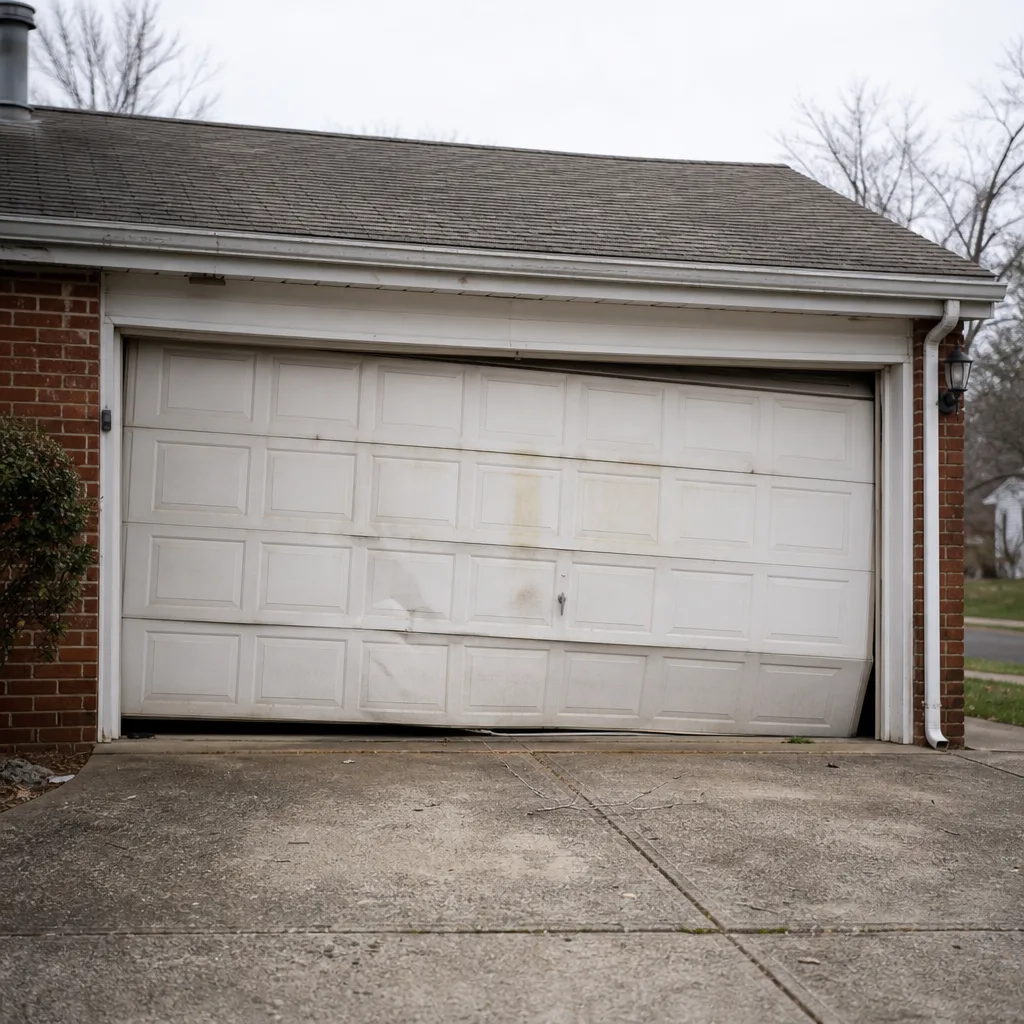 Before
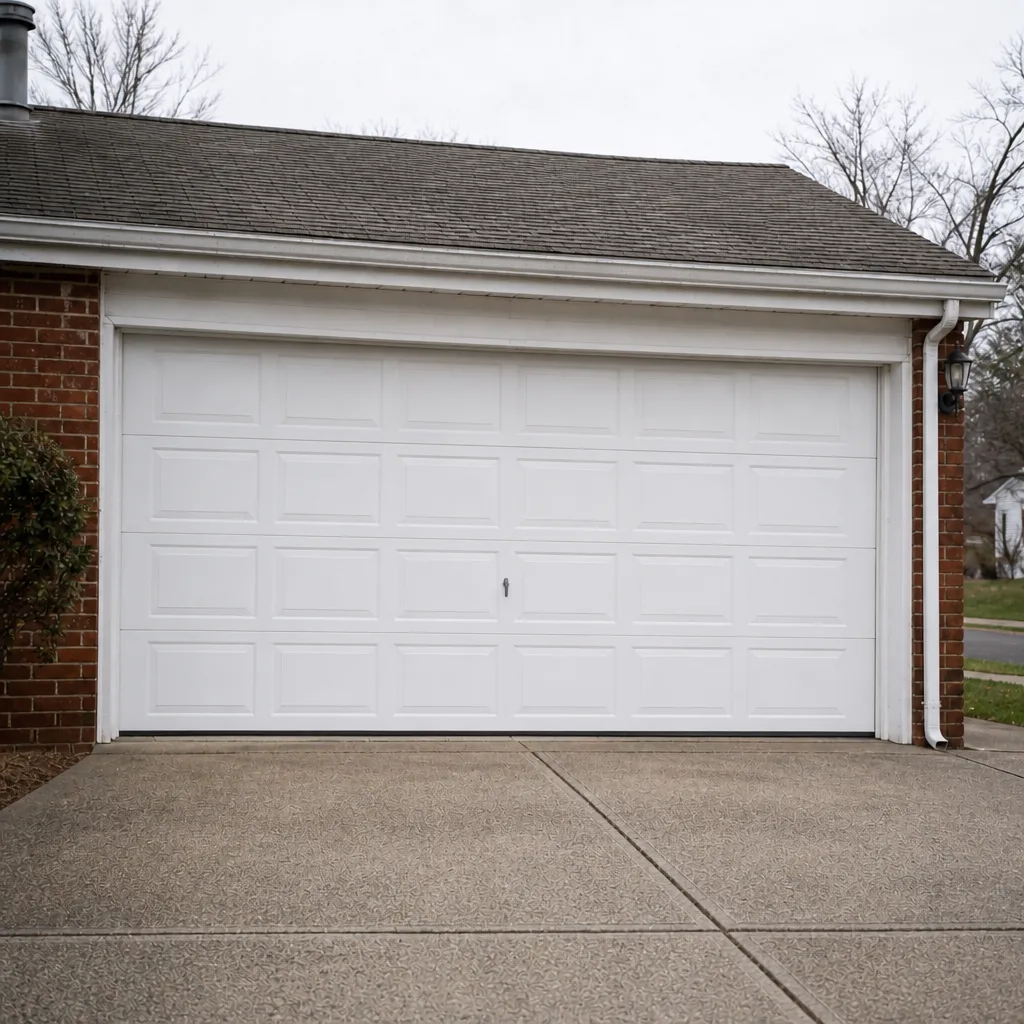 After
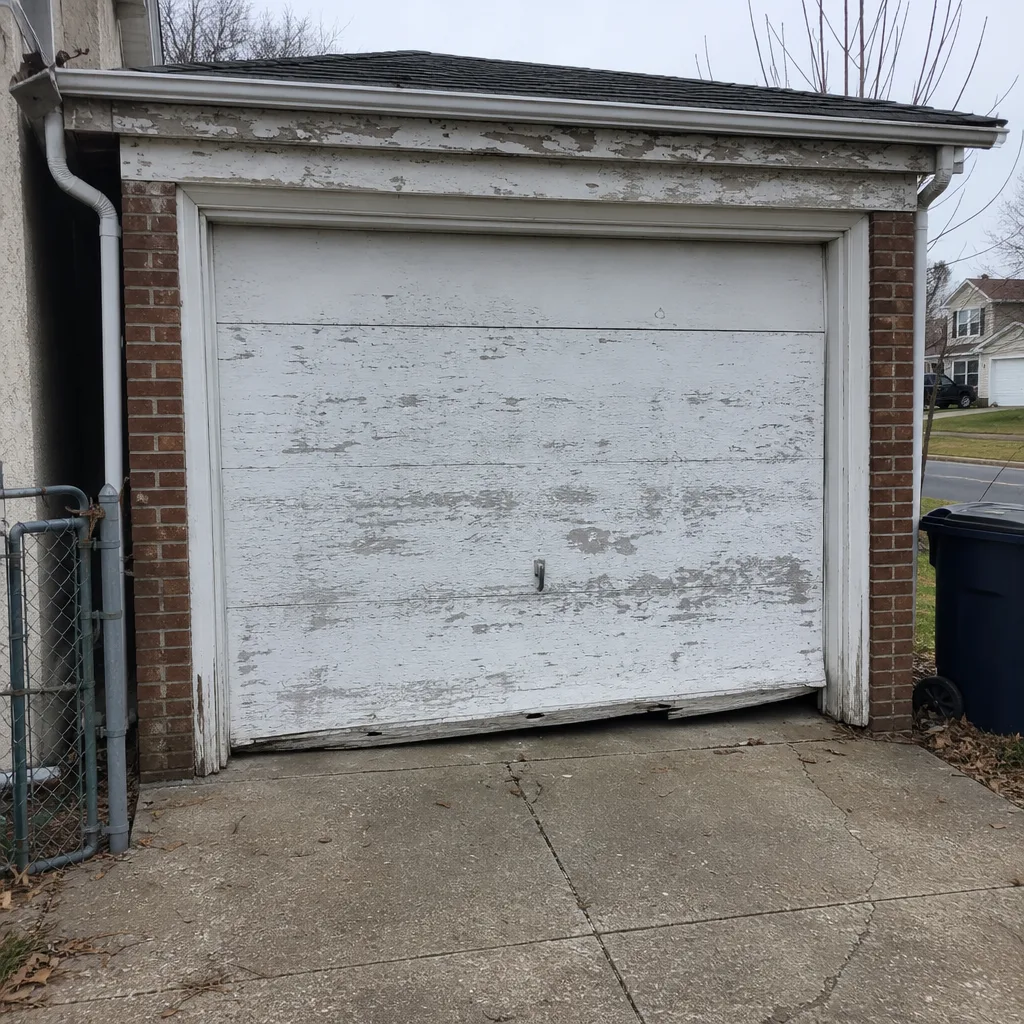 Before
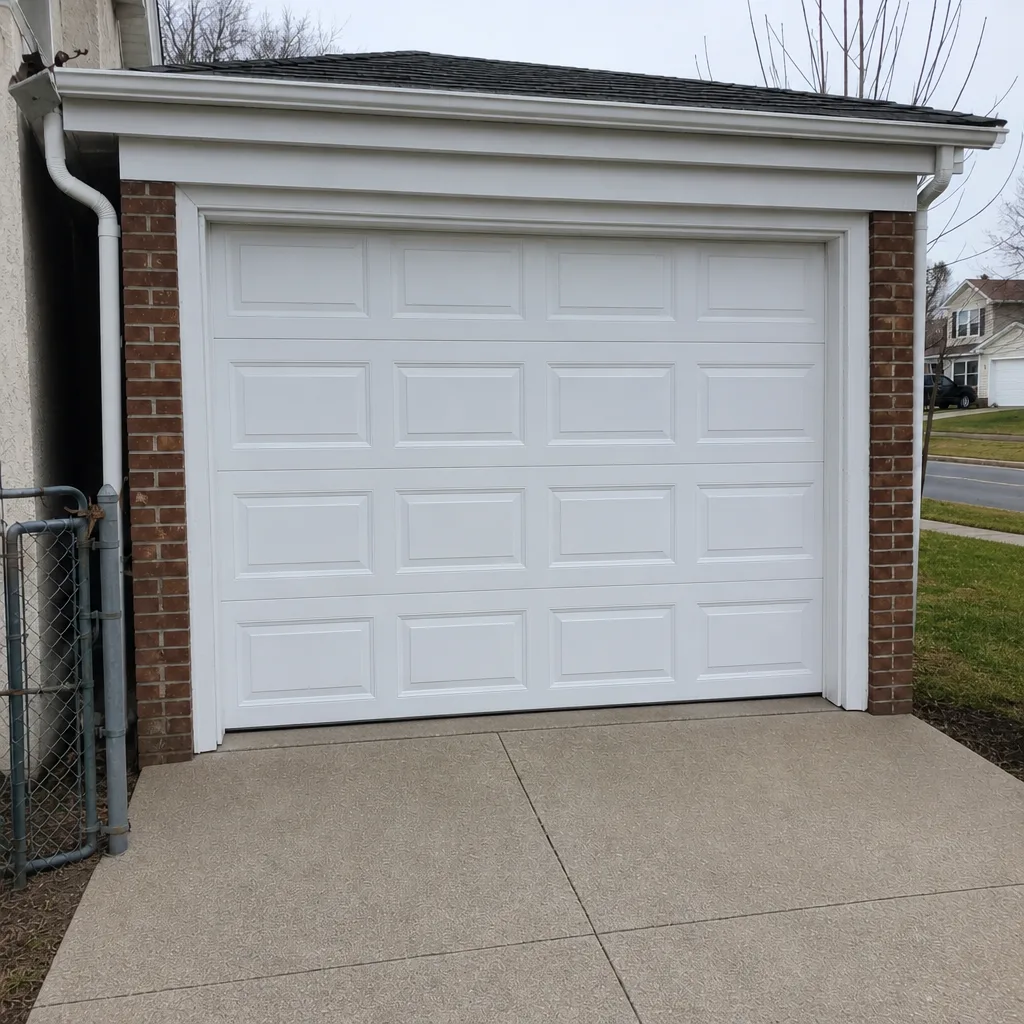 After
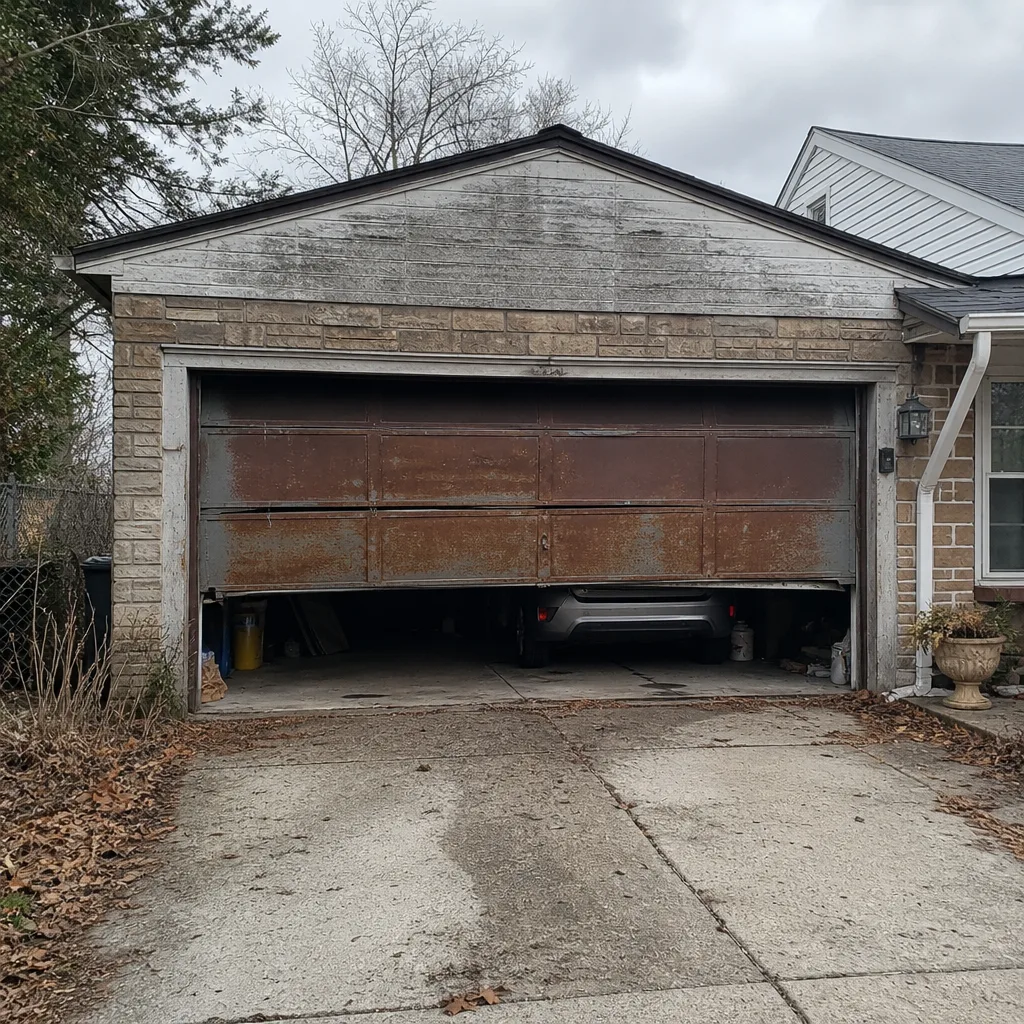 Before
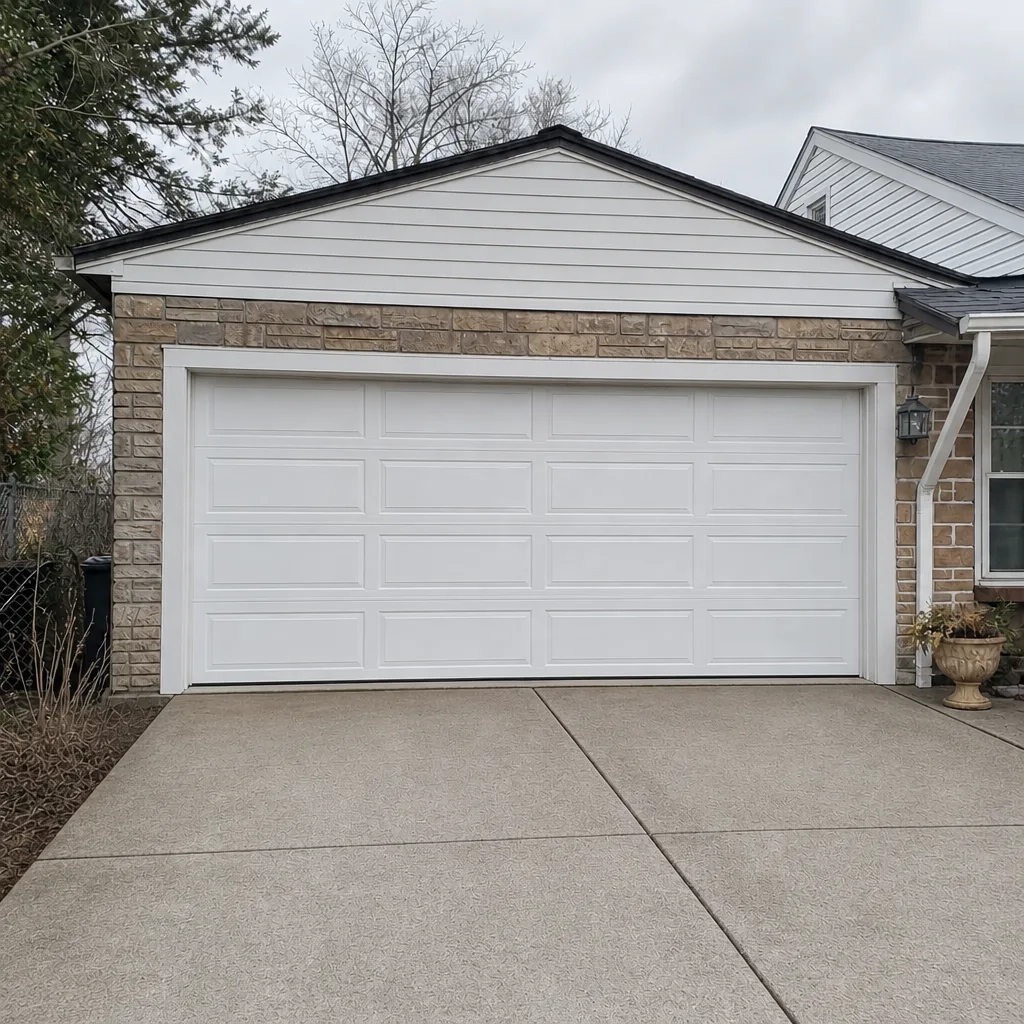 After