
Last updated November 21, 2026
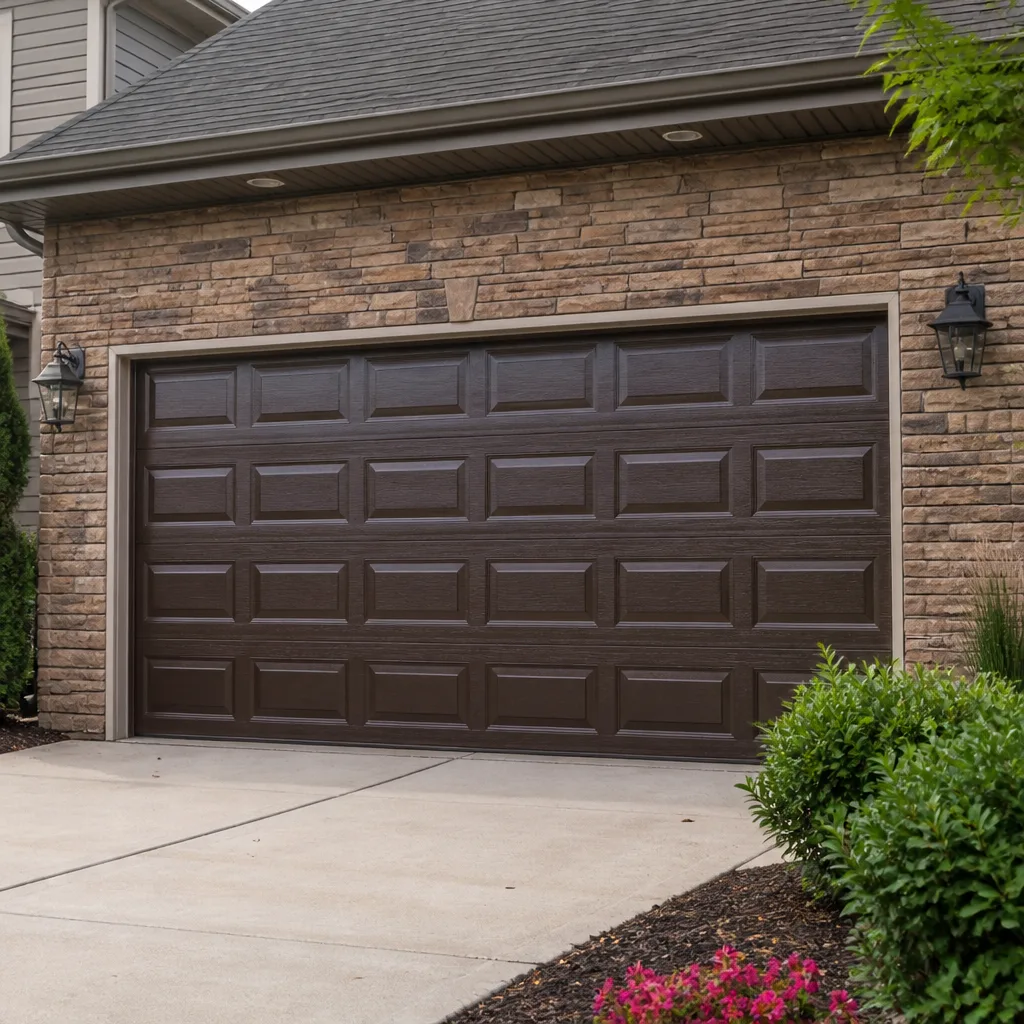 Raised-panel steel
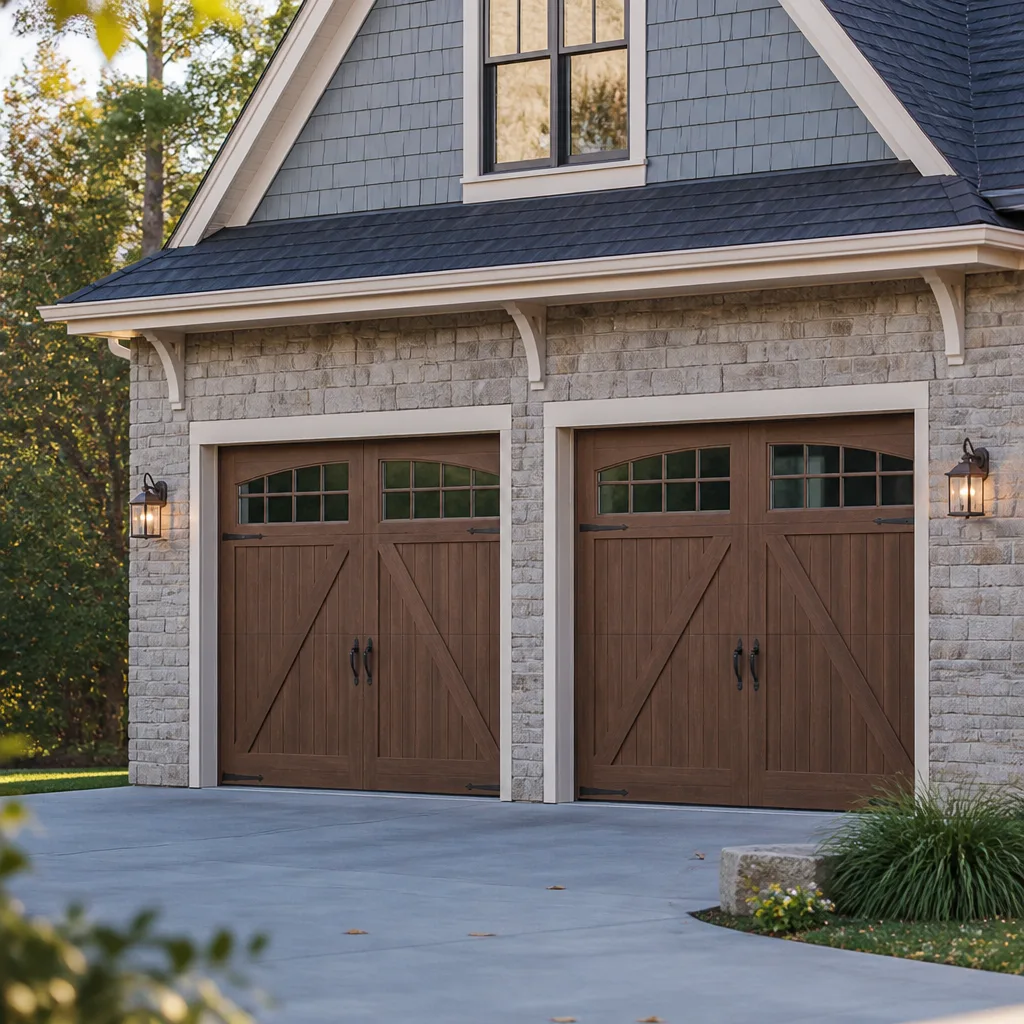 Carriage house
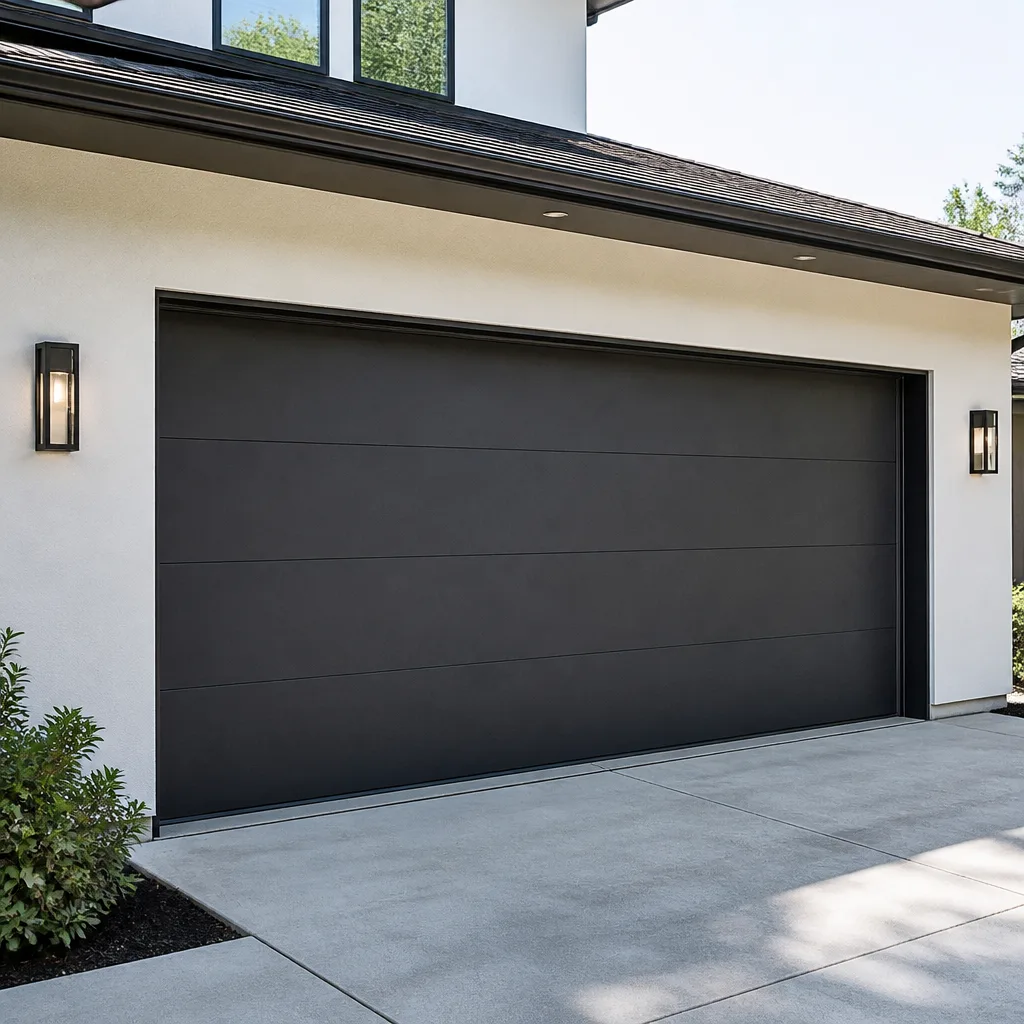 Modern flush
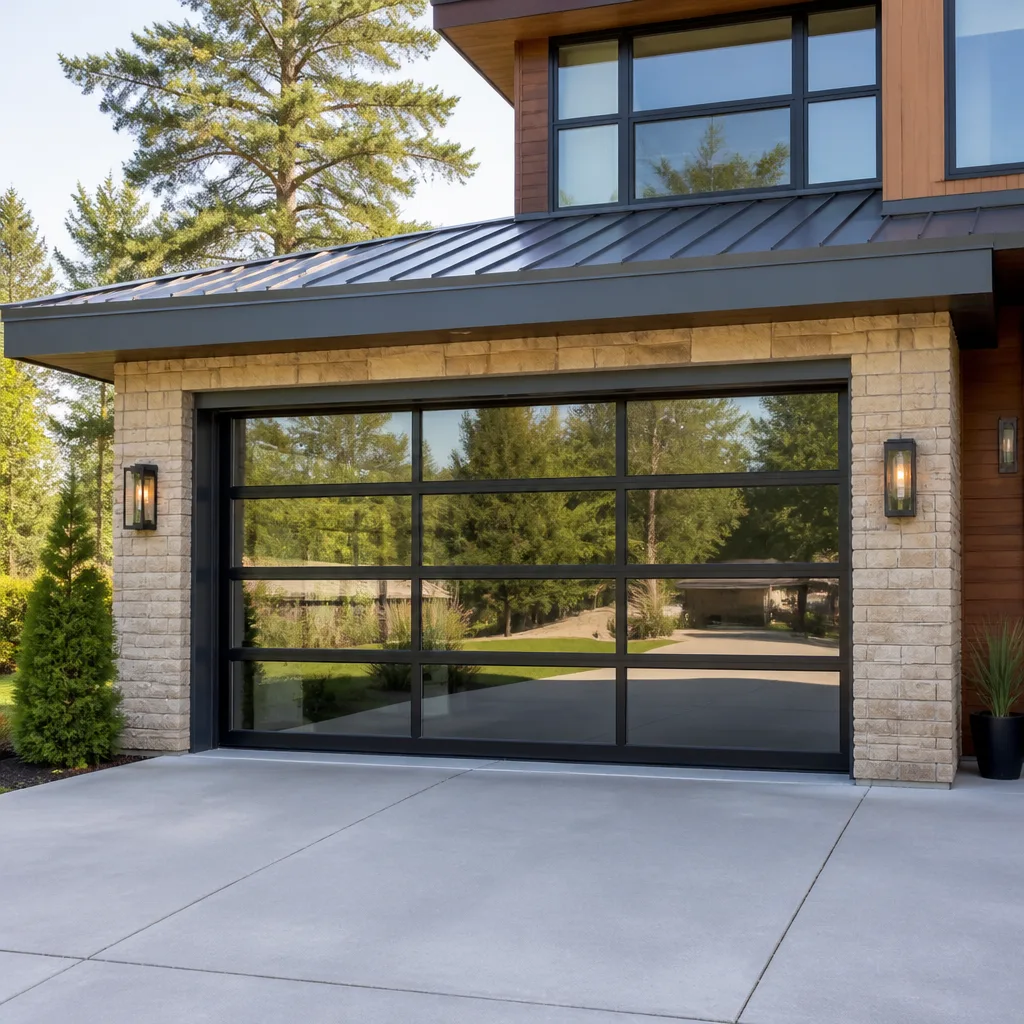 Full-view glass
 LiftMaster openers
 Chamberlain openers
Full 25-point door and opener safety check with every visit - springs, cables, rollers, tracks, and your LiftMaster or Chamberlain opener included
You get a price before we start. It does not change when the pro arrives.
Get your free estimateGarage Door Permits, Codes & Inspections in Bustleton, PA: What You Need to Know
Here’s the part most contractors skip on the walkthrough: a like-for-like garage door swap usually doesn’t need a permit in Pennsylvania, but changing the opening size, adding a new motor circuit, or touching the structural header does. That line is invisible to most homeowners until a sale, a claim, or an inspection puts it under a spotlight. In Bustleton, where much of the housing stock is older and garage openings have often been modified at least once, that line gets crossed quietly and nobody says a word. This guide walks you through the Philadelphia Department of Licenses and Inspections triggers, what the Pennsylvania Uniform Construction Code actually requires for residential door work, and what to do when you inherit someone else’s unpermitted job. You’ll leave knowing when to pull a permit, when you don’t, and what to ask before anyone swings a hammer.
Quick Answer
A straight replacement of an existing garage door with the same size and style in Bustleton typically doesn’t require a permit in Pennsylvania. You cross into permit territory when the project alters the opening dimensions, modifies or replaces the structural header above the opening, installs a new dedicated electrical circuit for an opener, or changes the framing. Small electrical work tied to an existing circuit is usually exempt, but any structural change to the garage opening should go through Philadelphia’s Department of Licenses and Inspections before work starts. When in doubt, call the city’s building department and ask; it’s a five-minute call that saves a week of headaches later.
Styles & brands we work with
- Raised-panel steel
- Carriage house
- Modern flush
- Full-view glass
- LiftMaster openers
- Chamberlain openers
Table of Contents
- When Does a Garage Door Job Need a Permit in Bustleton?
- What Pennsylvania’s Uniform Construction Code Requires for Garage Doors
- What Inspectors Actually Check on a Garage Door Installation
- How Unpermitted Work Affects Your Homeowner’s Insurance
- What to Do If You Inherited Unpermitted Work
- Contractor vs. Homeowner: Who Pulls the Permit in Pennsylvania?
- Safety Codes You Should Never Skip: Springs, Openers, and Auto-Reverse
- Recordkeeping, Resale, and Keeping Your Paperwork Straight
When Does a Garage Door Job Need a Permit in Bustleton?
The simplest way to think about it: cosmetic replacement usually doesn’t need a permit, structural alteration usually does. Philadelphia’s Department of Licenses and Inspections draws the line around what changes the building envelope, the structure, or the electrical system in a meaningful way. A same-size door swap that reuses the existing tracks and opener on the same circuit stays on the “no permit” side. The moment you enlarge or shrink the opening, replace or modify the header, or run new wire to a new circuit, you’re on the other side.
Here’s the practical breakdown of what typically does and doesn’t trigger a permit in Bustleton and the rest of Philadelphia County:
- Usually no permit: like-for-like door replacement, panel replacement, torsion or extension spring replacement, roller and hinge swaps, opener replacement on the same existing circuit.
- Usually needs a permit: enlarging or reducing the rough opening, replacing or modifying the structural header above the door, altering the framing around the opening, adding a dedicated new electrical circuit for an opener, converting a manual door to an automatic one where no opener circuit exists.
- Grey area, ask first: switching a single door to a double door at the same opening span is one thing; widening the span is another entirely. A structural engineer’s letter may be required depending on what the header is doing.
In our experience across Bustleton, door replacements in single-family homes rarely need permits. It’s the renovation jobs that get tricky: families converting a one-car garage to a two-car setup, adding a bay, or upgrading a legacy wooden door to a heavier steel model where the header loads changed. That last one is easy to overlook because it feels like a straight swap. It isn’t, if the new door weighs significantly more. If you’re planning anything in this category, start with a call to L&I before you sign a proposal.
What Pennsylvania’s Uniform Construction Code Requires for Garage Doors
Pennsylvania’s Uniform Construction Code, commonly called the UCC, is the statewide building code that governs residential construction across the commonwealth. Philadelphia enforces the UCC through the Department of Licenses and Inspections, with some local amendments layered on top. For residential garage doors, the UCC covers three main areas: structural attachment and loading, garage door safety features, and the electrical work connected to the opener.
On the structural side, the UCC expects the door to be attached to framing that can carry the load. Springs, tracks, and the opener rail all transfer force into the building, and if the header is undersized or the jambs are soft from years of water intrusion, the install fails inspection and, more importantly, fails in use. Bustleton’s older homes are a mixed bag here: some have solid 2×10 headers, others have been opened up over the years by previous owners and reinforced with whatever was on hand. An inspector will look at the framing.
On the safety side, the UCC requires automatic garage door openers to include an entrapment protection system. In practice that means the auto-reverse feature that senses an obstruction and sends the door back up, plus the photoelectric eye system most modern openers use. If your existing unit is a legacy mechanical model without those features, replacing it isn’t just an upgrade; it’s often what brings the system into compliance.
On the electrical side, the UCC defers to the National Electrical Code for wiring methods. Any new dedicated circuit for the opener needs to be installed by a licensed electrician and inspected. An opener swapped onto an existing circuit is usually treated as a minor appliance replacement and doesn’t re-trigger electrical inspection. If you’re not sure which side your job falls on, ask the city’s building department. We work with Raynor and LiftMaster systems regularly and can explain the electrical side of any install clearly, but the code call is the inspector’s to make.
What Inspectors Actually Check on a Garage Door Installation
When a garage door install does go through permitting, the inspection itself is usually shorter than homeowners expect. An inspector isn’t going to stand there and cycle the door a hundred times. What they look at is whether the structure and the safety systems match what was permitted. Here’s what they tend to focus on, in the order they usually check:
- Header and framing: Is the header sized correctly for the span, and does the attachment match what’s on the approved plan? Any structural modification needs to be visible and documented.
- Door attachment: Are the tracks and spring anchor brackets fastened securely to the structure, with the correct hardware, into solid framing rather than drywall or a thin skin?
- Auto-reverse and photoelectric eyes: Does the door reverse when it meets an obstruction, and do the eyes trip correctly when the beam is broken?
- Electrical: Is the opener circuit installed per the permitted electrical scope, and does the wiring method match the plan?
- Clearances and labeling: Are required warning labels present on the door and near the spring assembly, and is the door able to open fully without hitting anything installed above?
In Bustleton the inspections we see most often hit snags on older framing, not on the door or opener itself. A header that sagged quietly over the last few winters, or tracks anchored into wood that’s been damp, will get flagged. That’s not the inspector being difficult; it’s the inspector catching a failure that would have happened anyway, usually at the worst possible time. A proper pre-installation walkthrough with a trained technician is what prevents that surprise, and it’s why we measure and inspect the opening before quoting rather than after. If your door has been giving warning signs, a Garage Door Repair Bustleton visit is a sensible first step before bigger plans.
How Unpermitted Work Affects Your Homeowner’s Insurance
This is the part of the conversation homeowners care about most, and the most misunderstood. Insurance policies generally cover sudden and accidental damage, and they generally require that structural features were built to code when installed. An unpermitted structural change to your garage opening doesn’t automatically void your policy. But it can complicate a claim when the adjuster asks how the damage started, and the answer is “the header gave way” or “the door came off the track after the storm.”
In our experience, the sequence usually plays out like this:
- Claim is filed. Storm damage, collision, or a door that fails and damages a car or a wall.
- Adjuster inspects. They document the damage. That’s when they notice the garage opening isn’t quite what the property records show.
- Coverage question gets raised. If the damage traces back to a structural change that was never permitted, the insurer may reduce or dispute the payout, or investigate whether the outcome they’re being asked to cover was caused by a known non-compliant condition.
- Payouts slow down or get cut. Even a reduction, not a denial, can cost more than the permit ever would have.
This isn’t a scare tactic. It’s the pattern that shows up every year in home sales, claims, and refinancing. If a door fails in a way that damages property, the question of whether the install was legal becomes a real one. Keeping your garage door documentation clean and complete isn’t just about the code; it’s about making sure the insurance you pay for actually pays when you need it.
What to Do If You Inherited Unpermitted Work
Bustleton has plenty of houses that changed hands more than once, and not every modification along the way was permitted. A previous owner widened an opening, added a bay, or put in a heavier steel door on a header that was never designed for it. You find out during a home inspection, a refinance, or after a failure. The question then is whether to go back through the permit process retroactively. Often the answer is yes, and it’s more straightforward than it sounds.
Here’s the typical process for getting an existing unpermitted garage door alteration legalized:
- Pull the property records. Philadelphia’s Department of Licenses and Inspections keeps permit history. Start there to see what’s on file and what’s missing.
- Get a condition survey. A licensed contractor or structural engineer reviews the current state of the opening, the header, and the framing, and documents what was done.
- File a retroactive permit application. This is the “as-built” version of a permit. You’re telling the city what exists and asking them to inspect it against the code.
- Make any corrections the inspector flags. Sometimes that’s a reinforcement. Sometimes it’s redoing a connection. Rarely is it a full rebuild.
- Request the final inspection and close the permit. Once signed off, the work is on record and no longer a liability in a sale or a claim.
When it’s worth pursuing: whenever you plan to sell, refinance, or file a claim. When it might not be: if the modification is so minor the city treats it as routine maintenance, or if the cost of legalizing exceeds the value it protects. That’s a judgment call and worth a conversation with a contractor who’s seen the process. We handle garage door repair on doors of every era and can help you figure out what’s actually on your opening before you call the city.
Contractor vs. Homeowner: Who Pulls the Permit in Pennsylvania?
In Pennsylvania, the permit is the homeowner’s obligation, but most contractors handle pulling it. The homeowner owns the property, so the permit technically belongs to them and the contractor is working on their behalf. In practice, whoever pulls the permit is on the hook for the work matching what was approved, and for the inspection showing up clean. When a contractor says “we’ll handle it,” that should mean more than a phone call. It should mean written confirmation of who’s pulling the permit, what’s on the application, and who owns the inspection.
Here’s what to make sure is in writing before any garage door job that requires a permit in Bustleton:
- The permit applicant’s name: Yours or the contractor’s, clearly named on the proposal.
- Scope of permitted work: The exact opening size, header spec, and electrical scope being applied for.
- Cost of the permit: Who is paying the fee, yours or the contractor’s, and whether it’s part of the quoted price.
- Inspection responsibility: Who schedules the inspection, and what happens if it fails.
- Post-inspection handoff: Who keeps the signed-off permit and the inspection report after the work is done.
A sentence like “We’ll handle it” is not a contract; it’s a shrug with better manners. If your contractor won’t specify in writing who’s pulling the permit, that’s a signal that the paperwork may not be happening at all, and that’s the surprise you find out about during the next home sale. Every proposal we work from states the scope and the price clearly, and the price is set by that written estimate before any work starts.
Safety Codes You Should Never Skip: Springs, Openers, and Auto-Reverse
The garage door code conversation tends to focus on paperwork, but the reason those codes exist is that garage door systems are among the most dangerous pieces of equipment in a home. A torsion spring under tension can do serious injury when a homeowner tries to adjust it with hand tools and no experience. An opener without an auto-reverse or photoelectric eye can trap a person or a pet. Those aren’t hypothetical risks; they’re the reason the UCC’s entrapment protection requirements are written into the code.
Three areas of safety deserve special emphasis:
- Springs: Torsion and extension springs are under enormous tension. Never attempt to remove, adjust, or replace one yourself. This is work for a trained technician with the proper winding bars and experience reading the door’s behavior under load. We treat spring work as a core specialty for exactly this reason.
- Openers and entrapment protection: Auto-reverse and photoelectric eye systems need to be tested regularly and working correctly. If your opener is a legacy unit without these features, replace it. Modern openers by LiftMaster, Chamberlain, or Genie all include these features as standard.
- Off-track and falling doors: A door that’s jumped its track can fall. Don’t stand under it, don’t try to force it back, and don’t run the opener. Stop and call a technician.
We work on the full range of systems out there, including older units where parts aren’t obvious, because we’re trained on brands like Raynor, LiftMaster, Chamberlain, and Genie. If your door or opener is in the danger zone, don’t wait for the schedule to empty. Our garage door opener repair team handles both smart-enabled systems and legacy mechanical units, and given the safety risk of an entrapment failure, this isn’t a job to run yourself.
Recordkeeping, Resale, and Keeping Your Paperwork Straight
The permit itself is only half the story. The paper trail behind it is what keeps the door a neutral topic during a home sale, a refinance, or an insurance claim. In Bustleton, where the housing stock is older and doors have been modified over multiple ownerships, a clean record tells a buyer that the garage opening has been maintained and, where applicable, permitted. That’s not a selling feature in the glossy-listing sense, but it removes a liability from the transaction.
Here’s what to keep in a file for any garage door work on your home:
- The permit application and the stamped approved permit
- The final inspection report from the Department of Licenses and Inspections
- The original written estimate and the invoice for the completed work
- Photos of the finished install, especially of the header and the spring assembly
- Warranty paperwork for the door and the opener
- A note on who did the work, and the date the work was completed
If you didn’t get any of that from a previous install, ask. A reputable contractor will have copies. If they don’t, that’s a warning sign, and it’s worth getting a fresh walkthrough of the opening to confirm what’s actually there. When a door is being replaced, you should also ask for the manufacturer’s warranty documentation for the new door along with the install slip. If you’re planning garage door installation in the near future, sorting that paperwork up front is cheaper than sorting it out at closing.
Common Mistakes to Avoid
- Assuming all swaps don’t need permits. A like-for-like swap usually doesn’t, but a heavier door on the same header can turn an easy job into a structural question. Ask before signing.
- Trusting a verbal “we’ll handle it” on permitting. A contractor who won’t put the permit scope in writing is telling you what they’ll do with the paperwork, which is nothing.
- Skipping the city call when the scope is unclear. Philadelphia’s Department of Licenses and Inspections answers scope questions over the phone. Five minutes now beats five months of worry later.
- Letting a previous owner’s unpermitted work sit unaddressed. Fix it before you refinance or sell. The retroactive process is usually routine, but it’s not free, and it’s not something to discover the week of closing.
- Replacing an opener without checking the entrapment protection. If the old unit never had auto-reverse, the new one has to. That’s a safety code requirement, not an optional upgrade.
- Attempting spring work yourself to “save on the permit.” Springs and permits have nothing to do with each other. The spring job doesn’t need a permit and it should never be a DIY job.
- Not keeping the inspection paperwork. The final inspection report is the difference between clean title on the garage opening and a mystery that shows up during a sale.
See the difference
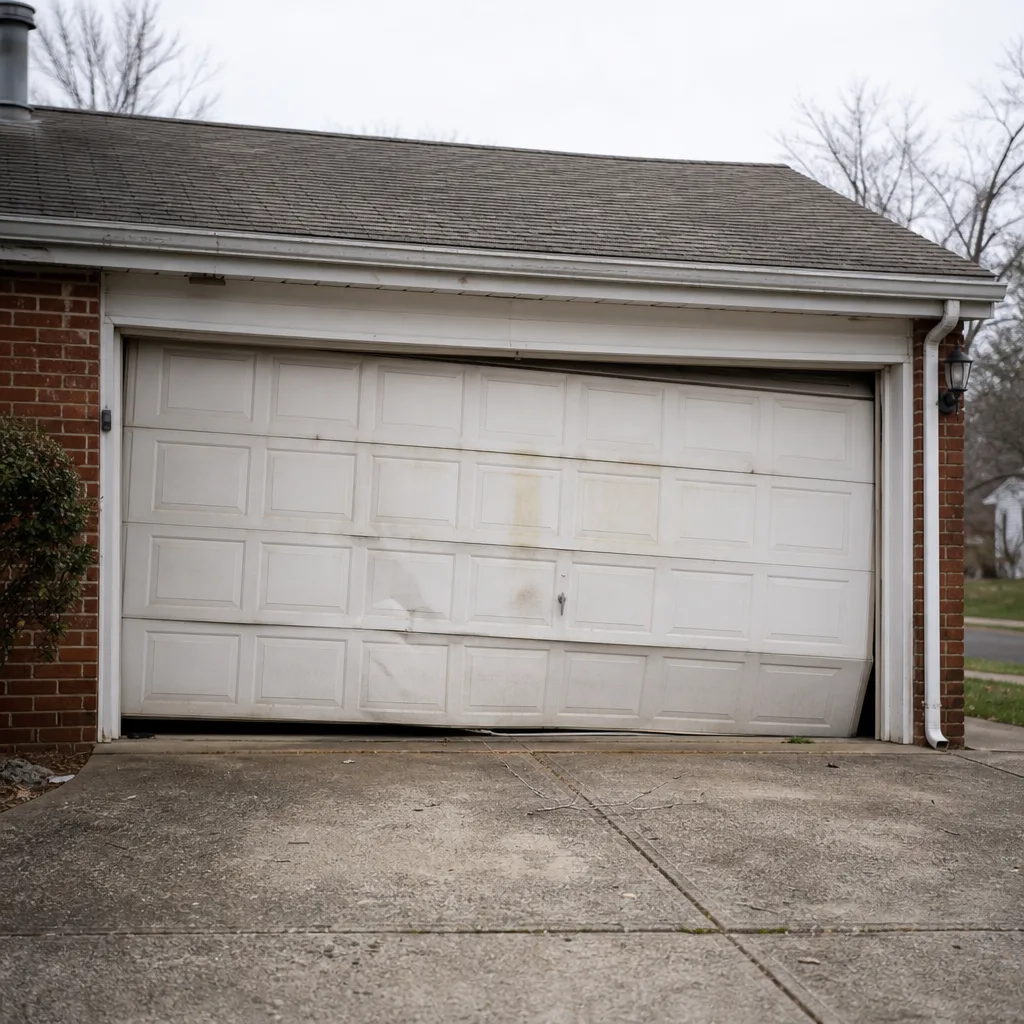 Before
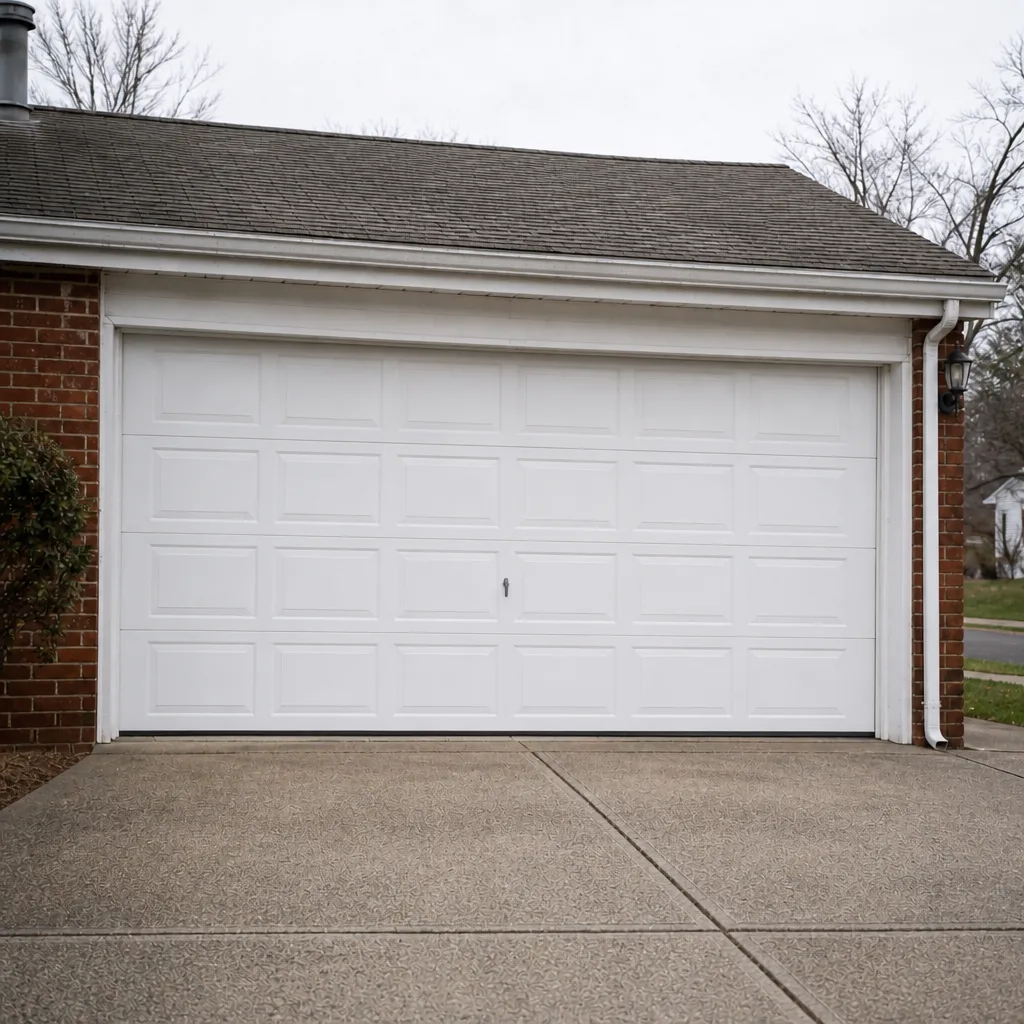 After
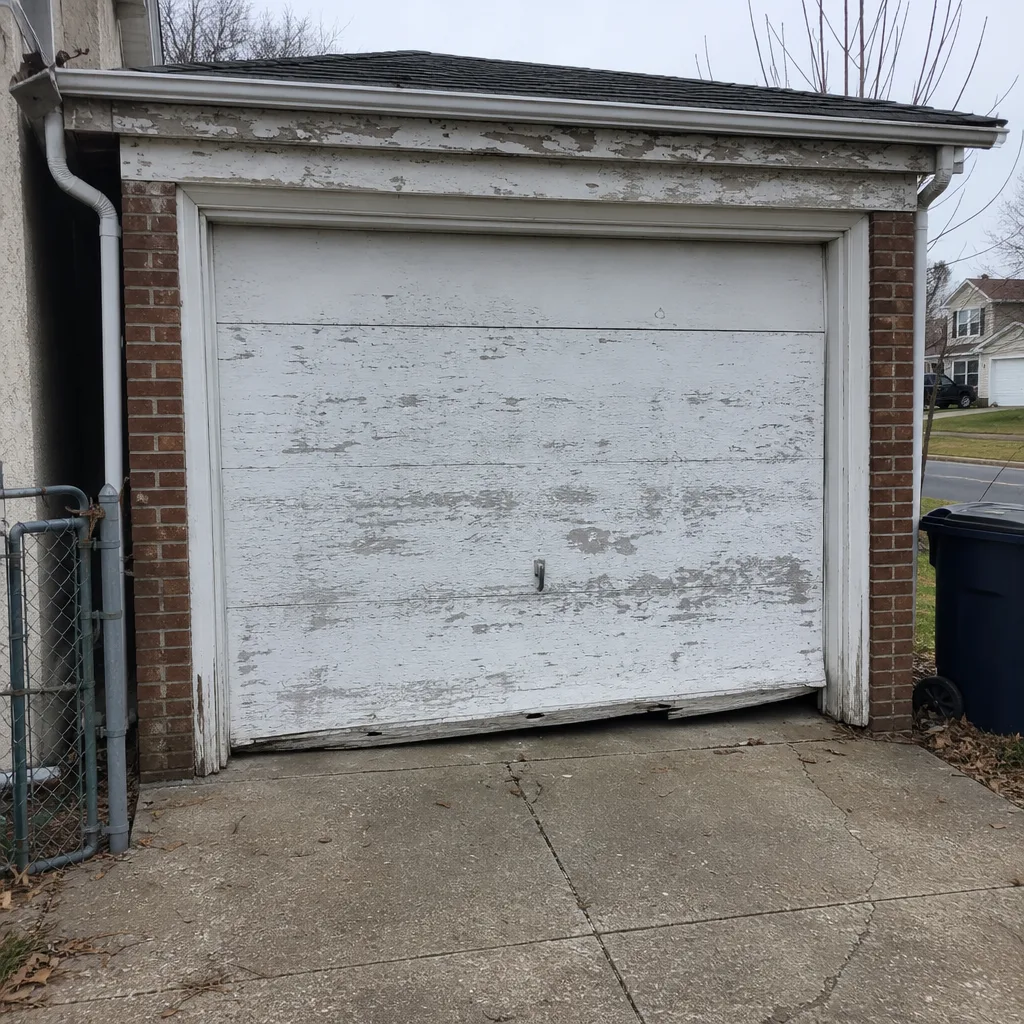 Before
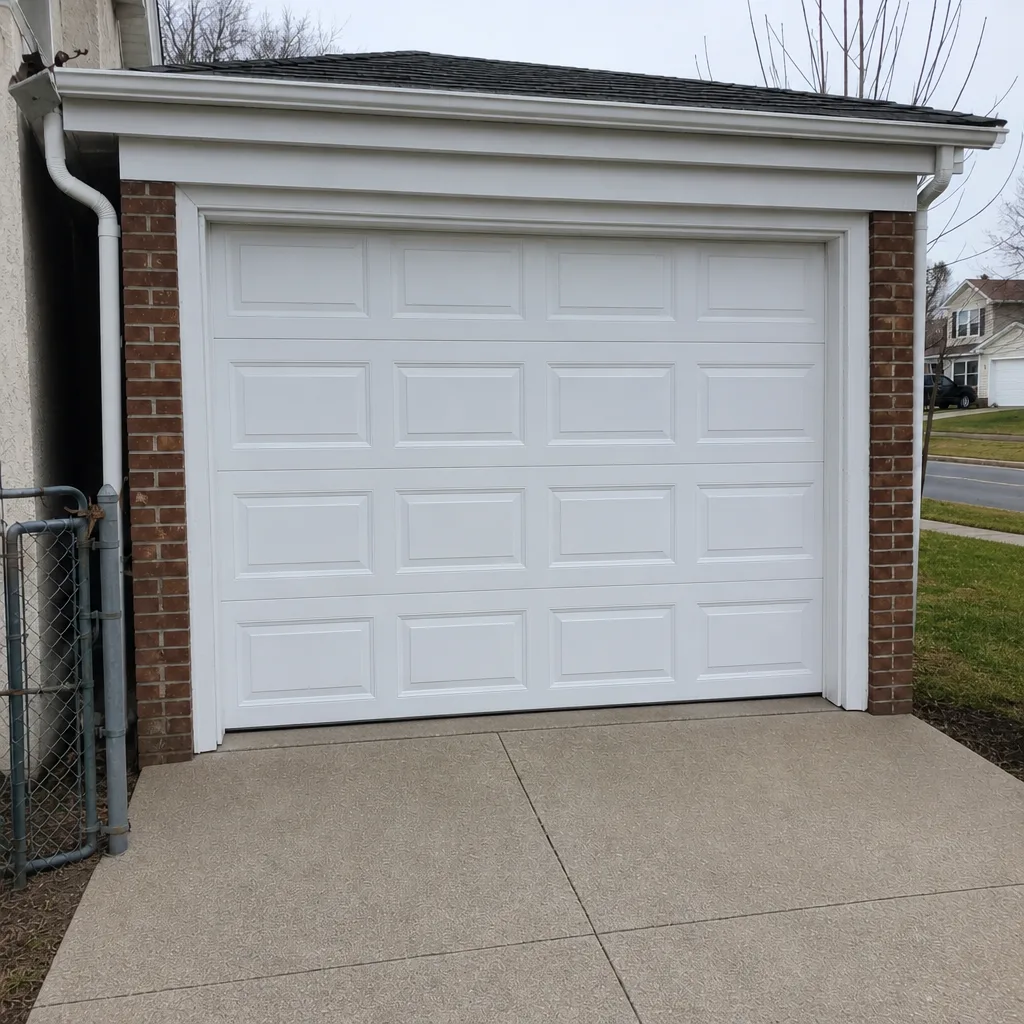 After
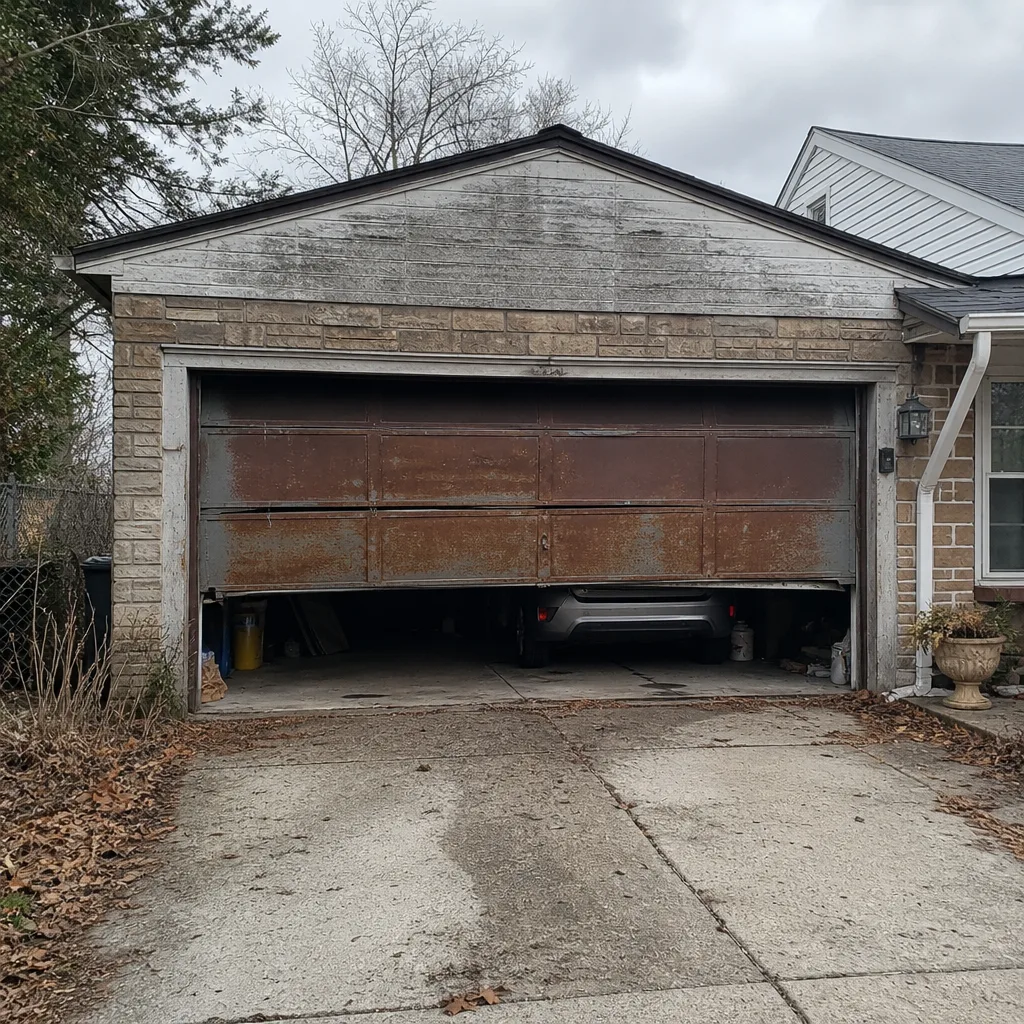 Before
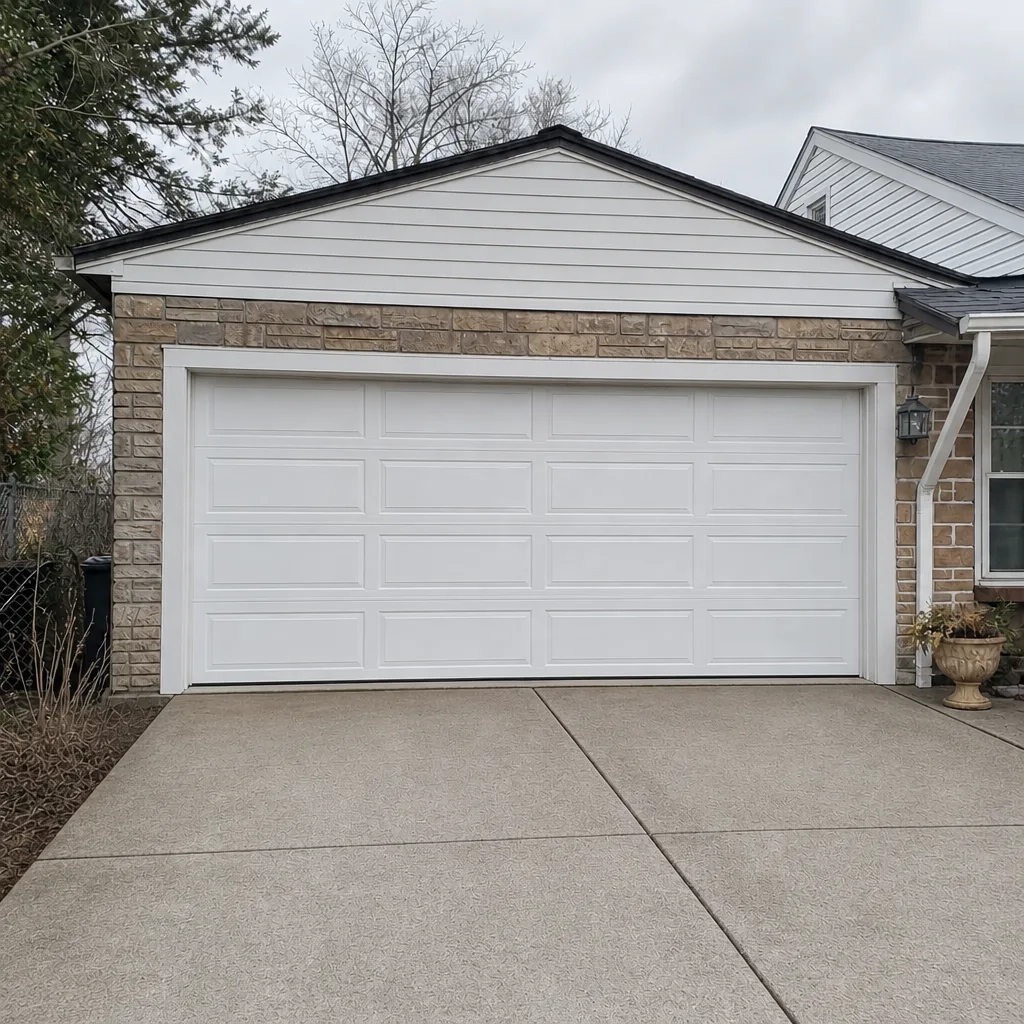 After
When to Call a Professional
Some things are a DIY conversation and some aren’t. If your door’s spring is under tension and you don’t have the tools or the experience, that’s not a conversation at all. If your opener has failed, your door is off-track, or the door hasn’t been serviced in years and is starting to sag, call someone who works on the specific brand and model. Same goes for any project that changes the opening size, the header, or the electrical circuit: that work needs a trained technician who understands what falls on the permit side and what doesn’t, and who can tell you clearly before the job starts.
Garage Door Repair Bustleton offers free estimates in Bustleton, and our technicians have up to 9 years of experience across the brands that dominate this area. Good estimates start with a real measure and a real look at your opening. Call (844) 940-3088. We answer 24/7. Fast dispatch from 7am to 7pm, Sunday through Friday.
Frequently Asked Questions
In most cases, no. A like-for-like replacement of an existing garage door with the same size and style doesn’t require a permit in Bustleton or the rest of Philadelphia County. You do need one when the project changes the opening dimensions, modifies or replaces the structural header, or installs a new dedicated electrical circuit. Call Philadelphia’s Department of Licenses and Inspections to confirm your specific scope. For an exact quote on the door work itself, call (844) 940-3088. Estimates are free.
A permit is the city’s permission to do the work under a specific scope; an inspection is the city’s confirmation afterward that the work matches what was approved. You pull the permit before the work starts, and you request the inspection when it’s done. The final inspection report is what closes out the permit and gives you documentation you can show at resale, refinancing, or in an insurance claim. If your contractor can’t explain which of those steps they’re handling, ask them to put it in writing.
It can complicate a claim, and in some cases reduce or dispute a payout if the damage traces back to a structural change that was never permitted. Insurance generally requires that structural features were built to code when installed. The safest approach is to get the work permitted up front when the scope calls for it, and to get retroactive permitting on any inherited unpermitted work before you file a claim that might touch the garage opening. If you’ve inherited unpermitted work and want to know what’s on your opening, call (844) 940-3088 for a free evaluation. Estimates are free.
Inspectors typically look at the header and framing for correct sizing and attachment, the door’s track and spring anchor brackets for solid fastener into solid framing, the auto-reverse and photoelectric eye systems for proper entrapment protection, the electrical scope if a new circuit was permitted, and the presence of required warning labels. Older Bustleton homes tend to fail inspection on framing, not on the door itself, because headers can sag or get modified over decades. A pre-installation walkthrough with a trained technician is what prevents that surprise.
Yes. Philadelphia’s Department of Licenses and Inspections handles retroactive or “as-built” permits for existing unpermitted work. The process usually involves pulling property records, getting a condition survey from a licensed contractor or structural engineer, filing the application, making any corrections the inspector flags, and closing the permit after a final inspection. It’s worth pursuing before a sale, refinance, or claim. If you’re unsure what’s on your opening, our garage door repair team can help you figure it out.
We’re closed on Saturdays, but the phone is answered continuously. We answer 24/7. A call outside dispatch hours is booked into the next opening, Sunday through Friday, 7am to 7pm. If a spring has snapped, a door is off-track, or an opener has failed and the door won’t close, get everyone clear of the door and don’t try to force it or run the opener. Call (844) 940-3088 and we’ll get you scheduled. Estimates are free.
The Bottom Line
Most garage door replacements in Bustleton don’t need a permit. The ones that do are the ones that change the opening size, the structural header, or the electrical circuit, and those are exactly the ones where an unpermitted install can come back to bite you at resale or in a claim. If you inherited unpermitted work, retroactive permitting is doable and worth doing before you need it. If you’re planning a job that touches the structure, ask the contractor to put the permit scope in writing before they start, and call the city’s building department yourself if anything’s unclear. The price should be set by the written estimate before any work starts, no matter what’s being done. For a free evaluation of your door, opener, or opening, call Garage Door Repair Bustleton at (844) 940-3088. We answer 24/7. Fast dispatch from 7am to 7pm, Sunday through Friday.
Written by the team at Garage Door Repair Bustleton.